

Himachal Wins Long-Running BBMB Arrears Battle; Supreme Court Ruling Could Unlock ₹5,000 Crore in 20 Years
Judgment on 15-year-old dispute over BBMB power dues opens prospect of sustained revenue for state; actual financial gains will depend on implementation by Punjab and Haryana
Shimla: Himachal Pradesh has won a major legal battle over its long-pending share of electricity dues from the Bhakra Beas Management Board (BBMB), with the Supreme Court delivering a verdict that could turn into a substantial revenue source for the financially stressed hill state.
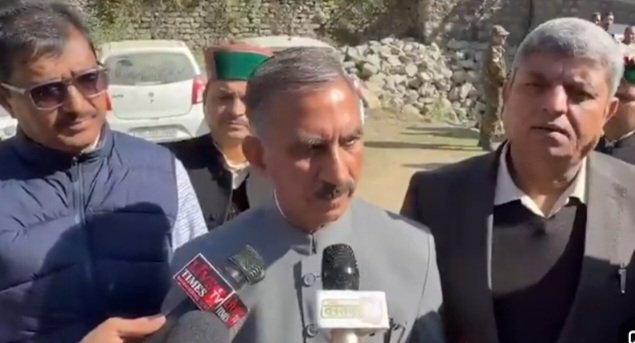
The ruling concerns arrears that have remained under dispute for nearly 15 years. Chief Minister Sukhvinder Singh Sukhu announced the development, describing it as the fourth major victory for Himachal Pradesh in the state's fight for its rightful dues during his nearly four years in office.
However, the financial implications will depend on the implementation of the Supreme Court's directions, particularly by the Punjab and Haryana governments and the concerned BBMB authorities.
The Supreme Court's order directs Punjab and Haryana to supply 11,973 million units (MU) of electricity over 20 years, at an average of approximately 598.65 MU annually, during the lean season from October to March. The settlement implements Himachal's 7.19 per cent entitlement recognised in the 2011 judgment. Live Law +2
The original entitlement was calculated at 13,066 MU. An adjustment of ₹420.77 crore towards historical capital costs has brought the net electricity entitlement down to 11,973 MU. Live Law +1
The settlement provides for an annual supply of approximately 59.86 crore units. At an assumed average realisation of ₹6 per unit, this translates into around ₹359 crore annually. At higher rates secured through inter-state power sale agreements, the potential revenue could rise substantially.
Chief Minister Sukhu, while congratulating the 7.5 million people of Himachal Pradesh, said the state could earn approximately ₹500 crore annually at the prevailing rate and potentially around ₹1,000 crore if electricity is sold at rates comparable to those secured from other states.
He cited power sale rates of ₹15.50 per unit in Rajasthan, ₹14.50 in Kerala and ₹13.50 in Tamil Nadu. If comparable rates are achieved for the additional electricity, the settlement could become a major source of revenue for the state. These are projected earnings, however, and actual receipts will depend on the quantity received, sale arrangements and prevailing electricity prices.
For a state struggling with mounting financial obligations, the verdict offers an opportunity to convert a long-pending legal entitlement into a recurring revenue stream. Unlike a one-time financial settlement, the electricity will be supplied over two decades, giving Himachal an opportunity to plan its power sales and budgetary receipts over a longer period.
Sukhu credited the victory to the people of Himachal Pradesh, his Cabinet colleagues, government officials and the team of legal experts who pursued the case. He described it as the fourth major victory in the state's fight for its rightful dues in nearly four years of his government.
The Chief Minister, however, made it clear that the government's legal battle over the state's resource rights was far from over. Himachal Pradesh would continue its fight for control of the Shanan Power Project and engage some of the country's leading lawyers to pursue the matter. The state would also vigorously pursue its case concerning the water cess.
The immediate challenge now is to ensure that Punjab and Haryana implement the Supreme Court's binding directions and that the electricity arrears begin reaching Himachal according to the prescribed schedule. The financial value of the verdict will ultimately be determined not merely by the judicial recognition of the state's entitlement but by its timely execution and the government's ability to monetise the additional power.
#HimachalPradesh #BBMB #SupremeCourt #SukhvinderSinghSukhu