
What Lessons Himachal's Myopic Tourism Department should learn from Centre's Light House Tourism Mission?
Shimla/New Delhi, January 11
The recent Indian Lighthouse Festival 3.0 in Visakhapatnam has proved how smart planning can turn heritage into profitable tourism.
During inauguration Union Minister Sarbananda Sonowal said the festival made the city a torch bearer of India’s maritime culture.
But while the Centre moves ahead, Himachal’s tourism department continues to sleep.
Across the country, 75 lighthouses in 10 states have already been developed as tourist hubs. More than 16 lakh tourists visited them last year, creating jobs and boosting local businesses. Homestays, cafés and craft shops are thriving because of this vision.
The government now plans to develop 25 more lighthouses and is even building them along inland waterways like the Brahmaputra river. This clearly shows that lighthouse tourism is not just for coastal areas anymore. The model is flexible and can work anywhere.
But in Himachal, the story is the opposite. No planning, no roadmap and no proposals have been prepared by the tourism department. Despite having beautiful water bodies like Gobind Sagar, Pong Dam and Renuka Ji, officials have done absolutely nothing.
These reservoirs can easily be turned into tourism hotspots. Light towers, night shows, museums and water sports can change the local economy. But the department has shown zero interest in innovation.From Lighthouse Tourism to “Water Beacon” Tourism in Hill States
While lighthouse tourism is meant for coastal areas, the same idea can be smartly adapted for hill states like Himachal Pradesh by developing major water bodies as tourism beacons.
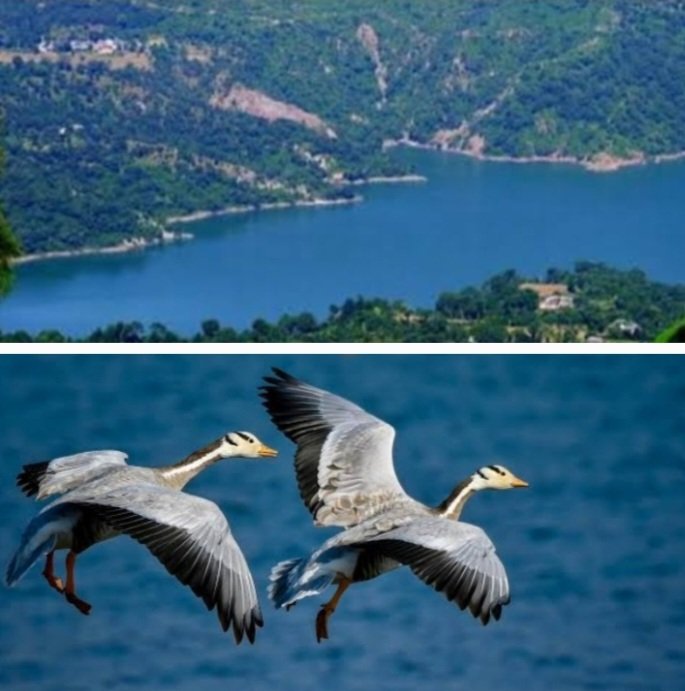
Himachal has huge reservoirs and natural lakes like Gobind Sagar (Bilaspur), Pong Dam (Kangra), Renuka Ji (Sirmaur), Chamera, Kol Dam and Pandoh.
These sites can be developed on the lighthouse model – not with towers, but with viewpoints, heritage interpretation centres, floating cafes, boating hubs and eco-trails.
Just like tourists climb lighthouses to enjoy sea views, visitors here can access skywalks, watch towers and glass decks overlooking reservoirs and lakes. These “water beacons” can become iconic landmarks of hill tourism.
How Hill States Can Develop This Model
• View Towers & Decks – Build scenic towers for sunrise-sunset views
• Water Museums – Show dam history, hydropower projects & local culture
• Boating & Kayaking Zones – Controlled eco-adventure activities
• Floating Cafes & Homestays – Promote local cuisine and livelihoods
• Bird Watching & Nature Trails – Especially at Pong Dam wetland
• Night Illumination – Soft lighting to boost evening tourism
Its Benefits are many: New tourism economy beyond hotels. Jobs for local youth. Promotes lesser-known destinations, Encourages eco-tourists, Reduces pressure on overcrowded hill stations.
In simple words, just like coastal states are using lighthouses to attract tourists, hill states can use dams, lakes and reservoirs as tourism icons.
These water bodies can become the new face of sustainable tourism in the Himalayas.
But HP tourism officials are busy protecting their chairs instead of working for the state.
Insiders say the department is infested with corruption and non-performers. Files don’t move unless pushed by political pressure.
Other states are racing ahead. Andhra Pradesh is building lighthouse museums and drawing crowds in big numbers. Himachal, meanwhile, remains stuck with old ideas and tired excuses.
Tourism experts say lake-side development can generate thousands of jobs. But this needs vision, courage and honest leadership. Himachal’s tourism bosses have none of these.
The Centre is offering funds. The success model is ready. Results are visible across India. Yet Himachal remains blind and deaf.
While lighthouse tourism shines across the country, Himachal’s tourism department continues to sink into bankruptcy — of ideas, intent and integrity, laments hoteliers and tourism promoters.