

HIGH-ALTITUDE HEADBUTT: LG SAXENA AND SONAM WANGCHUK OPEN A NEW FRONT OVER LADAKH'S DEVELOPMENT VISION
LEH / NEW DELHI/SHIMLA — A fresh political and ideological confrontation has gripped the strategically sensitive Union Territory of Ladakh. It has pit Lieutenant Governor V.K. Saxena directly against climate activist and innovator Sonam Wangchuk.
The high-stakes tussle is fueled by sharp disagreements over regional infrastructure, environmental management, and administrative governance, each taking potshot at each other.
It has opened an intense new front in the cold desert's volatile political landscape even as region is heading to a harsh winter.
The Spark: National Showcases and Conclave Clashes
The friction rose sharply following national-level events where Ladakh's developmental strides took center stage.
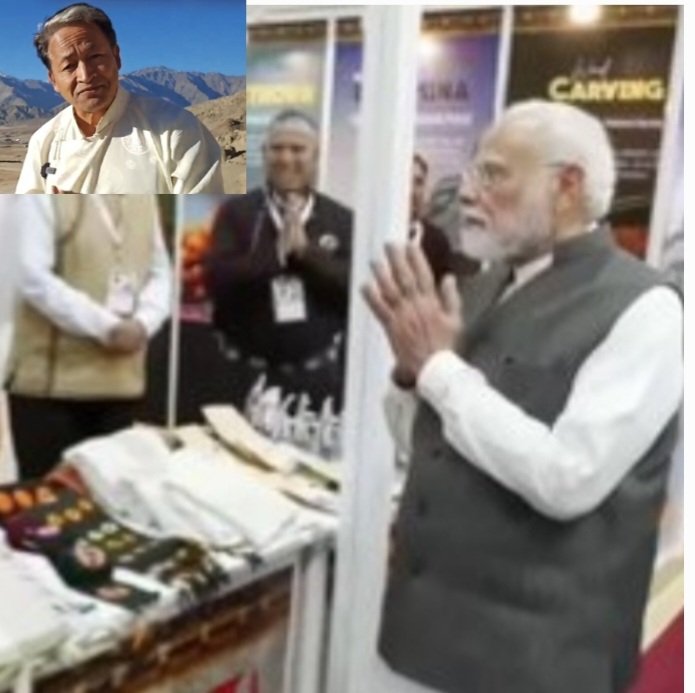
The administration heavily promoted UT Ladakh’s exquisite indigenous products, traditional handicrafts, and handloom creations at Bharat Parv organized at Ekta Nagar in Gujarat.
Highlighting the exhibition, the LG's administration championed these initiatives as vital for the region, extending profound gratitude to Prime Minister Narendra Modi for visiting the Ladakh Pavilion and providing invaluable support for #BrandLadakh—notably showcasing GI-tagged Pashmina, apricot products, sea buckthorn, and Thangka paintings as a massive boost to local artisans and entrepreneurs.
However, the cooperative narrative quickly fractured. During a subsequent appearance at the India Today Conclave, Lieutenant Governor V.K. Saxena went public with sharp critical remarks, openly questioning Sonam Wangchuk’s contributions to education and ecological development in Ladakh.
Stung by the critique fuelled by his alleged surveillance at behest of LG, Wangchuk fired back on social media, triggering a fierce war of words over who holds the legitimate authority to dictate development models for the high-altitude Himalayan terrain.
Allegations of a Vilification Campaign and Harassment
The ideological battle has since spilled aggressively into the administrative domain. Supporters and associates of Wangchuk have accused the LG administration of deploying a calculated response, launching a systemic vilification campaign against him and his institutions.
Matters came to a head when authorities served administrative notices targeting Wangchuk’s educational initiatives—including the Desert Flower School—which his camp has decried as a direct political witch-hunt and systemic harassment designed to stifle civil dissent.
This local friction builds upon a turbulent backdrop that Wangchuk has charted over the years. It includes past high-profile detentions under the NSA, subsequent releases to foster dialogue, and multi-week fasts and Leh Delhi March or capital-city protests at Jantar Mantar centered on governance and institutional accountability including his demands for 6th schedule..
While Union Ministers have stepped in historically to cool tensions, the ripple effects continue to polarize the cold desert.
Bureaucratic Pace vs. Indigenous Wisdom
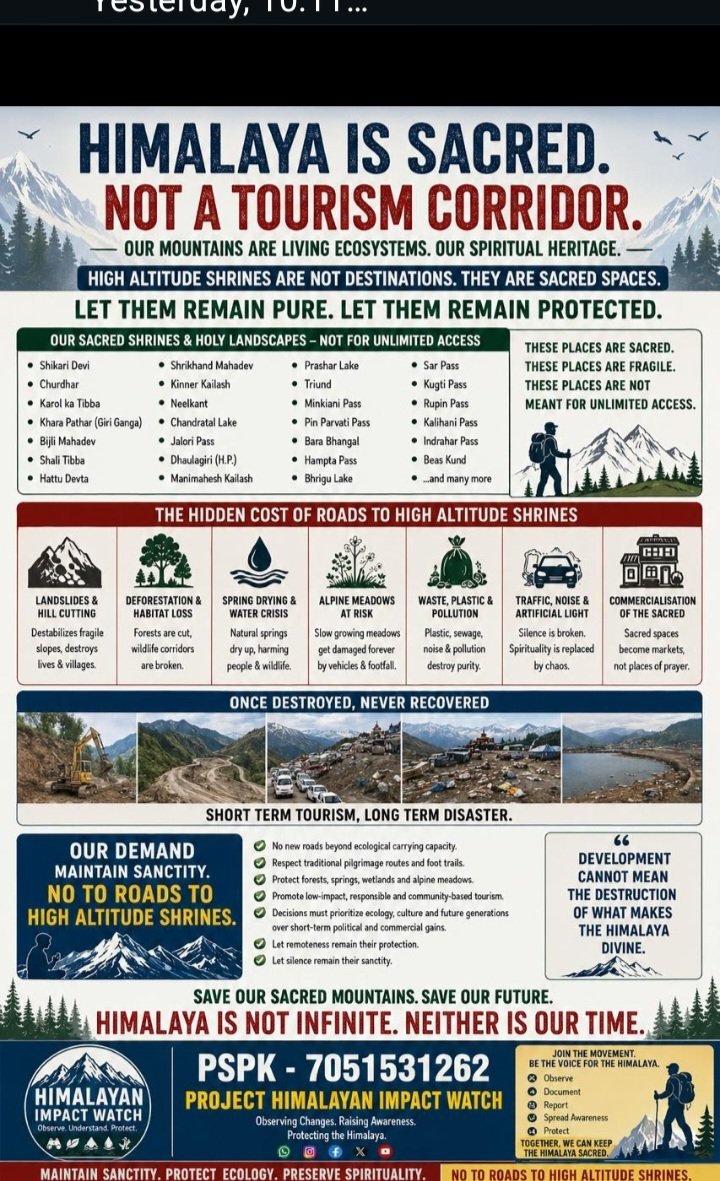
At the core of the ongoing feud lies a fundamental clash of philosophies. While the LG’s office continues an aggressive rollout of modern infrastructure projects—such as water security frameworks like Project Him Sarovar, canal restorations, and the Pashmina goat initiatives—critics and local environmental groups argue that top-down engineering projects risk destabilizing a fragile ecosystem.
The friction between the administration and independent leaders unfolds against a wider backdrop of organized regional resistance spearheaded by major local collectives.
Prominent representative organizations—namely the Leh Apex Body (LAB) and the Kargil Democratic Alliance (KDA)—have consistently driven the public discourse on the region's political future, holding high-level dialogues with the Union Home Ministry, critiquing draft legislative frameworks, and advocating relentlessly for statehood, constitutional safeguards under the Sixth Schedule, and environmental protection.
These regional bodies reflect the deep-seated consensus among local stakeholders that governance models in the fragile Himalayan territory must respect indigenous aspirations rather than being imposed unilaterally.
Local civil society voices emphasize that natural understanding and sustainable survival models in the Himalayas are nurtured over centuries of indigenous wisdom, rather than enacted overnight by bureaucratic fiat.
As both sides lock horns over resource management, institutional policies, and environmental safeguards, analysts warn that ongoing friction between the administration and prominent local figures bodes ill for the stability and cohesive progress of India’s frontier borderlands.