
After Chamba, Bilaspur Audit Finds Same Cracks in Himachal's School Education System
BILASPUR, June 23: After the social audit in Chamba exposed serious shortcomings in government schools, Bilaspur has now thrown up an almost identical picture, suggesting that the gaps are systemic rather than isolated.
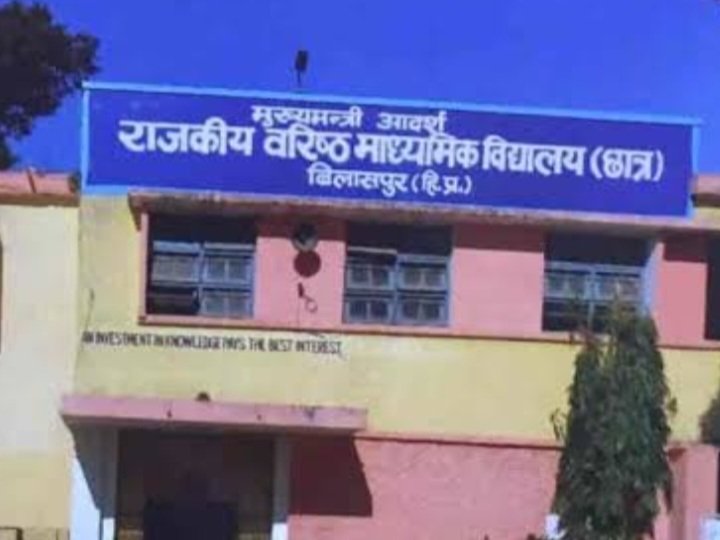
A social audit conducted by a Himachal Pradesh University (HPU) team led by Dr. Randhir Ranta in 154 government schools—nearly 20 per cent of Bilaspur's 809 schools—has revealed major deficiencies in infrastructure, student safety, accessibility, governance and educational quality, raising concerns over the implementation of the Right to Education (RTE) Act.
Presenting the findings at a public hearing attended by over 600 stakeholders, Dr. Ranta said the audit examined more than 175 indicators covering six key components of quality education.
The findings are alarming:
- Not a single surveyed school fully met RTE infrastructure norms.
- 40% schools lacked adequate classrooms and rooms for teaching and non-teaching staff.
- 44% schools had inadequate furniture for students.
- While all schools had drinking water facilities, 80% lacked certified safe drinking water.
- 35% schools had not constituted School Safety Committees.
- 56% schools lacked boundary walls or fencing, posing security risks, especially for girls.
- 74% schools did not have barrier-free access for children with disabilities.
- 85% schools lacked disability-friendly toilets.
- 14% schools were not providing sanitary pads to adolescent girls.
- More than 50% schools did not have complaint and suggestion boxes mandated under RTE.
- None of the surveyed schools had access to professional counselling services.
- Facilities and support systems for children with special needs remained inadequate.
- Field-level education officials were not conducting inspections and school visits as frequently as required.
- The "One Nation, Great Nation" programme was not being implemented in 45% schools.
The only bright spots were libraries and the Mid-Day Meal Scheme. More than 90% schools met library norms, while only 1% schools lacked kitchen facilities for mid-day meals.
The audit findings point to a worrying gap between government claims and ground realities.
Despite substantial spending under Samagra Shiksha, many schools continue to struggle with basic facilities such as classrooms, furniture, safe drinking water, safety infrastructure and accessibility for children with disabilities.
Deputy Director (Education Quality) Nisha Gupta accepted the shortcomings and assured corrective measures, saying the department would address the deficiencies highlighted in the report.
Parents and community members who participated in the hearing demanded urgent improvements in infrastructure, monitoring, accountability and transport facilities.
With Chamba and Bilaspur audits revealing nearly the same shortcomings, the spotlight is now on the Education Department.
The emerging pattern suggests that unless systemic deficiencies are addressed, quality education guaranteed under the RTE Act will remain more of a promise than a reality in many government schools across Himachal Pradesh.