
Vanishing Traditions: The Lost Charm of Himachal's Village Wedding Feasts
SHIMLA, JULY 9: Long before lavish banquet halls, designer invitation cards and buffet counters became the hallmark of weddings, marriage celebrations in the villages of Himachal Pradesh were simple, community-driven affairs that reflected the spirit of togetherness, equality and hospitality. While many of these traditions still survive in parts of lower Himachal, elders say the cultural essence of village weddings has steadily faded under the influence of modern lifestyles.
The wedding invitation itself was once a social ritual rather than a printed formality. Instead of invitation cards, one or two respected members of the groom's or bride's family personally visited every household in the village, relatives and members of the biradari (community clan) to extend a verbal invitation. The messenger was warmly welcomed with tea or a meal and offered a small token of affection, known as shagan, usually ranging from one to ten rupees until the 1970s. In many villages, particularly in lower Himachal, this tradition continues, although the invitation is now usually delivered by the father, mother or close relatives of the bride or groom.
Community participation was the defining feature of these celebrations. On the day of the wedding feast, one member from almost every household gathered at a common point before proceeding together to the wedding venue. The entire village considered attendance a social responsibility, strengthening bonds among families and reinforcing the sense of belonging.
Unlike today's lavish pandals and luxury venues, wedding feasts were organised within the family home. Guests sat on woven mats or folded daris spread across rooms or courtyards, where food was served in orderly rows. Separate seating arrangements were often made for vegetarian and non-vegetarian diners, ensuring comfort and respect for individual preferences.
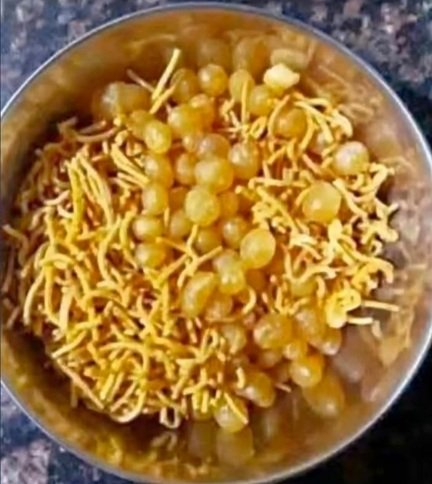
One of the most cherished memories of these traditional weddings was the welcome refreshment. Guests were served a unique combination of namkeen seviyan—thin salted vermicelli—along with golden, transparent sweet boondi, accompanied by hot tea served in steel glasses. Disposable cups and paper plates were unheard of, while cigarettes, bidis and matchboxes were commonly placed on trays for adult guests as a gesture of hospitality.
Meals were prepared in open village kitchens by local cooks, who specialised in preparing traditional dishes using locally available ingredients. When the food was ready, the host personally invited guests with folded hands, saying, "Chalo ji, khana kha lo." The simplicity of the invitation reflected the warmth and humility that characterised Himachali hospitality.
Residents who grew up during those decades recall the remarkable efficiency of community feasts despite the absence of modern catering arrangements. Hundreds of guests were served quickly, with little wastage, thanks to the coordinated efforts of villagers and experienced local cooks.
The traditional style of wedding feasts continues to survive in many villages of Bilaspur, Hamirpur, Solan and Kangra districts, where community participation remains an integral part of marriage celebrations. However, in many parts of upper Shimla and urban Himachal, standing buffet systems, elaborate decorations and commercial catering have largely replaced the old customs.
Cultural observers believe the shift has come at a cost. Buffets often lead to greater food wastage, weaker social interaction and the gradual disappearance of traditional dishes that once defined Himachali weddings. Among the fading culinary memories is the beloved serving of namkeen seviyan and sweet boondi, a combination that many older residents still fondly remember and associate with the warmth of village celebrations.
As Himachal embraces changing lifestyles, many elders feel preserving these customs is essential not only for safeguarding the state's rich cultural heritage but also for retaining the values of simplicity, collective participation and heartfelt hospitality that once made village weddings truly memorable.