
FRA Firestorm in Himachal: Forest Rights or Forest Loot? Activists, Ex-MLAs Back Poor; HIFORM Raises Alarm
SHIMLA — A political and environmental firestorm has broken out in Himachal over the government’s move to implement the Forest Rights Act (FRA), 2006, particularly in non-tribal areas. While government officials, including Tribal Development Minister Jagat Singh Negi, see it as a long-delayed corrective for historical injustice, a vocal opposition led by environmentalists, former forest officers, and academicians warn of an ecological and legal backlash.
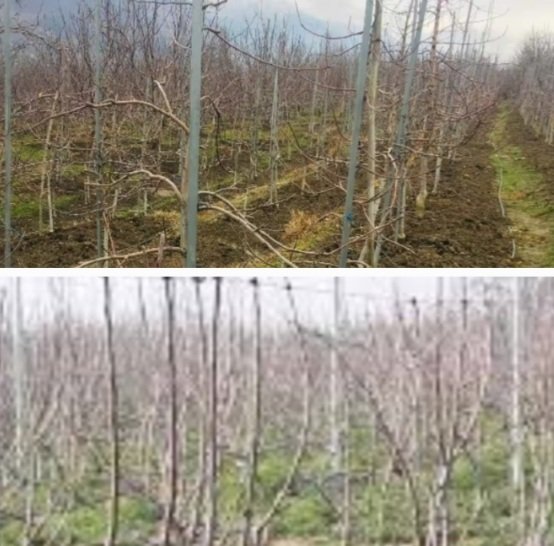
The newly formed Himachal Forest Regeneration Mission (HIFORM) — comprising ex-IFS officers, UN experts, professors etc — has publicly opposed the move, claiming that fruit orchards on forest land cannot be regularized under FRA.
“There’s no legal basis for people cultivating apples on forest land to now claim it as a right under FRA,” said former YSPUHF, Nauni VC Vijay Singh Thakur, a HIFORM member.
Raj Machhan, HIFORM convenor, asserted: “Over 19 lakh FRA claims are pending in the Supreme Court. There is no blanket go-ahead for converting forest land into private property. Himachal must tread carefully, or it will open the floodgates to misuse.”
'Forest Justice Can’t Wait' — Say Activists and Ex-MLAs
But farmers’ organizations, Himachal Seb Udpadak sangh, Himachal Kisan Sabha, Himalayan Niti Abhiyan, HIMDHARA and orher land rights activists, and ex-MLAs have shot back, accusing the 'elite of cherry-picking environmentalism' to deny justice to the poor.
Rakesh Singha, former MLA and a vocal proponent of FRA, dismissed the objections, stating:
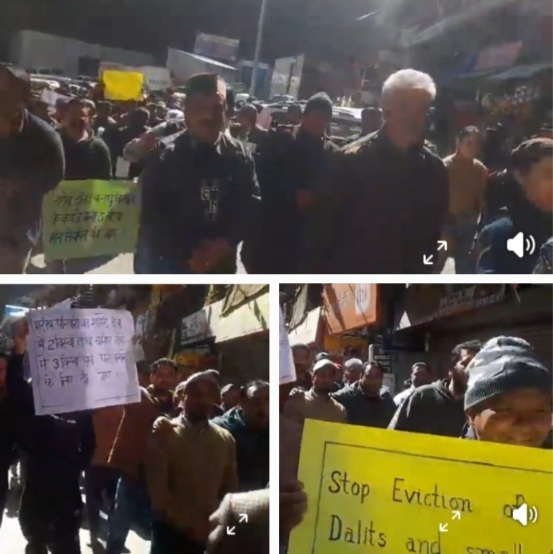
“The eviction drives currently being carried out are in violation of a Supreme Court judgment which clearly laid down that no eviction can happen under the present process and until the claims under FRA are settled. The formation of Village-Level Committees is not only legal — it’s long overdue.”
The supporters argued that real violators of forest laws were the rulers of the erstwhile princely states as they made wild laws treating commonman as their slaves or Bethus or Mujaras.
They gave away the best lands to their own so-called blue blood families. Dalits, Bethus, bounded slaves , and landless people were either pushed to rocky slopes or denied land altogether.”
The activists said:
“Even today, prime land is in the hands of these powerful families — many still living off that royal legacy. The poor are labeled encroachers for trying to feed their families.”
The Forgotten Nautore and Land Reform Mess
Activists point to the unresolved Nautore land cases, especially in districts like Kinnaur, Chamba, and upper Shimla, as a festering wound.
These lands, granted decades ago to landless villagers, were never formally settled or recorded or entitled, leading to generations of uncertainty. When the state government came out with land regulation policy in 2000 over 1.65 lakh farmers filed affidavits staking claims.
Now they face eviction as all waste lands have been declared as forest land under Forest Conservation Act, 1980, stalling all allotments to the needy farmers.
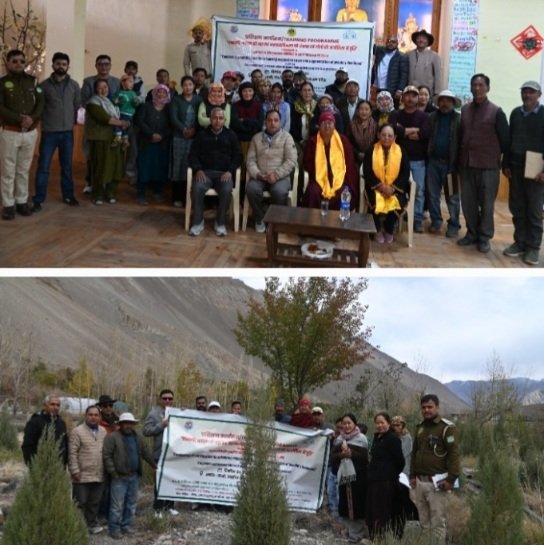
“Himachal never completed land reforms. FRA is not a threat — it’s a corrective,” said president of Himalayan Niti Abhiyan, Guman Singh advocating and supporting the formation of Village-Level Committees in Kullu and other parts of the state.
“The most vocal opponents today are people who are not familiar with reality on the ground in the hills — not forest dwellers, said a left wing activist.
Balance Needed, Not Backlash:
HIFORM insists they are not anti-people, just anti-loophole.
“FRA should benefit only genuine forest dwellers, not big orchardists and land mafia,” said environmentalist Kulbhushan Upmanyu.
“No one denies past injustices. But today’s solution must not become tomorrow’s problem.”
Justice or Jeopardy? The Debate Rages
In a state where 66% of land is officially classified as forest, the stakes are high.
With elections nearing for panchayats and people’s movements gaining ground, the FRA debate could shape not just policy but political fortunes.
“It’s time to stand with the landless, not the landed,” said Singha, demanding full and fair implementation of FRA under legal supervision.
Whether this becomes a fight for forest justice or a flashpoint for forest conflict — only time, and perhaps the courts, will tell.