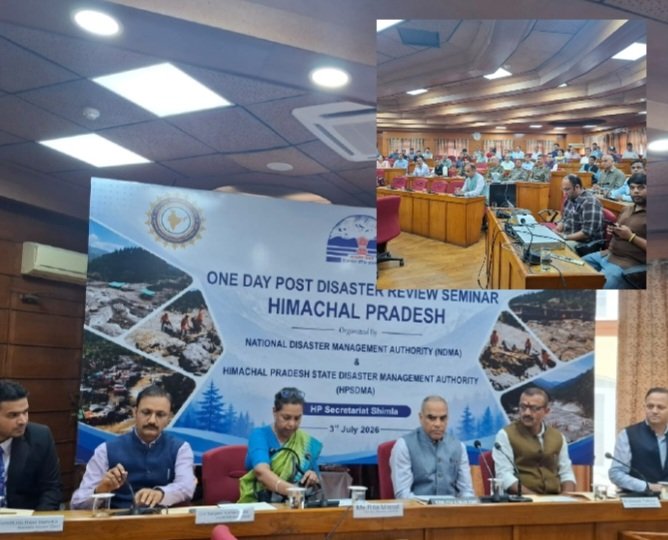

SHIMLA: The recent shift in Himachal Pradesh's disaster management strategy—from relief to preparedness—is a welcome and timely step.
But preparedness cannot begin after a disaster strikes. It must begin long before the first machine cuts into a mountain.
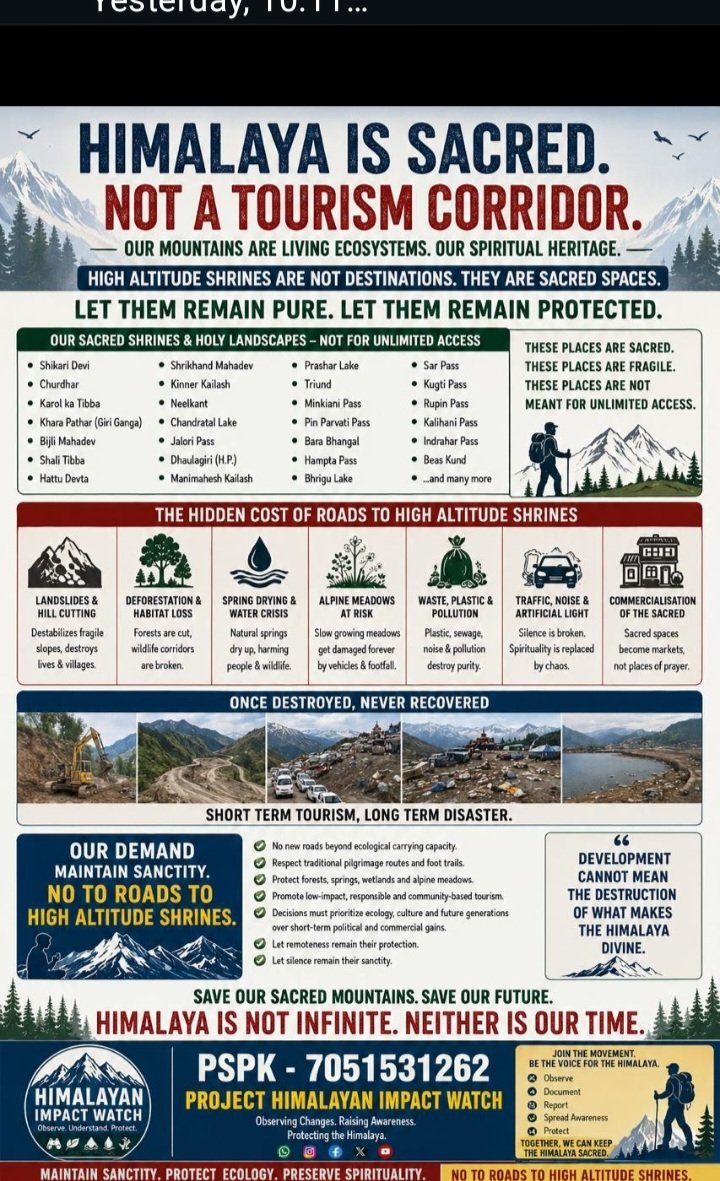
In my view, the real issue lies in the way we are planning and executing development works.
Unless we reform the structural planning and implementation of roads, buildings and other infrastructure, preparedness will remain only a slogan.
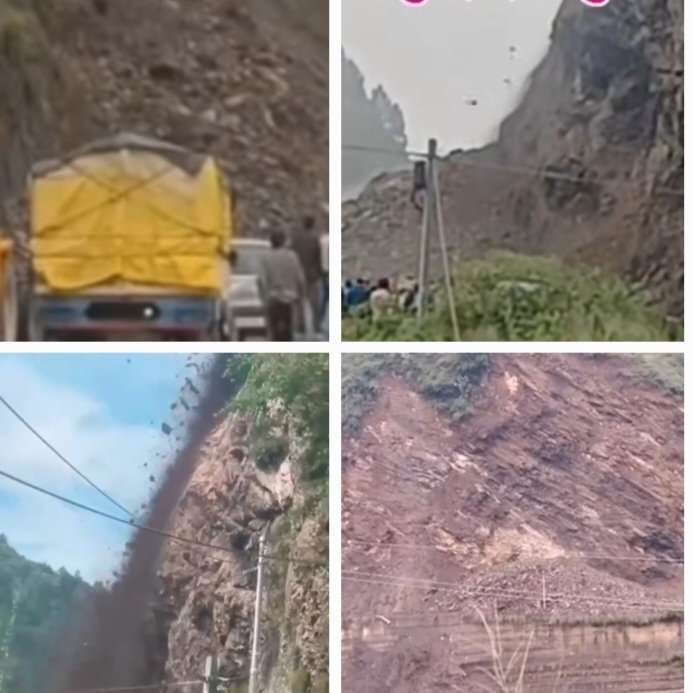
Over the years, I have witnessed excessive, uncontrolled and often unregulated use of JCB machines and hydraulic rock breakers in fragile hill terrain.
These machines have fractured stable rock strata and weakened mountain slopes. The prevailing mindset appears to be, "Break first, think later." We are paying the price every monsoon.
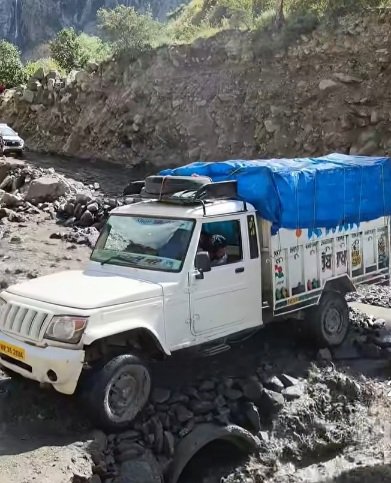
The rural road network, conceived as a lifeline connecting villages to schools, hospitals and markets, is increasingly becoming a threat to the very mountains it was meant to serve.
Instead of respecting the terrain, we are piercing it with indiscriminate hill cutting, often without proper geological studies, spring mapping or drainage planning.
I have repeatedly observed that many link roads are opened without proper Detailed Project Reports (DPRs), geological surveys or hydrological assessments.
Natural springs are rarely mapped before excavation begins. Drainage structures and culverts, which are essential in mountainous regions, are either poorly designed or altogether missing.
Another disturbing practice is the indiscriminate dumping of construction debris into streams, nullahs and riverbeds.
The guidelines are very clear—debris must be disposed of only at pre-identified, stable dumping sites. Yet, in reality, such dumping sites often remain empty while excavated material is pushed into watercourses. The result is predictable: buried springs, narrowed streams, raised riverbeds and devastating landslides.
This is not merely an environmental issue; it is also an economic one. We spend public money constructing roads, watch them collapse during the monsoon and then sanction fresh tenders to rebuild them—often repeating the same mistakes. We build, it washes away, and then we build again.
The indiscriminate use of hydraulic breakers also deserves immediate review.
These machines should not be deployed as a routine practice. Their use should require geological approval and vibration monitoring, particularly in ecologically fragile zones, forests and areas supporting wildlife.
There have even been reports linking excessive vibrations to cracks in graft unions of apple trees and increased vulnerability to pest attacks.
Preparedness also means ensuring strict supervision during construction. Field inspections should become mandatory while work is in progress—not after the damage has already occurred.
Contractors must be held accountable for ecological damage, illegal dumping and unsafe hill cutting. A security deposit linked to environmental compliance could ensure greater responsibility and provide immediate compensation where damage occurs.
I also believe that every DPR should be displayed in the concerned panchayat before work begins and discussed in the Gram Sabha. People have a right to know how roads are being planned in their villages. Public participation is one of the strongest safeguards against poor construction practices.
The world embraced the principle of sustainable development through the Brundtland Report (1987), later endorsed at the Rio Earth Summit in 1992. Sustainable development means meeting the needs of the present without compromising the ability of future generations to meet their own needs. Sadly, our current development model often ignores this commitment.
Hill roads must incorporate proper catchment treatment, spring rejuvenation, scientific drainage and a complete ban on dumping debris into natural watercourses. Development and ecology cannot be treated as opposing goals; they must move together.
The question before us is simple: Are we building roads for future generations, or are we leaving them dry springs, unstable slopes and recurring disasters?
Preparedness will succeed only when we replace the culture of "cut first, think later" with "survey first, build scientifically." That is the only way to build a safer and more resilient Himachal.