
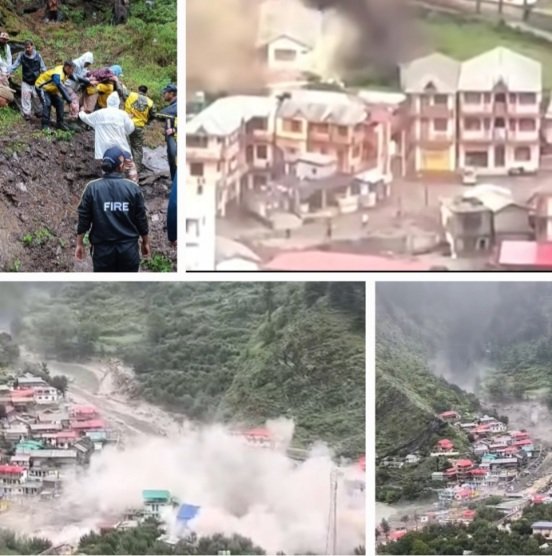
Himalaya Bleeding: IMI Warns Disasters Now ‘Business as Usual’.
Shimla/Dehradun/Itanagar: The Integrated Mountain Initiative (IMI) has sounded a grim warning — the Himalayas are staring at a future where disasters are no longer “rare events” but the new normal.
With over 400 lives lost, 35,000-plus homes wrecked and damages topping ₹3,500 crore in just this monsoon, IMI says the region can’t afford any more cosmetic fixes — it needs mountain-centric planning and immediate action.
“2025 has delivered a bitter truth: Himalayan disasters have become business as usual.
Year after year, floods, cloudbursts and landslides are devastating lives and livelihoods across the region. We can’t pretend anymore,” said IMI President Ramesh Negi, urging the Centre to recognise the Indian Himalayan Region (IHR) as a multi-hazard landscape requiring special attention.
The scale is staggering. Since 2022, the Himalayas have faced 822 days of extreme weather, killing 2,683 people across 13 states and UTs, according to a Centre for Science 2025 analysis.
This year alone, Himachal Pradesh reported 263 deaths and losses over ₹2,200 crore, while Uttarakhand, Sikkim, Arunachal, Mizoram, J&K and the Northeast were battered by cloudbursts, flash floods, and landslides, displacing lakhs.
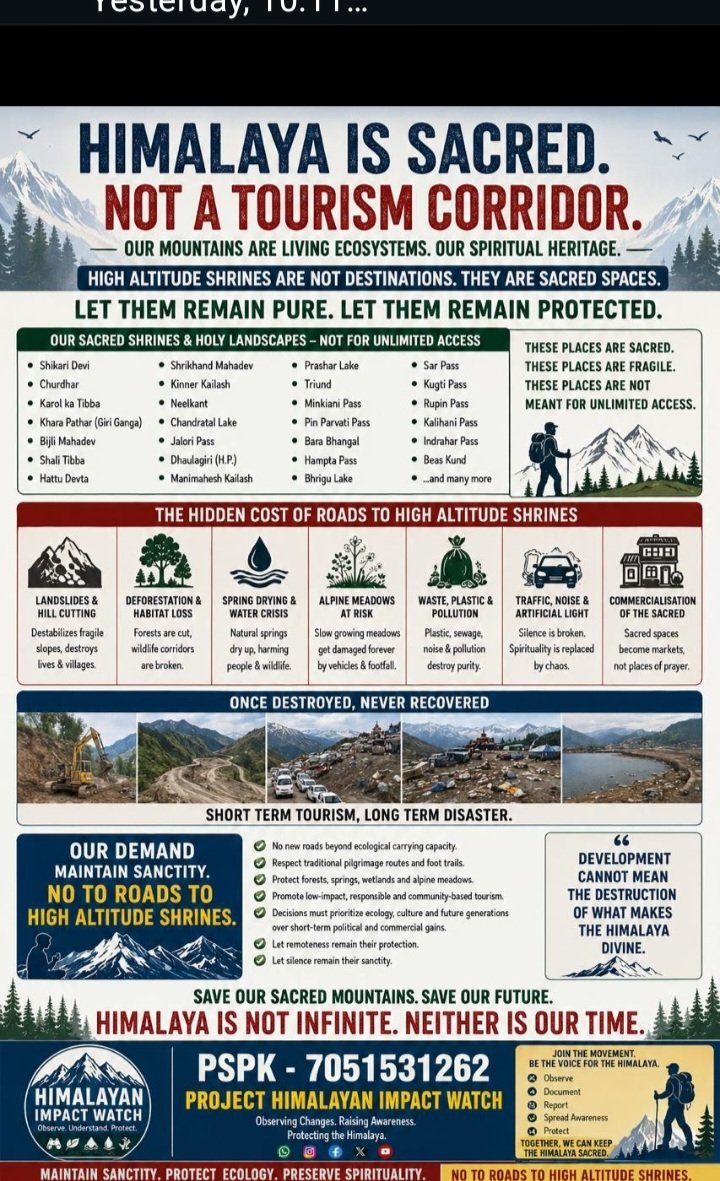
“These disasters are not isolated accidents. They are linked — driven by climate change, reckless development, and poor planning,” warned Roshan Rai, IMI General Secretary.
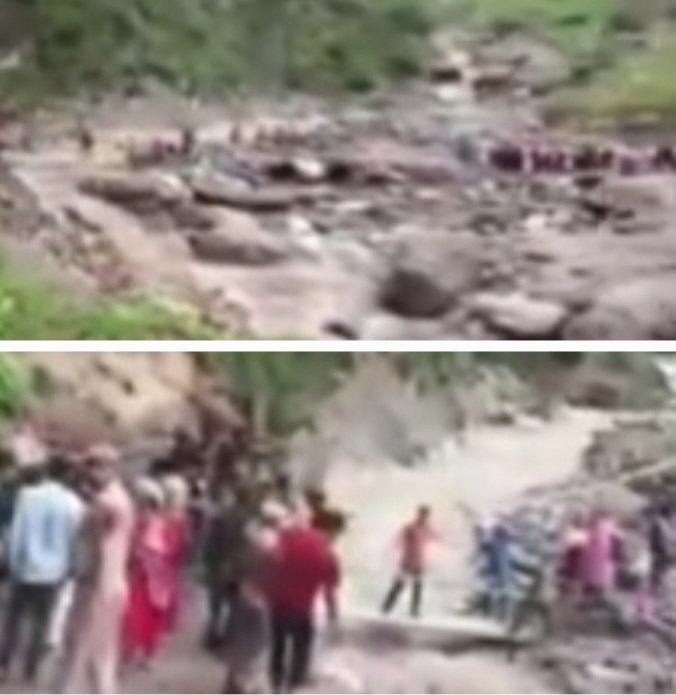
“The Himalaya is fragile, yet we keep treating it as an extraction zone. We need a long-term vision that is not destructive but builds resilience.”
IMI’s call:
Short-term fixes like AI-backed early warning systems, real-time forecasting, and community disaster shelters.
Long-term solutions such as river-basin planning, eco-sensitive zoning, stricter building codes, small run-of-river hydropower, and investing in climate-resilient infrastructure.
Community action — empowering locals with hazard mapping, eco-tourism, and sustainable livelihoods.
“The wellbeing of millions downstream in the Ganges and Brahmaputra basins depends on how we safeguard the Himalaya. The nation must rise to this reality,” added Negi.
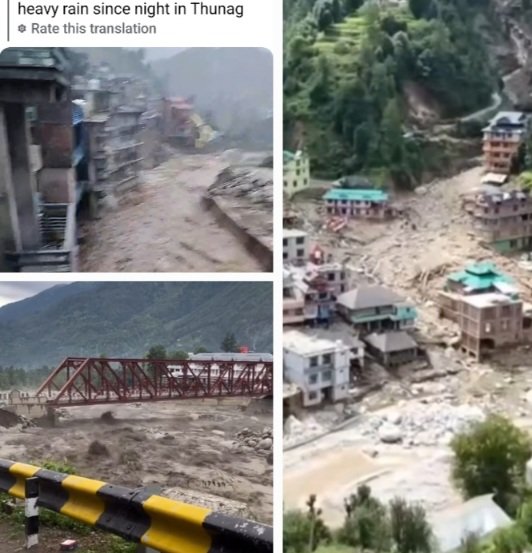
The IMI has urged both national and international commitment to protect the world’s youngest mountains.
“For too long, the Himalaya has been seen only through the lens of dams, highways, and tunnels. That approach is killing us. It’s time to flip the script,” IMI said.
The message is clear — unless India adopts mountain-sensitive development, the disasters of 2025 will not remain exceptions but the rule.
#HimalayaBleeding #ClimateEmergency #DisasterResilience #SaveTheMountains