
SHIMLA/DEHRADUN:
The Himalayan ecosystem underpins more than 20 per cent of India’s GDP when downstream economic activity dependent on its natural systems is taken into account, making mountain resilience a national economic priority, according to a new report by the Integrated Mountain Initiative (IMI) and Systemiq.
The report, Prosperous and Resilient Himalayas, says the Himalayan states contribute about 4.5 per cent of India’s GDP directly, but the mountains support economic activity far beyond the region. Himalayan water and natural systems sustain the wheat and rice economy of the Indo-Gangetic Plain, tea production in Assam and Bengal, fisheries and industry in West Bengal and hydropower across the Northeast.
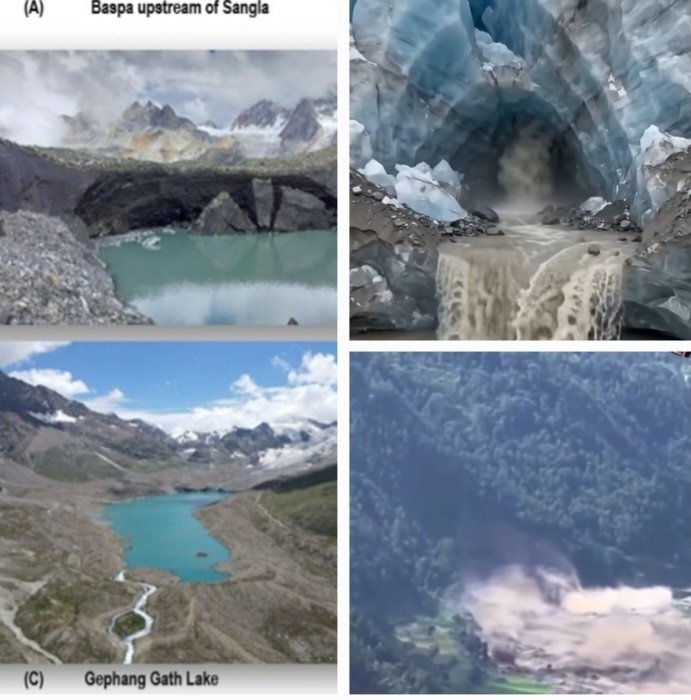
The report warns that this economic foundation is facing mounting climate risks. Himalayan glaciers are losing mass 65 per cent faster than a decade ago, while 56 glacial lakes in India have been classified as very high risk. Glacier-fed river flows are also projected to decline after the region reaches “peak water” around the middle of the century.
It calls for a shift from dealing with disasters individually to managing the Himalayas as an interconnected system, linking scientific information with planning, investment and early action.
The report proposes 10 priority transitions, including reducing black carbon emissions, strengthening early-warning systems, building disaster-resilient infrastructure and moving towards regenerative tourism. Black carbon is estimated to account for around one-third of human-driven glacier and snow loss in the Himalayas.
The report also highlights a major monitoring gap: only around 21 of an estimated 40,000 Himalayan glaciers are currently monitored. It argues that connecting glacier, weather and river data with pre-agreed measures such as evacuations, road closures and infrastructure protection could help prevent losses.
Tourism is another focus. The Indian Himalayan Region receives roughly 400 million tourist visits annually, but fewer than one per cent are international visitors. The report advocates shifting from visitor numbers alone towards higher-value tourism, stronger destination management and greater local reinvestment.
According to the report, the proposed transitions could generate an average adjusted return of about ₹8 for every ₹1 invested when avoided economic losses and wider ecological and social benefits are included.
The findings were discussed in an online dialogue organised by IMI and Systemiq on September 19, with participation from researchers, practitioners, policymakers, businesses and communities.
Feedback from the dialogue will be incorporated into the final report, which is scheduled to be launched at the Sustainable Mountain Development Summit in Srinagar in October.
The initiative says the next phase will focus on translating the recommendations into practical programmes, partnerships and investment opportunities tailored to the diverse ecological, economic and cultural conditions across the Indian Himalayan Region.
#Himalayas #ClimateChange #MountainResilience #SustainableDevelopment