

Stormy Signals Ahead, But Uneven Rainfall Still a Big Worry for Himachal..
SHIMLA: The India Meteorological Department (IMD) has forecast above-normal rainfall for Himachal Pradesh during the June to September 2025 monsoon season — a prediction that will likely keep the State Disaster Management Authority (SDMA) on its toes throughout the monsoon period.
After a turbulent pre-monsoon, this alert raises concerns of floods, flash floods, and landslides in vulnerable zones.
But the pre-monsoon numbers (March–May) reveal a grim and imbalanced picture. Himachal as a whole received 27% below-normal rainfall, ranking it 39th driest since 1901.
According to IMD data, Sirmaur (+75%) and Solan (+32%) received excess rainfall, while Kangra (-63%), Chamba (-46%), Una (-40%), Hamirpur (-37%), Bilaspur (-35%), and Shimla (-21%) saw significant deficits.
Tribal regions were worst hit: Kinnaur (-86%) and Lahaul-Spiti (-85%) suffered near-drought conditions, sparking fears for water supply and farming.
Even though May 2025 clocked a near-normal average (62.5 mm vs normal 63.3 mm), most of that rain came in short, intense bursts.
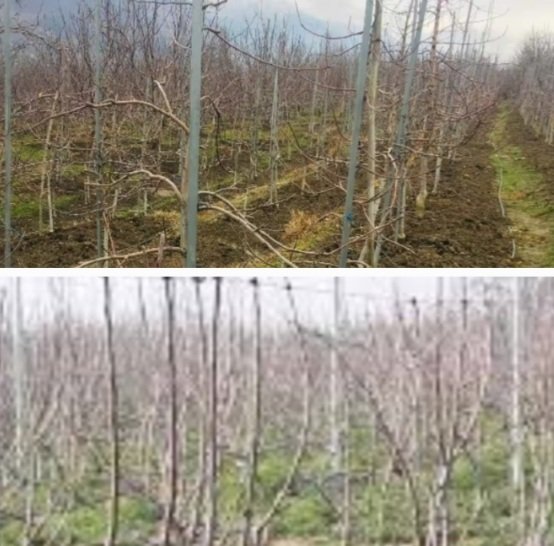
Hailstorms battered fruit crops across the apple belt, while some areas were inundated and others remained parched.
But There is no compensation for Farmers from the government for loss from hailstorms.
The skewed rainfall pattern, coupled with climate uncertainty, demands localized weather alerts, stronger infrastructure, and crop loss mitigation strategies.
An active monsoon may be on the way, but unless rain falls evenly across districts, disaster won’t be avoided—just redistributed.
What Should Tourists and Hoteliers Do?
With the IMD warning of an active monsoon, tourists must stay updated with daily weather alerts, avoid trekking during heavy rain periods, and avoid landslide-prone areas, especially in Kullu, Shimla, Chamba, and Lahaul-Spiti.
Hoteliers and homestay operators must proactively inform guests about weather risks, stock up on emergency supplies, and prepare evacuation protocols where needed.
Local tourism bodies should coordinate closely with the SDMA for real-time alerts and disaster readiness drills.
The key challenge isn’t just more rain, but where and how it falls. Uneven patterns could flood some valleys while leaving others dry.
The takeaway: the danger this year may not be less water — but too much, too fast, in the wrong places.
#HimachalWeather #Monsoon2025 #TouristAdvisory #DisasterPreparedness