Shimla:
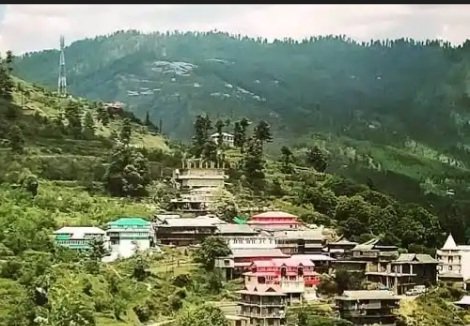
The shocking incident of toxic insecticide being mixed in a village drinking water tank on the outskirts of Shimla has exposed a complete lack of monitoring and field-level checks by the Jal Shakti Department, triggering demands for immediate intervention by Deputy Chief Minister Mukesh Agnihotri, who also holds the water resources portfolio.
Unidentified persons allegedly mixed a deadly pesticide (Dimethoate) into the water tank supplying drinking water to nearly 200 residents across 30 households. The contamination came to light only after villagers detected a strong chemical smell in the water—underscoring that no routine inspection, tank security, or water quality testing mechanism was in place.
Local resident Adarsh Sharma, who first sensed the danger, said the tragedy was avoided by sheer luck. “If we had not noticed the smell, people would have consumed the water. There is no system to check what reaches our taps,” he said.
Officials of the Jal Shakti Department swung into action only after the villagers raised an alarm, ordering the closure and cleaning of the water tank and stopping supply. Subsequent laboratory tests confirmed the presence of an insecticide commonly used in apple orchards, indicating deliberate contamination.
The episode has now raised serious questions over the absence of standard operating procedures (SOPs) for field staff such as T-mates, pump operators and fitters, who are the first line of defence in rural water supply systems.
Residents and civil society groups have demanded that Deputy CM Mukesh Agnihotri immediately issue binding SOPs, including:
Daily physical inspection of water tanks
Mandatory logbooks for T-mates and fitters
Periodic water sampling before distribution
Restricted access and locking of tanks
Clear accountability in case of negligence
Police have registered an FIR against unknown persons and launched an investigation to identify those responsible and determine how access to the tank was possible.
Villagers said the incident has shattered their sense of safety. “This was not mischief; it was an attempt to wipe out an entire village. Without strict SOPs and monitoring, such attacks can happen anywhere,” a resident said.
Until concrete action is taken, the incident stands as a grim reminder of how vulnerable Himachal’s drinking water infrastructure remains, and how administrative negligence can turn basic public services into a potential death trap.