SHIMLA/NEW DELHI: Amid global tensions triggered by the conflict between Israel and Iran involving the United States, panic buying and alleged hoarding by suppliers are compounding an LPG shortage across parts of India, even as the Centre insists that the country’s overall oil and gas supply remains secure.
No Shortage of LPG, Petrol or Diesel in Shimla District: DC Anupam Kashyap
Amid reports of panic buying in parts of the country, Deputy Commissioner Anupam Kashyap on Thursday clarified that there is no shortage of domestic LPG, petrol or diesel in Shimla district, and supplies are continuing normally.
The DC appealed to residents not to indulge in unnecessary stocking of fuel or cooking gas, saying that the supply chain in the district remains stable.
Kashyap was reviewing the availability and distribution of LPG, petrol and diesel in the district through a video conference with all Sub-Divisional Magistrates (SDMs). Representatives of oil marketing companies also participated in the meeting.
During the review, the Deputy Commissioner directed officials to closely monitor the supply situation and ensure smooth distribution so that the public does not face any inconvenience.
He reiterated that there is adequate availability of domestic gas cylinders and fuel in the district, and urged people to avoid panic buying or hoarding.
Across several cities, long queues have been reported outside LPG agencies as households rush to book cylinders fearing a prolonged disruption. Consumers complain that even after booking, deliveries are taking four to five days.
The shortage has triggered black marketing, with a domestic LPG cylinder priced around ₹900 reportedly being sold in the black market for ₹1,700–₹1,800 in states like UP and Bihar, reveal sources.
The situation has begun affecting institutions as well. At hospitals such as King George's Medical University in Lucknow, kitchen operations serving thousands of patients have reportedly come under strain due to delayed cylinder supplies.
Hostels and student mess facilities in several cities are also facing difficulties in preparing meals.
Investigations and consumer complaints suggest that some suppliers and private distributors may be diverting domestic LPG cylinders to meet the demand from hotels and restaurants, particularly after the government tightened supplies of commercial cylinders. This diversion is believed to be fueling black marketing in some areas.
However, the Centre has maintained that the shortage is not due to any disruption in India’s energy supply chain. Union Petroleum Minister Hardeep Singh Puri told the Lok Sabha that India’s crude oil supply remains secure and well diversified.
According to the government, India currently consumes around 5.5 million barrels of crude oil per day and sources its imports from nearly 40 countries, compared to 27 in 2006–07. This diversification has significantly strengthened energy security.
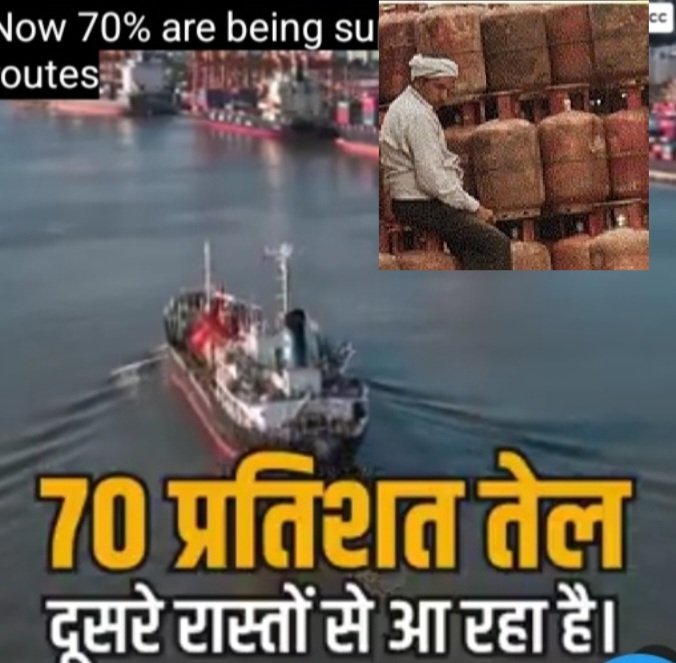
The minister also pointed out that earlier nearly half of India’s crude imports passed through the strategically sensitive Strait of Hormuz. However, alternative sourcing routes now account for about 70 percent of imports, reducing risks from disruptions linked to the ongoing geopolitical tensions.
Government data shows that refineries across the country are operating at high capacity utilisation, in some cases even exceeding 100 percent, and fuel supplies at more than one lakh petrol pumps remain normal.
Officials say the spike in LPG bookings appears to be driven largely by panic buying and stockpiling by consumers as well as hoarding by some distributors, which is creating an artificial shortage in the market.
With fears of supply disruption spreading quickly through social media and local networks, authorities are now monitoring LPG distribution closely and may step up action against black marketing to stabilise the situation.