
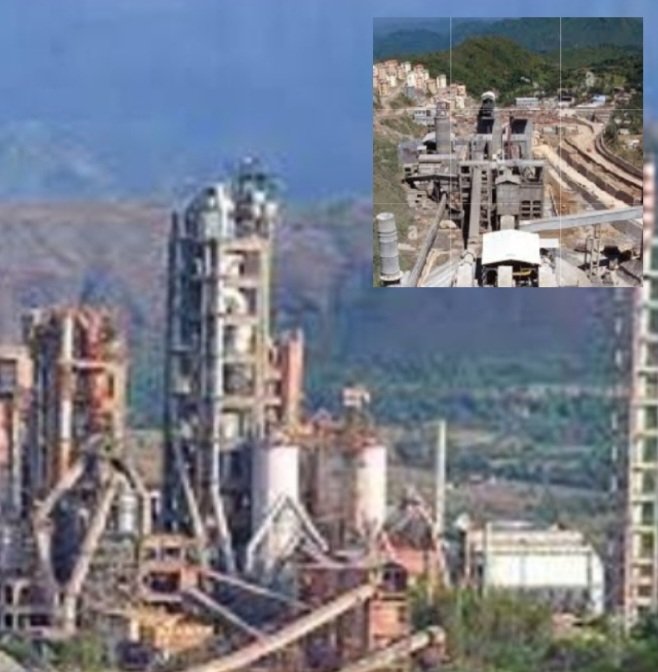
ACC Cement Plant Under NGT Scanner as Pollution Chokes Barmana, Residents Allege Health Crisis, Crop Loss and Regulatory Failure both at Barmana and Darlaghat, Bagha in Solan distirct.
BARMANA/DARLAGHAT/SHIMLA: The National Green Tribunal (NGT) has tightened the noose around the ACC Cement plant at Barmana in Himachal Pradesh’s Bilaspur district, as years of alleged air pollution have pushed local residents into a health, livelihood and environmental crisis—unchecked by regulators meant to protect them.
A bench of Justice Arun Kumar Tyagi and expert member Dr Afoz Ahmad has ordered a joint committee to submit a signed and comprehensive report within four weeks on pollution caused by the plant, after the panel admitted it failed to file its initial report on time due to the absence of a technical expert’s assessment. The matter will next be heard on February 12, 2026.
The case was filed in September 2024 by Kashmir Singh of Khater village, but villagers say the problem runs far deeper.
Residents of Barmana allege chronic breathing disorders, eye and skin ailments, anxiety and declining mental health, blaming years of cement dust and emissions.
Farmers say maize and other crops have been badly hit, with thick layers of dust settling on fields season after season, shrinking yields and eroding livelihoods.
Even more disturbing is the complete indifference of the state health department, which has not conducted a single comprehensive study to assess the long-term health impact on people living around cement hubs like Barmana and Darlaghat and Baggha where these plants operate amid densely populated villages. Locals allege their illnesses remain officially invisible.
More shocking still is the role of the State Pollution Control Board, which residents accuse of caring two hoots about fixing responsibility.
Despite repeated complaints, visible pollution and documented environmental damage, the Board has failed to pin the culprits, impose deterrent penalties or enforce strict corrective and compliance measures.
Industrial pollution – like that from cement plants – can harm people:
Experts explain pollution from industrial activities can contaminate air and water, and these contaminants can enter the human body through breathing or ingestion and cause disease or long-term health effects.
Cement plants release dust, gases and tiny particles (PMs, SPMs) into the air that people can breathe in, which can irritate lungs, cause breathing problems, and, over time, increase the risk of chronic respiratory illnesses and other health issues when exposure is high or prolonged.
This regulatory apathy, villagers say, has allowed cement plants to function with near impunity, turning environmental regulation into a paper ritual while nearby communities choke.
Earlier, the Himachal Pradesh State Pollution Control Board (HPSPCB) informed the NGT that ₹15 lakh from environmental compensation funds would be used for air quality improvement, water resource development and ecological strengthening.
Additional funds were earmarked for waste segregation sheds and treatment facilities in nearby villages.
The Board also disclosed that ACC Cement Ltd deposited ₹40 lakh as environmental compensation, split equally between the Central and State Pollution Control Boards.
Of this, ₹15 lakh was routed through the Block Development Officer, Bilaspur, and spent on works such as solar street lights and hand pumps identified by the Barmana gram panchayat—measures residents dismiss as tokenism in the face of poisoned air and damaged farms.
The NGT has also directed CPCB scientist Dr Narendra Sharma to submit his independent report within four weeks.
As the tribunal steps in, villagers are asking a blunt question: Who will be held accountable for years of polluted air, sick residents and failing crops—and how long will cement production be allowed to trump human lives in Himachal’s villages?
They have urged NGT to direct health and state pollution regulator to bring relief to them in Darlaghat and Baggha areas as well.
#AirPollutionCrisis
#BarmanaUnderDust
#CementPlantsVsLives
#NGTStepsIn