
Pulled Up by High Court, Himachal Finally Wakes Up: Launches Deposit Refund Scheme to Tackle Plastic Waste
Shimla, June 2025:
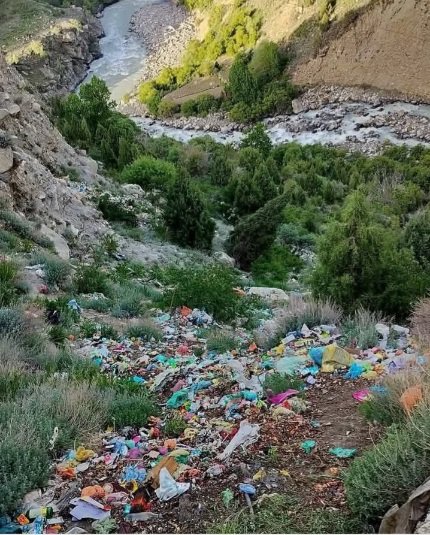
Pulled up by the High Court, the state government has finally woken up, issuing a formal notification to roll out a long-pending Deposit Refund Scheme (DRS) to deal with the growing menace of plastic, glass and multi-layered packaging waste choking its hills, rivers and drains.
Notified under the Plastic Waste Management Rules, 2016—amended from time to time by the Union Environment Ministry—the DRS brings a polluters-pay model into practice:
Buy a packaged product, pay a deposit, return the empty packaging and get your money back.
But critics argue—wasn’t this overdue?
What the Notification Says
Under the new rules, every non-biodegradable product—glass liquor bottles, PET bottles, tetra packs, aluminium cans, multilayered wrappers—will now carry a refundable deposit.
Consumers can claim this deposit back by returning the packaging at designated collection points. But who will these collection centres and when?
Each product must carry a Unique Serialised Identifier (USI)—a digital mark to track its lifecycle.
The scheme applies across Himachal and covers every stakeholder—manufacturer, distributor, retailer, consumer, recycler and even the informal waste sector.
Good Step, But Why So Late?
The government move comes only after repeated judicial nudges. The High Court had earlier slammed the state for failing to implement EPR norms and letting plastic packaging flood hill markets with no take-back accountability.
Experts say the notification comes not out of vision, but compulsion.
“The idea is welcome, but the delay has already caused major environmental losses,” said an environmental activist in Shimla.
Critical Gaps Remain
No timeline yet on the rollout of the pilot district.
No clarity on deposit values per product—left to be notified “from time to time.”
Dependence on unredeemed deposits to fund collection—what if consumers begin redeeming most deposits?
Weak enforcement mechanisms in rural areas where ULBs and GPs are already short on staff.
Moreover, the onus of consumer awareness is now dumped on shopkeepers—who themselves haven’t been trained yet.
Who Does What?
Manufacturers must secure and deposit refundable amounts into a government-monitored escrow account, print USI codes, and ensure take-back via authorized recyclers. No timeline is fixed so far.
Retailers must charge the deposit, inform buyers about return conditions, and display signage.
Urban local bodies and panchayats must provide space for collection points, assign nodal officers and monitor compliance.
The scheme also allows for penalties on violators, and makes all officers and staff under the scheme public servants under IPC Section 21.
Can It Work?
The DRS model is used globally—but success depends on ground execution, strict monitoring and tech-enabled refund systems. In Himachal, such digital readiness and behavioural change remain questionable.
The notification may finally tick a legal checkbox, but environmentalists, citizens and the informal sector now wait to see:
Will it remain a paper scheme? Or will Himachal finally walk the talk on circular economy?