NEW DELHI/ SHIMLA JULY 22: As the ruling BJP and the Opposition remain locked in a fierce political confrontation over the nationwide students' agitation demanding education reforms and accountability in alleged examination irregularities, Ladakh's innovator and environmental activist Sonam Wangchuk has scripted history by entering the 25th day of his indefinite hunger strike—longer than Mahatma Gandhi's longest individual fast of 21 days.
The fast, which began in support of students seeking accountability and reforms in the examination system, has now emerged as one of the longest high-profile hunger strikes in independent India.
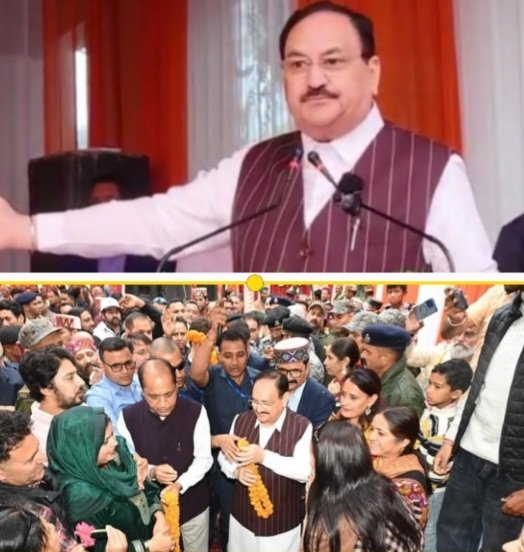
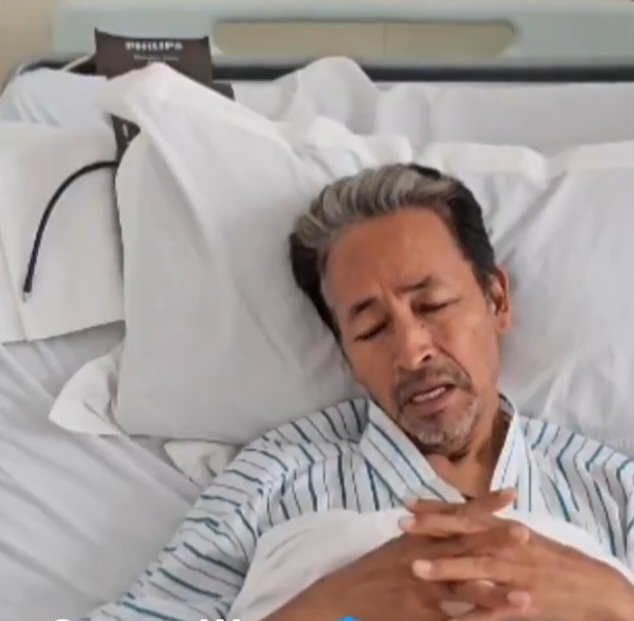
From his hospital bed, Wangchuk on Wednesday released a detailed letter addressed to Union Ministers J.P. Nadda and Dr. Jitendra Singh, thanking them for visiting him and urging him to end his fast.
The ministers conveyed that the government would positively consider compensation for families of students who allegedly died by suicide following the examination paper leak and hold a meaningful discussion in Parliament on education accountability, including the Opposition's demand for the resignation of the Union Education Minister.
However, Wangchuk declined to end his fast immediately.
Instead, he laid down a clear precondition: the Centre must give an unequivocal assurance that no student or protester who participated in the peaceful "Chalo Sansad" march on July 20 will face criminal cases, harassment or retaliatory legal action. He also appealed against any further use of excessive police force against peaceful demonstrators.
"Their only offence has been to raise their voice for a fair and accountable education system," Wangchuk wrote.
The activist revealed that 65 Members of Parliament from different political parties have written to him requesting that he end his fast, saying the country still needs his leadership and contribution to education. Yet Wangchuk said he could not abandon the movement while students continued to face uncertainty.
"I want to live. I want to return to my students and to education. But I cannot do so at the cost of the very young people for whom this movement began," he wrote, adding that without a firm assurance protecting students, he would continue his hunger strike indefinitely.
Historic Fast
According to history sources, Mahatma Gandhi regarded fasting as an instrument of Satyagraha, moral persuasion and self-sacrifice rather than political coercion. Gandhi undertook several major fasts during the freedom struggle, including his 21-day fasts in 1924 and 1943, the longest individual fasts of his life.
With Wangchuk's fast entering its 25th day, it has exceeded Gandhi's longest individual fast in duration. However, historians note that freedom fighter Jatin Das died after a 63-day hunger strike in Lahore Jail in 1929 while protesting the treatment of Indian political prisoners under British rule.
The historical contexts are different and should not be directly equated, but Wangchuk's fast is now among the longest and most significant public hunger strikes in modern India.
Political Battle Intensifies
Wangchuk's fast has become the centrepiece of a widening political battle. The Opposition has accused the BJP-led government of failing to address students' concerns and suppressing peaceful protests, while the government has maintained that it is engaging constructively and has already initiated dialogue.
The disclosure that 65 MPs have appealed to Wangchuk to end his fast has also sparked political debate.
The letter itself does not imply that MPs who have not written support or oppose the fast, nor does it establish that the Prime Minister or the Union Home Minister have taken any particular position.
Questions are nevertheless being raised in political circles and on social media about whether the government should make further efforts to persuade Wangchuk to end his fast, given the seriousness of his medical condition. He has already lost 11 kg of his weight during the fast, but still PM and HM haven't uttered a word on his life threatening condition.
As the Union Government is responsible for maintaining law and order and safeguarding citizens' welfare within the constitutional framework, opposition leaders have argued that every possible effort should be made to protect Wangchuk's life through continued dialogue persuading him to end his fast.
With Parliament in session and political temperatures rising, the spotlight is now firmly on the Centre's next move and Wangchuk's deteriorating health.
Will the government provide the written assurance sought by Wangchuk?
It would determine not only the future of his historic hunger strike but also the fate of a Wangchuk-led ICP student movement that has evolved into a national debate on education, accountability and democratic dissent.