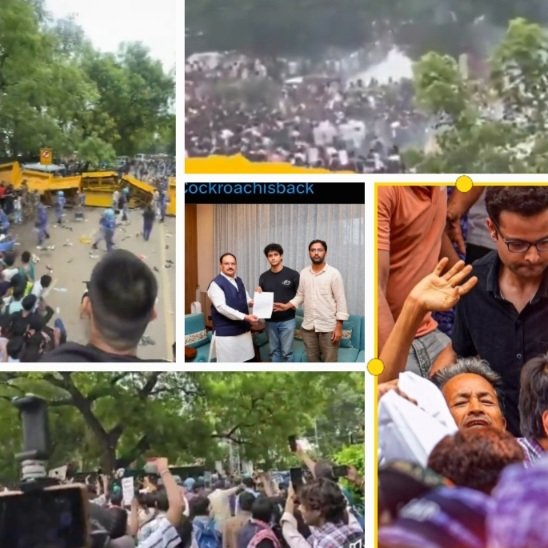
NEW DELHI, JULY 20: What began as a student-led agitation over alleged failures in the education system snowballed into a major political flashpoint on Monday as chaos spilled onto the streets around Jantar Mantar. Student groups clashed with police, reports of lathi-charge and mass detentions emerged, while opposition leaders and film personalities joined the protest, giving the movement a nationwide political dimension.
The agitation, spearheaded by the Cockroach Janta Party (CJP) and supported by education reform activist Sonam Wangchuk, intensified after protesters attempted to march towards Parliament despite prohibitory orders. Heavy police deployment led to tense confrontations, with several students reportedly detained.
Large numbers of students, including those affiliated with Left student organisations, participated in the protest, demanding accountability in the education system following alleged examination irregularities, including NEET and other entrance examinations.
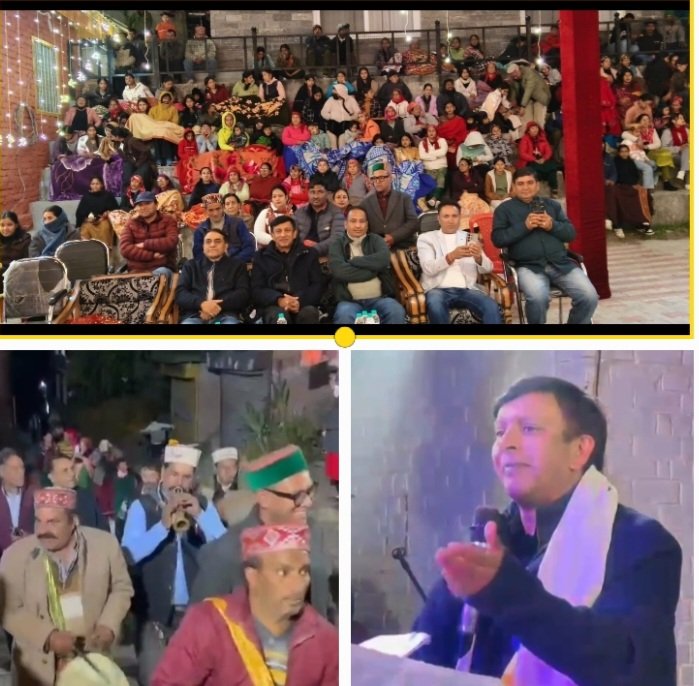
The movement also found resonance beyond Delhi. In Himachal Pradesh, the Congress-backed National Students' Union of India (NSUI) staged protest marches and demonstrations in Shimla, Mandi, Solan and several other towns, expressing solidarity with Sonam Wangchuk's hunger strike. Similar demonstrations were held in Leh and other parts of Ladakh, where supporters reiterated demands for education reforms and accountability.
The protest site at Jantar Mantar witnessed the arrival of several political leaders and prominent personalities, including Aam Aadmi Party leaders, actor Prakash Raj, veteran actor Shabana Azmi, Jammu and Kashmir Chief Minister Omar Abdullah, and Samajwadi Party MP Dimple Yadav, adding a significant political twist to the agitation.
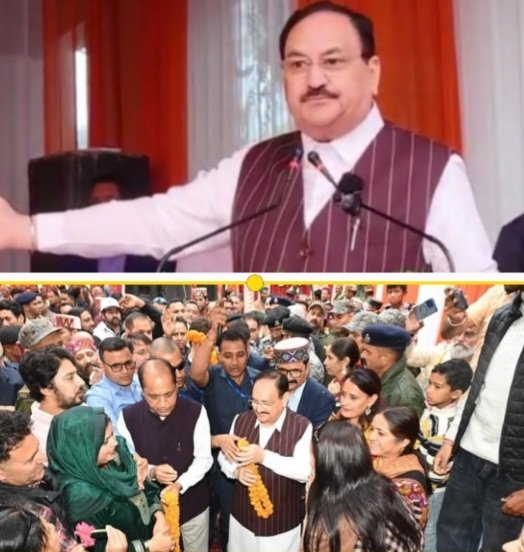
Amid the escalating protests, the CJP claimed that the Centre had, for the first time since the agitation began, reached out for talks. A delegation comprising Saurav Das and Ashutosh Ranka met BJP National President and Union Health Minister J.P. Nadda at his residence.
According to Saurav Das, the delegation waited for more than two hours before being granted a 10-minute meeting, during which they handed over a written memorandum outlining the protesters' demands. He said Nadda assured them that the memorandum would be processed through official channels and that he would also discuss the matter internally with the party leadership.
The memorandum alleges repeated failures in the education system and seeks the resignation of Union Education Minister Dharmendra Pradhan, holding him accountable for alleged examination irregularities and delays.
Meanwhile, Gitanjali Angmo, wife of Sonam Wangchuk, stressed that despite the political attention, the movement remained peaceful and centred on students' concerns. She reiterated that the protest was based on three principal demands: ensuring education accountability and systemic reforms, seeking the resignation of Union Education Minister Dharmendra Pradhan, and securing a firm assurance from political leaders that education accountability would be taken up as a major issue during the ongoing Parliament session.
She had earlier stated that Sonam Wangchuk would consider ending his hunger strike if political leaders committed to raising the issue in Parliament; otherwise, the fast would continue.
With negotiations now underway and protests spreading across multiple states and regions, the agitation has evolved into one of the country's most high-profile student-led movements, placing the government's handling of education reforms under intense public and political scrutiny.