Dehradun, August 22:
Uttarakhand’s recurring climate disasters are no longer isolated incidents—they are warning signals that demand an urgent shift from post-disaster relief to prevention, preparedness and accountable development.
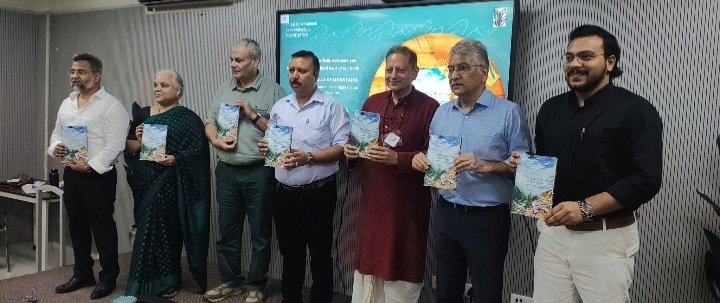
This is the central mantra of the third edition of Making Molehills of Mountains, launched at Doon Library and Research Centre on Saturday.
Published by SDC Foundation and Messrs Bishen Singh Mahendra Pal Singh, the book analyses 98 major climate-related disasters reported in Uttarakhand during 2025 and flags five emerging risks facing the Himalayan state.
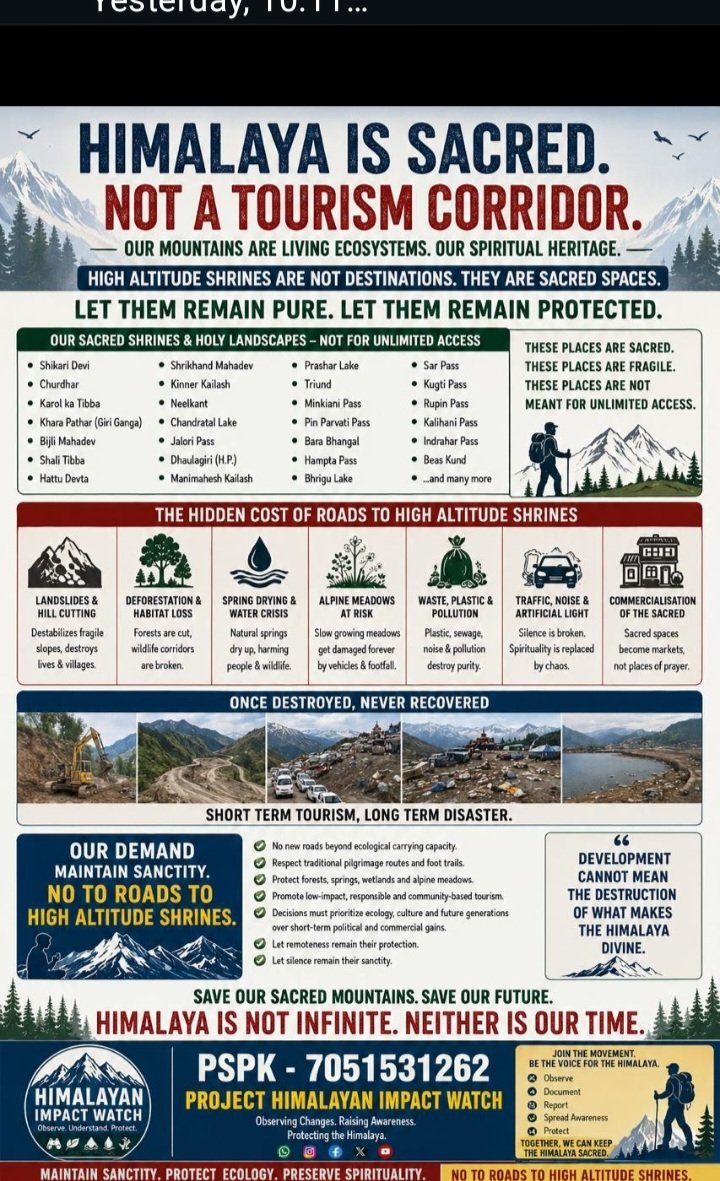
The study points to administrative delays and fragmented governance, the growing vulnerability of urban and semi-urban areas, changing glaciers and glacial lakes, infrastructure-induced disaster risks and the ecological burden of mass tourism.
The findings assume greater significance as Uttarakhand continues to witness repeated floods, landslides, cloudbursts and other climate-linked disasters, raising questions over whether development planning is keeping pace with the changing Himalayan environment, says SDC Foundation President Anoop Nautiyal.
The book also brings communities and constitutional rights into the climate debate, examining environmental legislation, migration, delimitation and the lived experience of people in hill towns.
The message for the government is clear: these findings should not remain confined to the pages of a book or academic discussions. Chief Minister Pushkar Singh Dhami and civic and disaster-management authorities should examine the recommendations and convert them into a time-bound state action plan.
The five red flags identified in the study can provide a useful framework for strengthening disaster prevention, regulating construction and tourism, improving urban planning, protecting fragile ecosystems and ensuring greater accountability among agencies.
With Uttarakhand facing increasingly frequent and intense climate-related events, the priority must be to anticipate disasters rather than merely respond to them.
The voices of communities, experts and researchers need to be integrated into development decisions before the next disaster strikes.
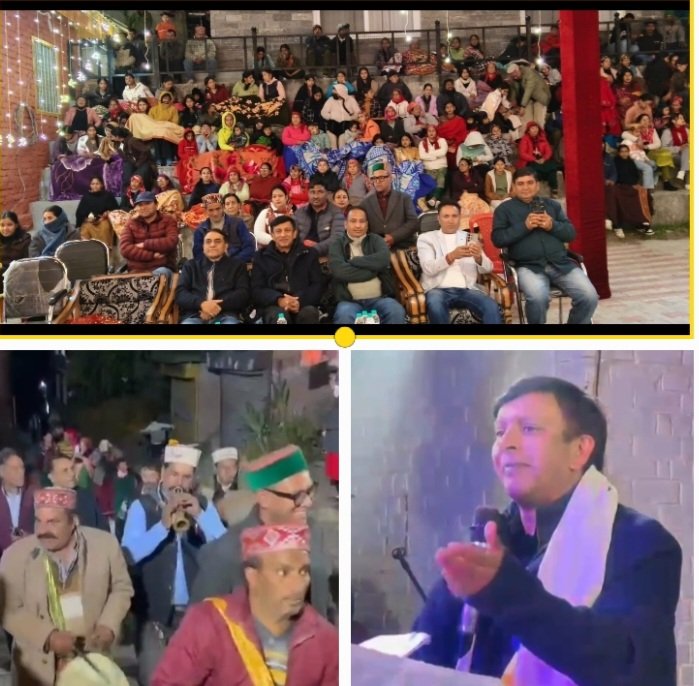
The book launch brought together researchers, academics, students, civil society representatives and prominent citizens, underlining the need for sustained public dialogue on climate change, communities and constitutional rights.
For Uttarakhand, the real test of this book will not be its circulation—but whether its warnings find their way into government files, budgets, planning decisions and, ultimately, an action plan on the ground.