
IMI, a civil society group takes on the Sukhu government for its stance on power projects in Supreme Court
SHIMLA/NEW DELHI : The Indian Mountain Initiative (IMI) has taken on the Sukhu government head-on. It has demanded a Supreme Court-monitored committee to study all new projects in Himachal and other Himalayan states before they are sanctioned.
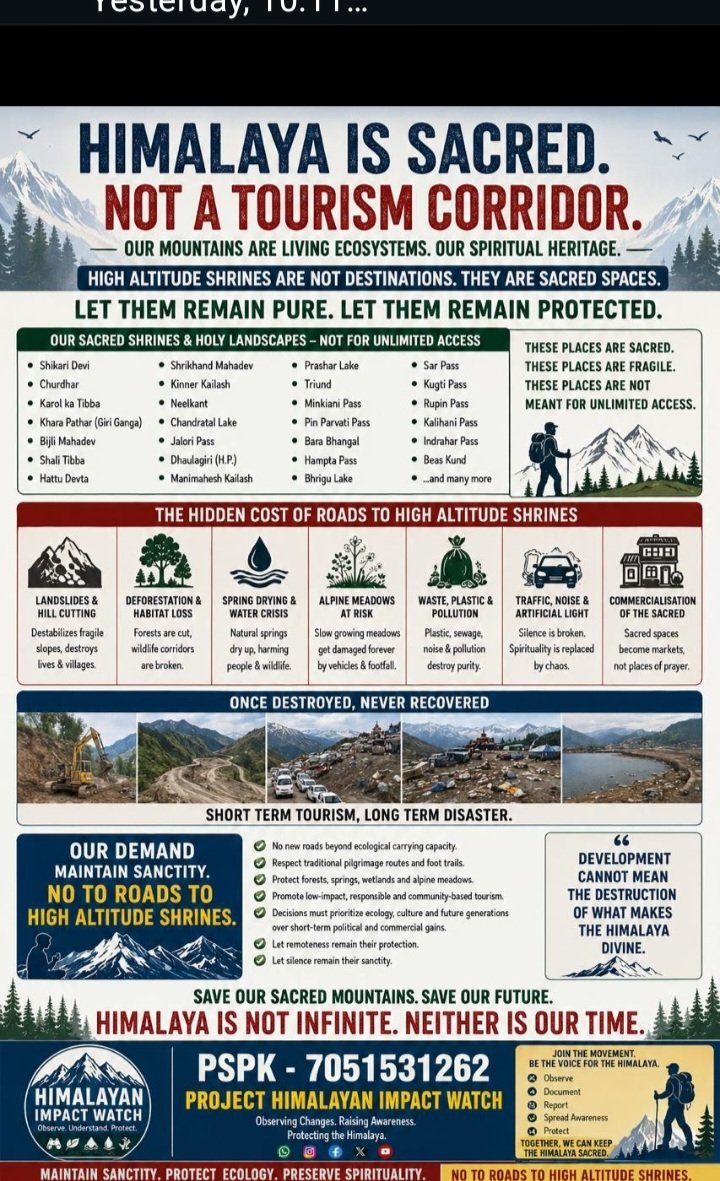
IMI President Ramesh Negi, former Chief Secretary of Arunachal Pradesh, said tribals in Lahaul-Spiti and Kinnaur were already up in arms against proposed hydel projects.
Local NGOs, Save Lahaul-Spiti Society and No Mean No are also in Kinnaur are opposing projects in the tribal belts.
“We cannot bulldoze the fragile Himalayas in the name of development. The voices of local people cannot be ignored,” Negi said. The government should seek referendum from the concerned district not panchayats, he added.
Negi pointed to the government’s MoUs for projects in the Chandra-Bhaga basin and the Jangi Thopan Powari project on the Sutlej.
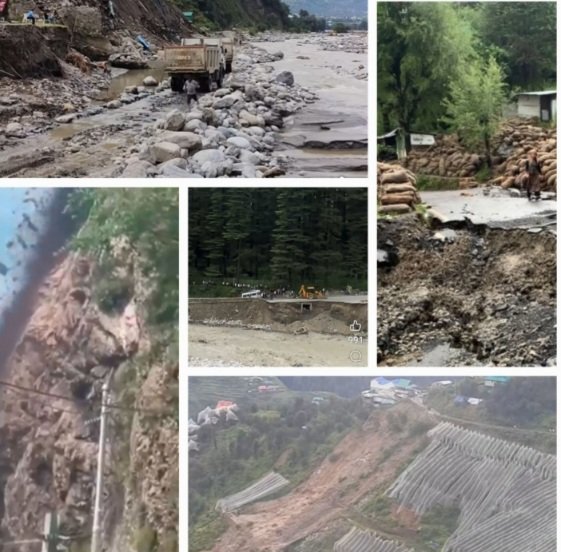
He warned these projects would add to ecological stress in eco-sensitive tribal belts. He also flagged that in Arunachal Pradesh, central PSU SJVNL was pushing ahead with mega projects despite local resistance.
But the Himachal government has chosen to contest the matter in the Supreme Court. In an affidavit filed in response to the court’s suo motu PIL, it defended hydropower as a “cleaner and greener” option.
The government told the court its economy depends heavily on hydropower and tourism.
With no thermal plants allowed in the state as policy, it said hydel projects were the only alternative to thermal power stations. It added that the Centre itself had been encouraging hydropower wherever possible.
“Hydropower projects may not be considered the primary cause of destruction in the state,” the affidavit said, insisting that every project undergoes environmental and social impact assessments before construction.
The state also argued that cloudbursts and flash floods were largely linked to global warming, not directly to hydropower projects.
“The utilisation of hydropower as a cleaner alternative to fossil fuel-based thermal power represents a positive step, as it not only safeguards the environment but also contributes to mitigating global warming,” it said.
The affidavit comes against the backdrop of a stern warning by the apex court on July 28.
The bench said, “Earning revenue is not everything. Revenue cannot be earned at the cost of environment and ecology. If things continue the way they are, the day is not far when the entire state of Himachal Pradesh may disappear from the country’s map.”
Meanwhile, Justice Sanjay Karol has publicly called for a Chipko-style movement to save Himalayan forests, saying the recent floods showed how vulnerable the region had become.
The Supreme Court is now weighing whether to set up its own monitoring mechanism — one that demands wider district-level consent, not just panchayat approval, before clearing high-altitude projects.
#HimalayanHydroDebate #SaveOurStreams #TribalVoicesMatter #SCWatch