Shimla/New Delhi, March 17:
In a sweeping nationwide crackdown, over 12,000 raids have been conducted and more than 15,000 LPG cylinders seized, as the Centre turns the heat on hoarding and black marketing amid the ongoing West Asia war crisis.
At the same time, Chief Secretaries across States and UTs have been directed to ensure strict ground enforcement, with district administrations asked to carry out surprise inspections under the Essential Commodities Act.
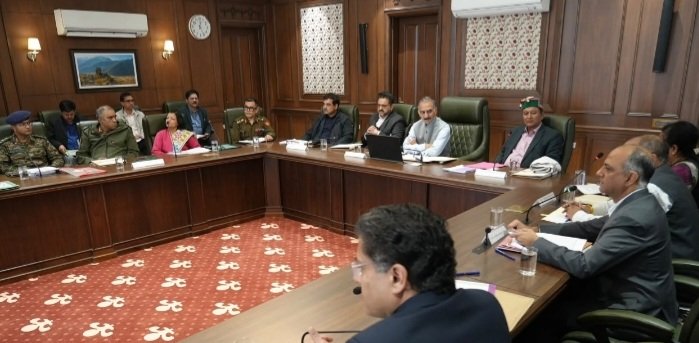
The directions came during an inter-ministerial briefing, where the government made it clear that States hold the frontline responsibility for monitoring fuel supplies and curbing illegal practices, states the central government spokesperson.
A letter issued on March 13 has tasked Chief Secretaries to mobilise District Magistrates, collectors and enforcement agencies for intensive checks and real-time monitoring.
Crackdown Intensifies, States on the Spot
Major enforcement actions have been reported from Delhi, Uttar Pradesh, Jammu & Kashmir, Kerala and Madhya Pradesh, signalling a coordinated push.
Over 2,500 surprise inspections have also been carried out by PSU oil companies at petrol pumps and LPG distributorships.
As many as 27 States/UTs have set up control rooms, while several—including Himachal Pradesh—have activated district-level monitoring committees. Others have been told to fall in line quickly.
No Shortage, But Panic Booking a Concern
Even as enforcement tightens, the Centre insisted there is no shortage of LPG, petrol or diesel. Refineries are running at high capacity, and India remains self-sufficient in petrol and diesel production.
Yet, panic behaviour appears to be driving stress in the system. The government revealed that online LPG bookings have surged to 94%, while delivery authentication coverage has jumped to 76% to plug diversion.
Citizens have been urged to avoid panic bookings and rely on digital modes such as IVRS, SMS, WhatsApp and mobile apps.
Production Boost, Supply Chain Stabilised
To keep kitchens running, domestic LPG production from refineries has been ramped up by around 38%. Additional kerosene allocation of 48,000 KL has also been made to States to ease pressure.
Two LPG carrier vessels—Shivalik and Nanda Devi—have docked at Mundra and Kandla ports, with cargo discharge already underway to strengthen supplies across regions.
Push for PNG, Policy Tweaks to Ease Pressure
In a key policy shift, commercial consumers in urban areas—hotels, restaurants, hospitals—are being nudged to switch to PNG (Piped Natural Gas). States have been asked to fast-track approvals for city gas distribution pipelines, waive charges and appoint nodal officers.
Further, booking intervals have been revised—25 days in urban areas and up to 45 days in rural regions—to ensure equitable distribution.
PNG users have also been advised to surrender LPG connections under the amended LPG Control Order to reduce demand pressure.
The heightened vigilance comes against the backdrop of tensions around the Strait of Hormuz. However, the government said no fuel supply disruption has been reported, and all Indian seafarers in the region remain safe.
Meanwhile, over 700 Indians have crossed from Iran into Armenia and Azerbaijan, with around 130 pilgrims expected to return to Delhi today. Indian missions continue to operate round-the-clock, facilitating evacuations and assistance.
While the Centre projects a picture of control and adequate supply, the real test now lies with States—especially in hill regions like Himachal Pradesh—where complaints of supply disruptions, halted online bookings and local-level hoarding continue to surface.
#LPGCrisis #BlackMarketing #FuelSupply #HimachalPradesh