
Shimla/Chandigarh / New Delhi: Himachal Pradesh’s Parwanoo has emerged as a surprise performer in the Swachh Vayu Sarvekshan 2025, clinching the second rank in India among towns with less than three lakh population.
Just across the state border, however, Punjab’s Dera Bassi—a busy traffic junction choked with trucks and factories—fared poorly, leaving local realtors jittery as homebuyers now weigh “clean air” before investing.
Chandigarh, long considered the region’s planned green city, also found itself under pressure with its ranking slipping in the national competition.
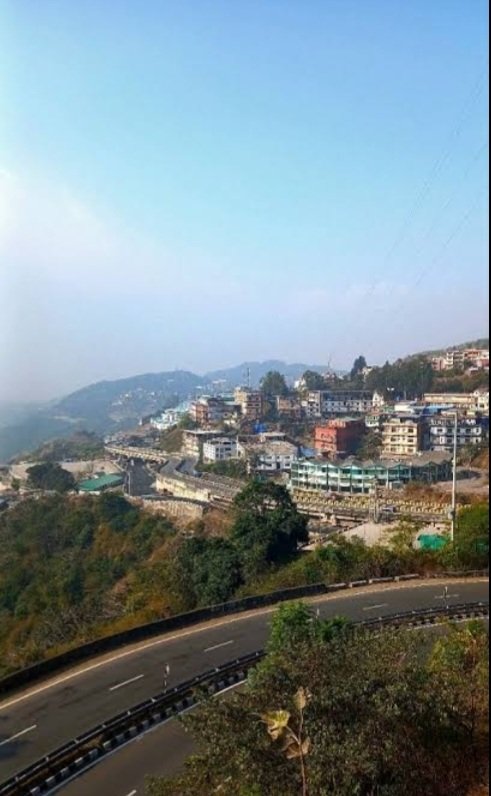
The contrast is telling. Parwanoo has been spared the worst of traffic pollution thanks to the four-lane bypass skirting the town, ensuring trucks no longer thunder through its heart.
Ironically, the Himachal Pradesh Pollution Control Board claimed credit, but in reality, it’s the highway diversion—not policy intervention—that helped the hill town breathe easy.
Dera Bassi, on the other hand, continues to suffocate as NCR-bound traffic and unchecked construction dust fill its skies.
Union Environment Minister Bhupender Yadav released the Swachh Vayu survey results in Delhi on Tuesday, felicitating 11 best-performing NCAP cities for their clean air achievements. He also underlined Prime Minister Narendra Modi’s vision behind the National Clean Air Programme (NCAP), which has now expanded to 130 cities with ₹1.55 lakh crore mobilized for clean air and green infrastructure. “We are moving from planning to action. 103 cities have already shown marked improvement,” he said.
At the top of the rankings, Indore, Jabalpur, Agra and Surat dominated in the big cities category. Amravati, Jhansi, Moradabad and Alwar led the mid-sized cities, while Dewas, Parwanoo and Angul claimed the top three slots among smaller towns. Indore was also conferred a special international recognition as a “Wetland City” under the Ramsar Convention, along with Udaipur.
For the Himalayan states, the survey revealed a mixed bag. Parwanoo put Himachal Pradesh on the national clean air map. But other hill towns in Himachal, Uttarakhand and Jammu & Kashmir failed to make a mark.
Urban centres like Shimla, Dehradun, and Srinagar continue to battle vehicular congestion, unchecked construction, and seasonal inversion that traps pollutants in valleys.
The Ministry also announced that from 2026, the clean air survey will go deeper—right down to the ward level—to push local bodies into action.
A compendium of “best practices” was also released, showcasing examples like Indore’s tree plantation drives, Surat’s EV policy, and Agra’s legacy waste remediation. These are the templates that hill states could replicate.
Yet, the ground reality in places like Dera Bassi and Chandigarh highlights the gap between glossy rankings and lived experience.
Realtors in Dera Bassi admit that buyers are already asking tough questions: “Why invest in a gas chamber when Himachal Parwanoo, just 30 km away, offers cleaner skies?” Will Punjab Pollution Control Board Wake Up?
Chandigarh too faces rising dust from highways, expansion projects, and increasing vehicle density, putting its “city beautiful” tag at risk.
The larger concern remains whether Himalayan towns can bank only on bypasses and geography to stay clean—or whether state agencies will move beyond token surveys to real interventions on waste, traffic, and industrial emissions.
#SwachhVayu #CleanAirIndia #HimalayanStates #NCAP2025 #Environment