Spiti Valley joins UNESCO’s global Biosphere Reserves list, India’s first Cold Desert to earn the tag.
Shimla, Sept 28: Himachal Pradesh’s Spiti Valley has carved its name on the world conservation map, becoming India’s first Cold Desert Biosphere Reserve to be included in UNESCO’s prestigious Man and the Biosphere (MAB) Programme.
The announcement came during the 37th International Coordinating Council (MAB-ICC) meet in Hangzhou, China (Sept 26–28, 2025).
With this, India now has 13 Biosphere Reserves under UNESCO’s global network.
For Himachal, the recognition is a “historic moment” crediting local communities for protecting their fragile ecosystem while preserving the valley’s cultural heritage.
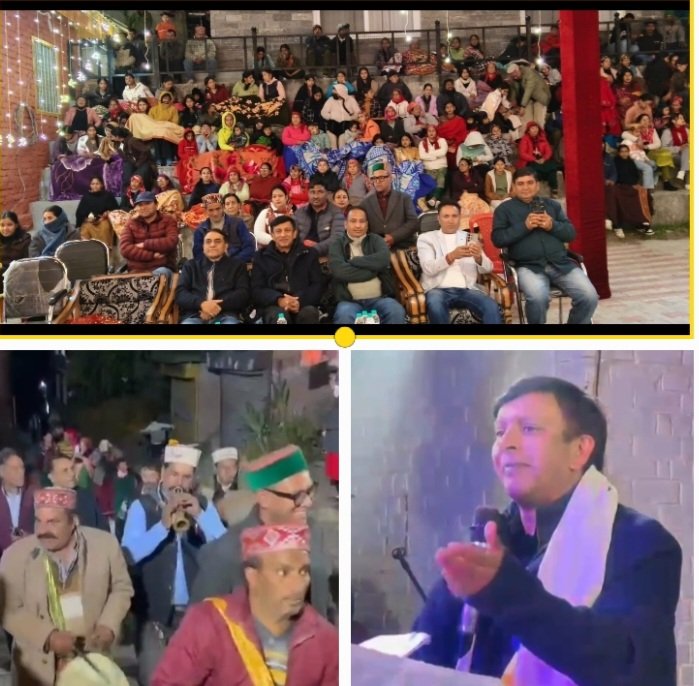
“Our government is committed to conserving the state’s natural wealth while balancing development with ecological harmony,” he said, congratulating the Forest Department and its Wildlife Wing for the achievement.
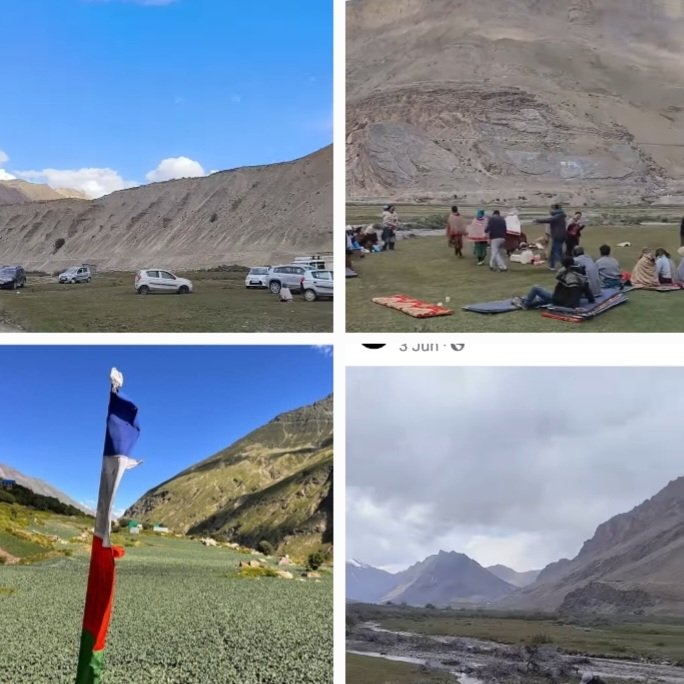
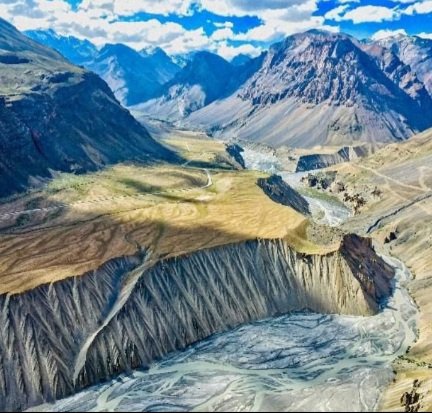
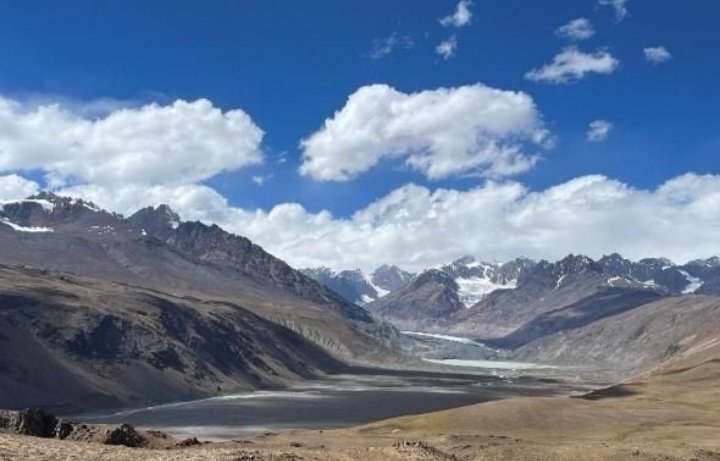
Spread across 7,770 sq km at altitudes between 3,300 and 6,600 metres, the newly recognized Spiti Cold Desert Biosphere Reserve covers the entire Spiti Wildlife Division and parts of the Lahaul Forest Division, including Baralacha Pass, Bharatpur and Sarchu.
It has been zoned into a 2,665 sq km core, 3,977 sq km buffer, and 1,128 sq km transition area. The network includes Pin Valley National Park, Kibber Wildlife Sanctuary, Chandratal Wetland, and Sarchu Plains.
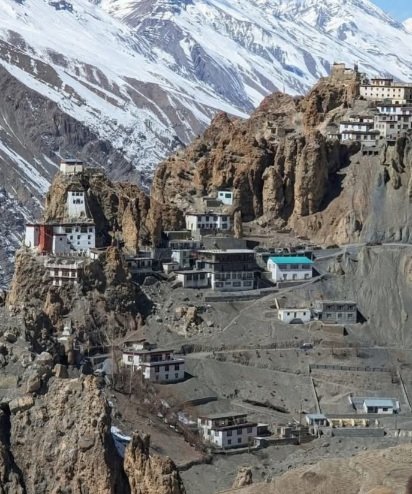
Known for its extreme climate and fragile soils, the reserve is home to 655 herb species, 41 shrubs and 17 tree species, including medicinal plants vital to the traditional Sowa Rigpa (Amchi) healing system.
Wildlife ranges from snow leopards, Tibetan wolves and ibex to over 119 bird species like the golden eagle, Himalayan snowcock and bearded vulture. With more than 800 blue sheep, the valley provides a rich prey base for top predators.
PCCF (Wildlife) Amitabh Gautam said the UNESCO tag would “bring global recognition to Himachal’s cold deserts, open doors for international research, promote responsible eco-tourism and help build climate resilience in the Himalayas.”
26 new sites added worldwide
With these additions, the World Network of Biosphere Reserves now comprises 785 sites across 142 countries, protecting over 8 million sq km — nearly 5% of Earth’s land area.
Six countries — Angola, Djibouti, Equatorial Guinea, Iceland, Oman and Tajikistan — celebrated their first biosphere reserves, while São Tomé and Príncipe became the first state to have its entire territory designated as one.
UNESCO Director-General Audrey Azoulay hailed the expansion as a landmark, saying: “With nearly 30 new designations this year, biosphere reserves now protect 5% of the planet. They are living laboratories where conservation and sustainable livelihoods go hand in hand.
#SpitiValley #UNESCO #BiosphereReserve #HimachalPradesh #ColdDesert #SnowLeopard #EcoTourism #ClimateAction #IndiaOnGlobalMap