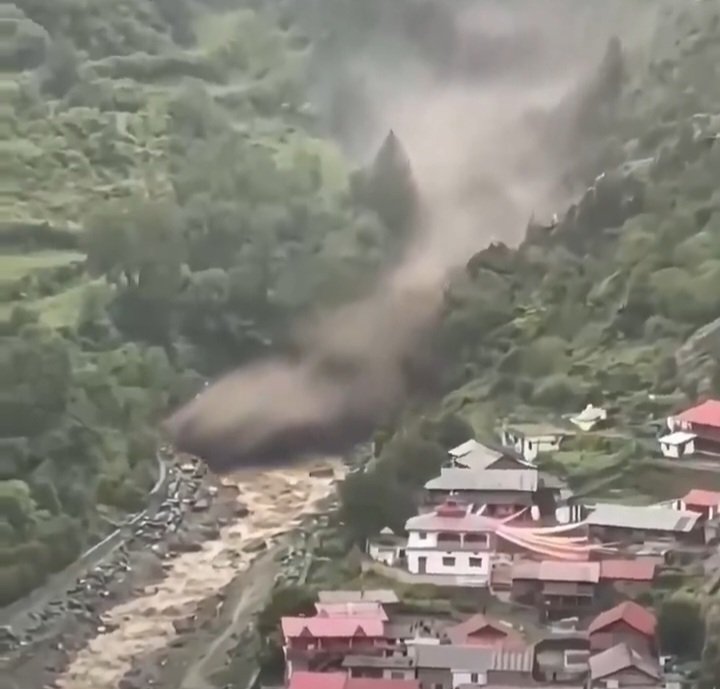
KATHMANDU/NEW DELHI: With at least 633 people dead, nearly 3,000 missing and tens of thousands affected, the catastrophic Nepal-Tibet flash floods have rapidly evolved from a humanitarian disaster into a diplomatic and geopolitical row over the disaster’s cause, cross-border warning systems, information transparency and Nepal’s initial reluctance to accept international rescue assistance.
The Balen Shah government initially declined offers of foreign search-and-rescue teams despite the mounting death toll and hundreds of foreign nationals being reported missing.
The decision surprised sections of the Indian and wider international communities, particularly as India, China, the United States, Britain, Australia, South Korea and other countries had offered specialised assistance.
Kathmandu subsequently reversed course under growing international pressure and agreed to limited specialised assistance, including expertise for tunnel rescue, DNA testing and forensic identification.
India has already provided relief supplies and specialised personnel, while other countries have offered additional technical support.
The initial refusal has nevertheless raised a fundamental question: in a disaster in which thousands remain unaccounted for, can Nepal afford to keep international rescue expertise at arm’s length?
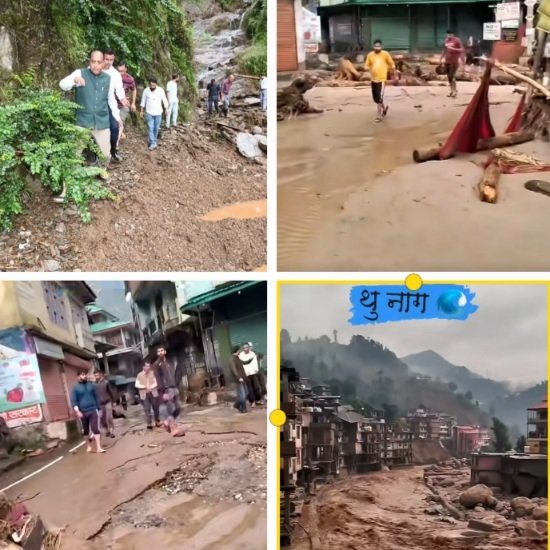
The catastrophe struck the Bhotekoshi-Trishuli corridor on August 26 after a massive glacier collapse and avalanche of ice, rock, mud and debris near the Nepal-China border.
The torrent destroyed homes, roads, bridges, hydropower infrastructure and communications networks and swept people and vehicles downstream.
The latest Reuters assessment puts the death toll at 626 in Nepal and seven in Tibet, while nearly 3,000 people remain missing on the two sides of the border. Around 540 foreign nationals are among those missing in the latest assessment.
The humanitarian crisis is now intersecting with a diplomatic war of words.
Questions are being raised over what information was available upstream, whether the developing threat could have been detected earlier through satellite, geological and hydrological monitoring, and whether adequate warnings reached communities downstream in time.
The border location has made the information question even more sensitive.
Critics argue that independent access to the Tibetan side remains limited, making it difficult to establish a complete and independently verifiable sequence of events.
At the same time, claims that China completely suppressed information need to be treated cautiously.
Chinese authorities have issued rescue updates and Chinese teams have reached the devastated Gyirong area.
The more critical question is whether information was available early enough, shared widely enough and independently verifiable enough to protect communities downstream.
The disaster has also exposed Nepal’s own preparedness gaps. Destroyed roads and bridges, communication blackouts and unstable terrain have made rescue operations extremely difficult and complicated efforts to establish the whereabouts of thousands still missing.
Nepal’s Foreign Ministry itself had earlier recorded hundreds of foreign nationals missing, including Indians, Chinese, Americans, Ukrainians, Australians and Britons.
The government has also established mechanisms for body identification, with Nepal Police displaying photographs of unidentified victims and uploading records to help families locate missing relatives.
The controversy now extends beyond rescue.
It raises questions about who knew what, when they knew it, why warnings may not have travelled downstream quickly enough, and why a disaster of such enormous cross-border dimensions initially met with resistance to international rescue assistance.
For India and the international community, the issue is no longer simply about offering help.
It is about ensuring that politics, sovereignty or diplomatic sensitivities do not stand between specialised rescue capabilities and people who may still be alive beneath tonnes of mud, rock and debris.
The Nepal-Tibet catastrophe is therefore becoming a test not only of Himalayan disaster preparedness, but also of cross-border transparency, humanitarian diplomacy and the willingness of governments to put human lives ahead of geopolitical calculations.
This framing keeps the Balen Shah government angle prominent, while avoiding the factually vulnerable claim that Nepal is still refusing all assistance.