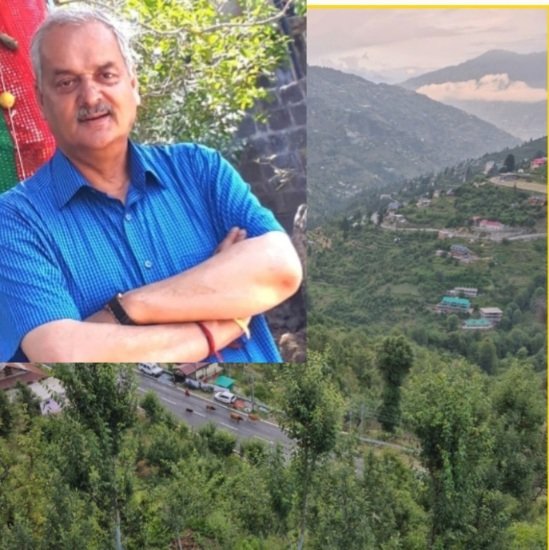
From Forgotten Staple to Superfood: Why Jau Sattu Deserves a Place Back on Our Diet Charts. Dr Vijay Singh Thakur Explains Why. Let's Protect and promite our Himalayan Heritage and Foods.
SHIMLA: This morning, as I opened a neatly packed one-kilogram pouch of barley (jau) sattu branded "Satluj" from Moorang-Ribba in Kinnaur, I felt a sense of satisfaction that went beyond food.
The silver-packed product with its convenient zip-lock seal represented something much bigger — entrepreneurship emerging from one of Himachal Pradesh's most remote regions and the revival of a traditional Himalayan food that once sustained generations of mountain people.
First, my heartfelt congratulations to the entrepreneurs of Kinnaur who have transformed a traditional village product into a professionally packaged brand available online and delivered directly to customers' doorsteps.
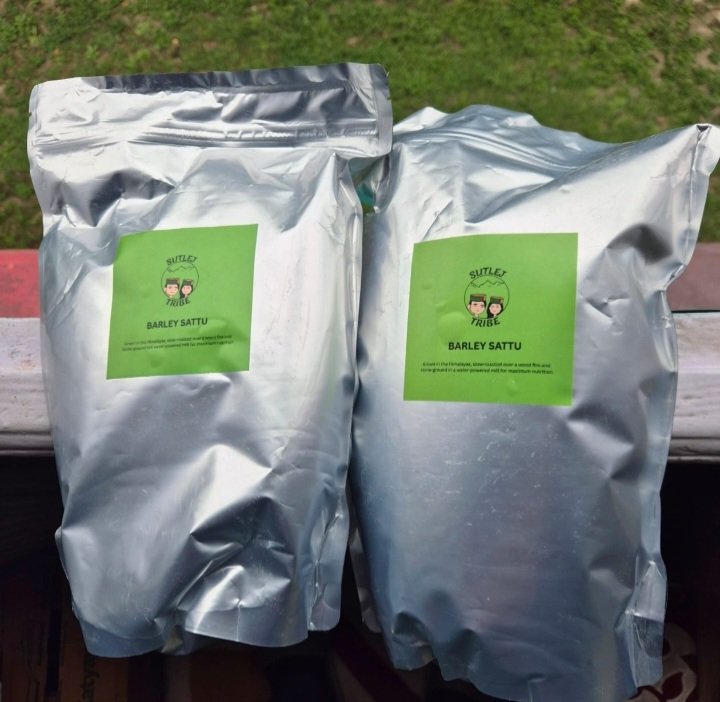
Good packaging does not guarantee quality, but it certainly reflects seriousness, hygiene and commitment to consumers.
What makes this product truly special, however, is not the packaging but the grain itself.
Barley sattu is one of the most nutritious traditional foods available to us. Rich in proteins, dietary fibre, minerals and Vitamin B, it contains beta-glucan, a soluble fibre now widely recognized by nutrition experts for its health benefits.
It helps regulate bowel movement, promotes digestive health and slows the release of sugar into the bloodstream, preventing sudden spikes in blood glucose levels.
Ironically, the same food that our ancestors consumed out of necessity is today being rediscovered by urban elites as a "superfood" in the fight against diabetes and lifestyle diseases.
Before the 1970s, barley and potato were the two dominant crops across much of Upper Shimla.
The cool climate and long growing season produced excellent quality grain. In many households, sattu formed a major meal of the day. Jau ki roti accompanied by mash dal was common fare in villages stretching from Rohru and Jubbal to Kinnaur.
Barley is a coarse cereal with a sharp husk. Traditionally, it was roasted before being ground into flour or sattu.
The roasting process not only improved taste but also enhanced digestibility and unlocked many nutritional properties of the grain.
The result was a highly nutritious food rich in proteins, soluble and insoluble fibres, minerals and vitamins.
I still prefer eating sattu the traditional way.
A bowl of sattu is spread on a thali and mixed with a little salt for a savoury taste. Water is added gradually only to the portion being eaten because barley flour absorbs moisture quickly and can become lumpy.
Using the index finger, small portions are consumed slowly and comfortably. This simple meal is surprisingly filling and energizing.
Today, many people consume it as a summer drink. A large spoonful stirred into a glass of water creates a refreshing beverage that provides sustained energy without burdening the digestive system.
Unlike many commercial energy drinks, it derives its strength entirely from nature.
The growing recognition of barley's nutritional value is also reflected in scientific research.
The Indian Council of Agricultural Research (ICAR) has strengthened its focus on barley research through the Indian Institute of Wheat and Barley Research at Karnal, recognizing the crop's immense potential in improving human nutrition and combating lifestyle diseases.
What saddens me is that many traditional Himalayan foods disappeared from urban dining tables as people increasingly equated modernity with packaged and processed foods. Jau sattu, once a staple among Kinnauris and Pahadi communities, gradually vanished from the diet charts of city dwellers.
Now, as diabetes, obesity and digestive disorders become widespread, people are turning back to the wisdom of their ancestors.
The same humble barley that mountain farmers cultivated for centuries is making a comeback.
Perhaps this is nature's way of reminding us that the healthiest foods are often those that grow closest to our homes and have stood the test of generations.
The success of Satluj Barley Sattu from Moorang-Ribba is therefore more than a business story.
It is a story of cultural revival, nutritional awareness and rural entrepreneurship. It proves that traditional Himalayan foods can compete in modern markets without losing their authenticity.
As someone deeply connected with the mountains and their agricultural heritage, I sincerely hope more such initiatives emerge from our villages.
The future of healthy eating may well lie in rediscovering the foods that our grandparents never abandoned.
For those searching for a healthy, fibre-rich and diabetes-friendly diet, the answer may not be hidden in imported health foods but in a humble bowl of Jau Sattu from the cold deserts of Himachal Pradesh.