Noble Laureate Rabindranath Tagore Sang It First. 150 Years Later, India Sings Again.
Shimla, November 7, 2025:
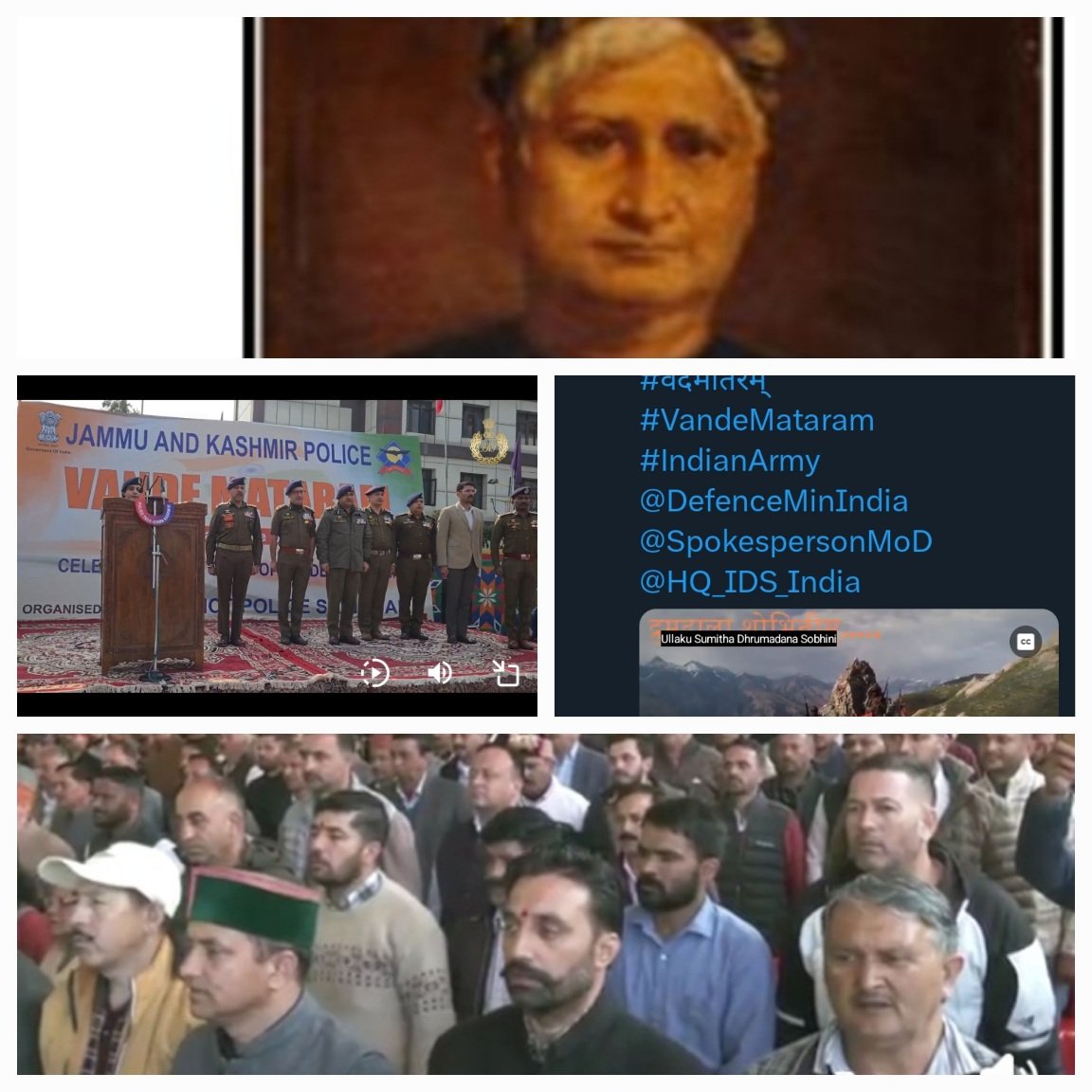
When the renowned poet Rabindranath Tagore stood at the 1896 Congress Session in Calcutta and sang Vande Mataram for the first time, he gave the freedom movement a melody that would become its heartbeat.
One hundred and fifty years after the song first appeared in Bangadarshan on 7 November 1875, the nation rose today to honour that timeless anthem.
But as India sang together, one discordant note hung in the air — the Congress, custodian of the song’s earliest legacy, remained strikingly silent, while BJP-ruled states turned the celebration into a full-blown patriotic spectacle.
The Song That Sparked a Movement
Vande Mataram did not arrive as a political slogan. It arrived as literature.
It appeared first in Bangadarshan, the journal founded by Bankim Chandra Chatterjee.
It entered Anandamath in 1882. By 7 August 1905, it had become the battle cry of the anti-partition movement.
Tagore’s music later carried it across the subcontinent.
From the Barisal crackdown of April 1906, to the Bombay crowds singing it during Tilak’s trial in June 1908, the song travelled through repression and resistance.
From Stuttgart in 1907, where Madam Cama unfurled a flag inscribed with its words, to London in 1909, where Madan Lal Dhingra whispered “Bande Mataram” before the gallows — its echo never dimmed.
A Historic Status
On 24 January 1950, Dr Rajendra Prasad settled its constitutional place.
He declared that Vande Mataram, which played “a historic part in the struggle for freedom,” would be honoured equally with Jana Gana Mana.
The House agreed without debate. A symbol was sealed.
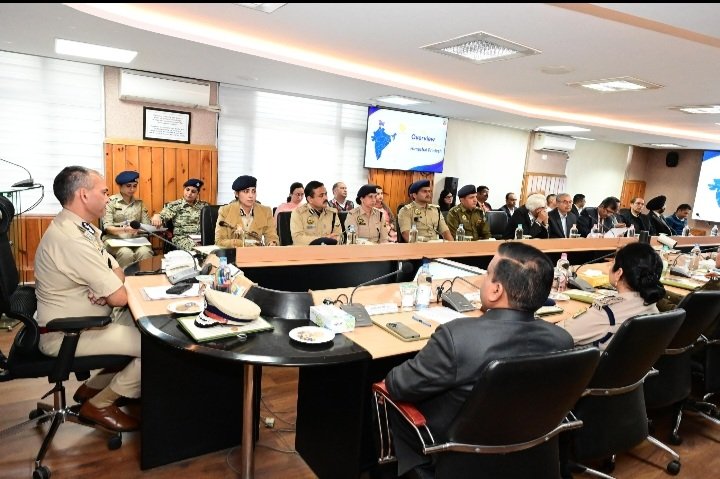
Today, India marked the 150-year milestone with scale and sentiment.
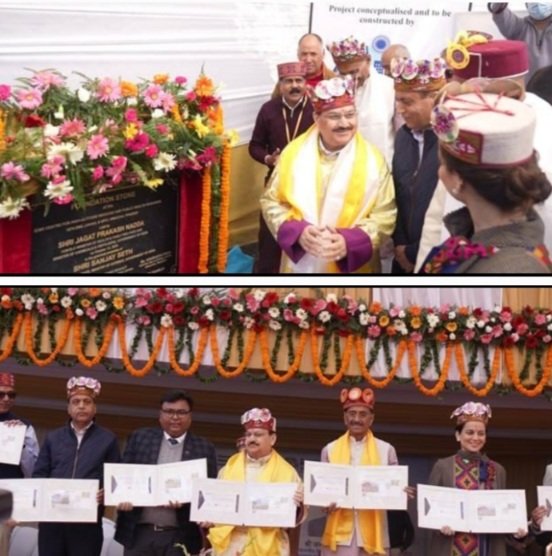
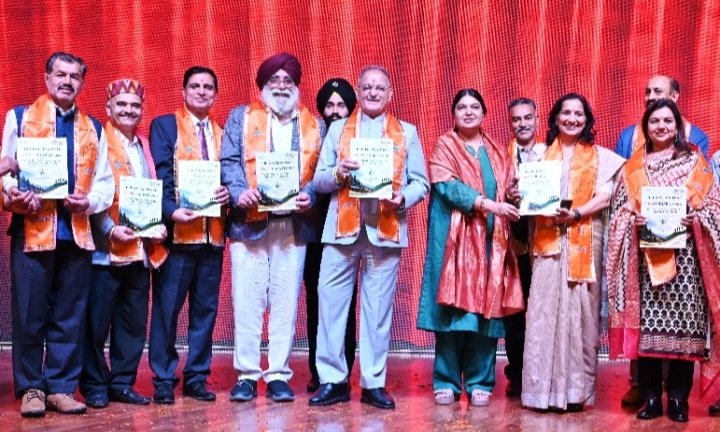
The national event at Indira Gandhi Stadium launched a commemorative stamp, coin, an exhibition and a short film.
States were asked to hold programmes down to the tehsil level. AIR and Doordarshan rolled out year-long campaigns.
Indian missions planned global cultural evenings.Tree plantations, murals, and LED displays carried the theme: Vande Mataram — Salute to Mother Earth.
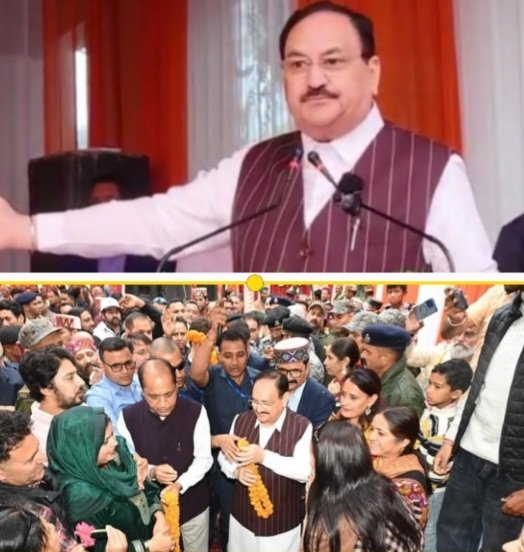
Across BJP-ruled states, the celebration took on a fervent tone. Raj Bhavan in Shimla organised mass recitations. Governors sang it with schoolchildren.
Chief Ministers tweeted videos of tens of thousands joining the chorus.Party workers turned it into a near-campaign rally in poll-bound Bihar.
The BJP projected the anniversary as a reaffirmation of cultural confidence and nationalist pride — a symbolism the party has long leaned on.
And Congress… Stayed Quiet
The silence surprised many.After all, it was a Congress session that first showcased the song to India.
It was Congress leaders who carried it through the national movement.
It was the Congress-era Constituent Assembly that honoured it with equal status.
But on this milestone day, the party made no major statement. No flagship event. No visible national presence.
In contrast to the BJP’s loud, coordinated push, Congress’s quietness looked almost deliberate.
Even some within the party admitted privately that “cultural symbolism has become political territory the Congress avoids.”Especially when the BJP uses it aggressively in election season.
Bihar Elections Add Edge to the Moment
With Bihar heading into a crucial political battle, the anniversary had a sharper undertone.
In a state where emotional issues often sway voter sentiment, the BJP used the day to pitch cultural nationalism.
Congress confined itself to standard election messaging, refusing to engage on symbolic ground.
The difference was stark. The BJP sought to own the patriotic fervour.
The Congress ceded the space without contest.
A Song of Unity, A Story of Politics. India’s tribute today was genuine, emotional and deeply rooted in memory.
But the political backdrop ensured the day carried two narratives:
A nation remembering a freedom-era anthem.
A ruling party amplifying patriotic mood for political advantage. Vande Mataram once united a country rising against colonial power.
Today, it still unites — but the politics around it reveals how symbols can both bind and divide.
On its 150th year, the song lives on with full force.
The nation sang it. BJP celebrated it. And Congress — ironically the party that first gave it a platform — let the moment pass in silence.