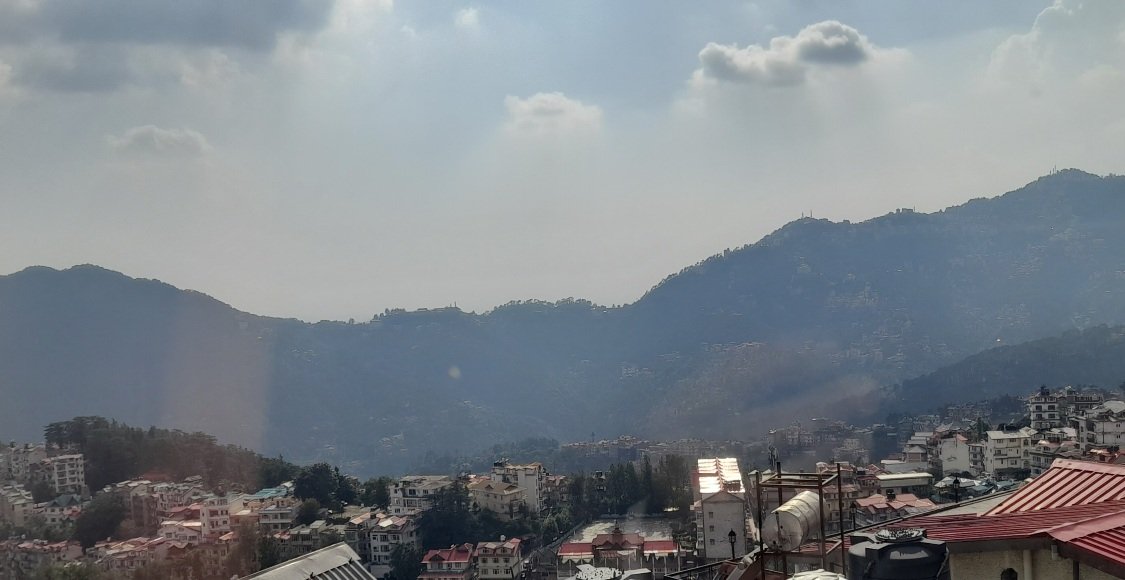
SHIMLA, AUGUST 7: The worsening water crisis in the state capital has once again exposed glaring weaknesses in Shimla's drinking water schemes.
The residents across most city wards struggling for water even after three to four days while supply has reportedly been reduced to nearly one-third of normal levels.
The immediate trigger is the failure of a newly installed transformer under the Satluj Lift Water Supply Scheme, which reportedly burnt out just months after being commissioned.
The breakdown has severely affected pumping operations from the Satluj, further aggravating the crisis at a time when the Guma and Giri water supply schemes are already operating below capacity due to high turbidity caused by monsoon silt in the Nauti Khad and the Giri River.
Residents allege that only a few VIP localities, where ministers and senior bureaucrats reside, continue to receive relatively regular water supply, while large parts of the city face prolonged shortages. The SJPNL has resorted to rationing as the fault remains to be fixed while SMC, SJPNL remains silent spectator.
The transformer failure has also raised serious questions over the execution of the Satluj Lift Scheme.
If the State Government has held the contractor accountable for the allegedly faulty transformer, why was such equipment accepted and installed in the first place?
Why was the transformer installed through the executing contractor Sai Engineering, instead of the technically experienced HP State Electricity Board?
Equally important, what contingency arrangements existed in case such a critical component failed?
The crisis has brought the functioning of Shimla Jal Prabandhan Nigam Limited (SJPNL), the Jal Shakti Department and the Shimla Municipal Corporation under public scrutiny.
Citizens are questioning who is ultimately accountable for ensuring uninterrupted drinking water supply to the capital city despite repeated claims of infrastructure upgrades costing hundreds of crores of rupees.
Another question being raised is why no long-term measures have been implemented during the past four years to reduce monsoon silt entering the water sources.
Experts and residents point out that check dams, coffer dams and sediment control structures could have reduced turbidity in the Giri River and Nauti Khad, yet every monsoon the city is pushed into the same avoidable crisis.
The situation has become even more difficult with the peak tourist season adding pressure on already depleted supplies.
Residents say there appears to be no comprehensive mitigation plan to deal with recurring turbidity, emergency power failures or equipment breakdowns.
They also demand transparency regarding the quality of transformers and other electrical equipment installed under the new water schemes.
Even HPSEBL has failed to provide regular electricity supply to run the pumps.
Many citizens recall that when the city's water supply system was managed directly by the Shimla Municipal Corporation, emergency response was quicker and more responsive.
They argue that despite annual increases in water charges, consumers today are receiving poorer and increasingly irregular service.
SJPNL blames it on high turbidity level and erratic power supply, but the residents hold SJPNL responsible as it is making money.
Even councillors are raising question about the emergency preparedness of both HPSEBL and SJPNL.
Does the pumping system have standby transformers and backup electrical infrastructure?
If not, why has no redundancy been created for such a critical public utility?
What is the purpose of spending hundreds of crores on drinking water projects if a single equipment failure can leave an entire capital city without water?
Kangnadhar Councillor Ram Ratan Verma has demanded that the Mayor immediately convene a special meeting of the Municipal Corporation House to discuss the worsening crisis.
He said councillors are unable to face the public as angry residents continue to suffer without adequate water.
Verma has urged Mayor Surinder Chauhan to convene the meeting without delay and appealed to the Municipal Commissioner to use his good offices to ensure immediate remedial measures.
He has also called upon SJPNL to put advance contingency plans in place so that the people of Shimla are not left at the mercy of equipment failures or adverse weather.
As the monsoon continues, the recurring water shortages have once again highlighted the urgent need for durable infra, effective silt management, reliable backup systems and clearly defined institutional accountability before Shimla's annual water crisis becomes the new normal.
#ShimlaWaterCrisis #WaterGovernance #InfrastructureFailure #AccountabilityNow