NEW DELHI/ SHIMLA/ DEHRADUN: India enters the world’s top tourism economies, but its 5.22% GDP contribution exposes a bigger question: Is India converting tourist footfall into economic value?
India’s tourism industry has staged a remarkable recovery from the devastation caused by the Covid-19 pandemic, with domestic tourist visits crossing pre-pandemic levels and international arrivals recovering strongly.
Yet beneath the celebratory statistics lies an uncomfortable contradiction: India is attracting record numbers of tourists, but a large section of the hotel and hospitality industry—particularly in the Himalayan states—continues to complain of losses, weak occupancy and inadequate recovery since 2020.
The paradox becomes sharper when India is compared with the world's leading tourism economy. India has emerged among the top eight Travel & Tourism economies globally, with a contribution estimated at around US$231.6 billion.
But the United States, the world's largest Travel & Tourism economy, generated approximately US$2.36 trillion—more than ten times India's tourism-related economic contribution.
The comparison exposes the central weakness of India's tourism model. India has enormous tourist volume and extraordinary tourism assets, but it is still not extracting enough economic value from every visitor.
Tourism has recovered—but recovery in numbers is not recovery in profitability
India recorded around 2.9 billion domestic tourist visits in 2023-24, exceeding pre-pandemic levels, while international tourist arrivals reached approximately 2.02 crore in 2025. International tourism receipts were close to US$31.7 billion.
These numbers confirm that the pandemic-era collapse in tourism has been reversed. However, tourist visits are not the same as unique tourists, and visitor numbers do not automatically translate into hotel revenues.
A tourist may visit a destination for a day, stay with relatives, use a homestay or apartment, travel on a low-cost package or spend most of the holiday outside the formal hospitality sector. Consequently, a destination can be packed with tourists while individual hotels remain financially stressed.
This distinction is becoming increasingly important in the Himalayan states, where tourism businesses report that the post-Covid revival has not necessarily restored profitability.
India contributes only 5.22 per cent of GDP through tourism
According to the government data cited in the tourism sector assessment, tourism contributed ₹15.73 lakh crore to India's GDP in FY 2023-24, equivalent to 5.22 per cent of the economy, while tourism and hospitality supported approximately 84.6 million jobs.
The numbers establish tourism as a major employment and economic activity. But they also show the enormous untapped potential.

Globally, the World Bank estimates that tourism contributed approximately US$10.9 trillion, or around 10 per cent of global GDP, in 2024, supporting about 357 million jobs.
India's tourism economy therefore has considerable space to expand its contribution—not simply by attracting more visitors, but by increasing visitor expenditure, length of stay and local economic retention.
America provides the clearest lesson.The United States offers perhaps the most revealing comparison.
The US Travel & Tourism economy was valued at approximately US$2.36 trillion, compared with India's US$231.6 billion. In other words, America's tourism economy is roughly 10 times larger than India's.
The difference cannot be explained simply by foreign tourist arrivals. In fact, countries such as France and Spain attract more international visitors than the United States.
The American advantage comes from a massive domestic travel market combined with business tourism, entertainment, sports, conventions, theme parks, cruises, national parks, luxury travel and high tourist expenditure.
The lesson for India is clear: the world's largest tourism economy is not necessarily the country with the most foreign visitors; it is the country that converts travel into the greatest economic activity.
India has the assets—but not yet the economic yield
India arguably possesses a tourism portfolio more diverse than most countries.
It has ancient civilisations, 44 UNESCO World Heritage Sites, 106 National Parks, 18 Biosphere Reserves, the Himalayas, beaches, islands, wildlife, pilgrimage centres, festivals, handicrafts, cuisine, Ayurveda, yoga, medical tourism and vast rural landscapes.
India is simultaneously a spiritual, cultural, wellness, adventure, wildlife, heritage, medical, rural and business tourism destination.
The problem is therefore not lack of attractions. The problem is monetisation.
India must increase the amount tourists spend, the number of nights they stay and the proportion of their expenditure that reaches local businesses.
The hotel industry is experiencing the other side of the tourism boom
This is where the official success story meets the ground reality.
Across several Himalayan destinations, hoteliers continue to complain that business has not fully recovered since 2020. Their argument is not necessarily that tourists have disappeared. Their complaint is that the economics of hosting those tourists have deteriorated.
The number of accommodation units has increased substantially in many destinations. Hotels are competing with guesthouses, homestays, serviced apartments and online accommodation platforms.
When room inventory expands faster than demand, average occupancy can decline even when tourist numbers rise.
A hotel may therefore be completely sold out during a few peak weekends but operate at weak occupancy for much of the year. Annual profitability depends on the latter as much as the former.
Tourist footfall is not the same as hotel occupancy
The distinction is particularly important in Himachal Pradesh, Uttarakhand, Jammu and Kashmir and other Himalayan tourism economies.
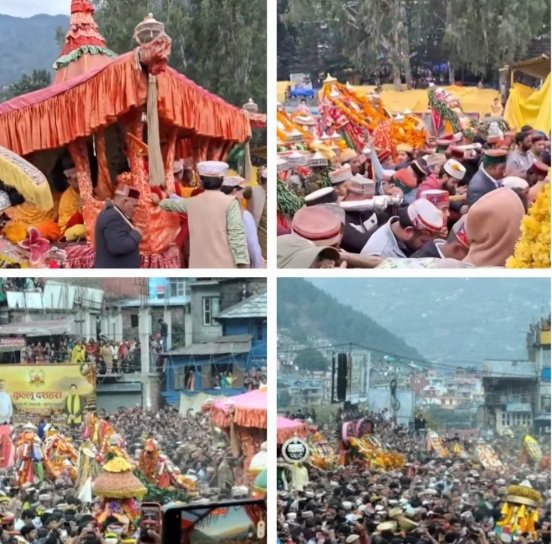
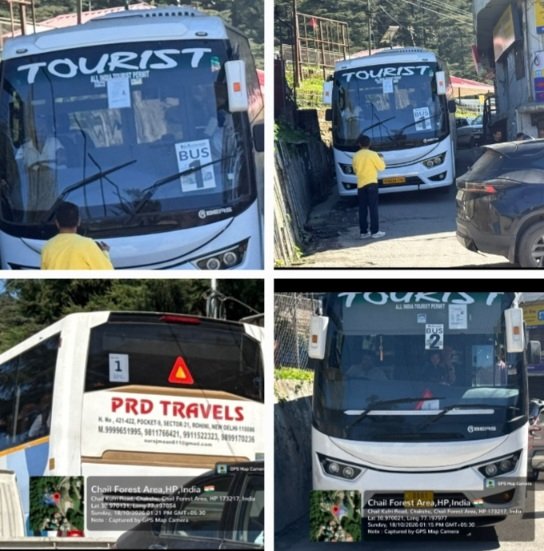
Tourists increasingly have multiple accommodation choices. Some arrive in private vehicles, stay for only one or two nights and leave without generating substantial local spending.
Others stay in homestays or rented apartments. This means that headline tourist-arrival figures can create an exaggerated impression of the financial health of the organised hotel sector.
The industry needs to look beyond arrival numbers and monitor: annual hotel occupancy; - average length of stay;,- average daily room rate; revenue per available room; tourist expenditure per day; seasonal demand; number of accommodation units; local employment generated; and expenditure retained within the destination.
Without such indicators, tourism policy risks celebrating footfall while ignoring profitability.
More hotels can actually worsen the problem.There is another uncomfortable economic reality.
Adding hotel rooms does not necessarily create additional demand.
If 1,000 new rooms are constructed in a destination where demand is growing by only 500 rooms, the result is not necessarily more tourism. It can simply mean lower occupancy and greater price competition.
Established hotels then face pressure to discount rooms, while simultaneously dealing with rising electricity, food, labour, maintenance, financing and regulatory costs.
The result can be higher tourist numbers but lower margins.
This is one explanation for the complaints emerging from traditional hotel operators in Himalayan destinations.
India needs to move from high-volume to high-value tourism.
The next phase of India's tourism strategy should therefore not be based exclusively on increasing visitor numbers.
The focus must shift towards high-value tourism.
A foreign visitor staying for ten days and spending substantially on hotels, restaurants, wellness, transport and experiences can generate far more economic value than several short-stay visitors.
Similarly, a domestic tourist spending five or six days across a regional circuit can generate more economic activity than a visitor who arrives for a weekend and returns home.
India should therefore measure success increasingly through tourist expenditure and length of stay rather than arrivals alone.
Spiritual tourism can increase regional economic value
India's enormous pilgrimage economy provides one of the easiest opportunities to increase visitor spending.
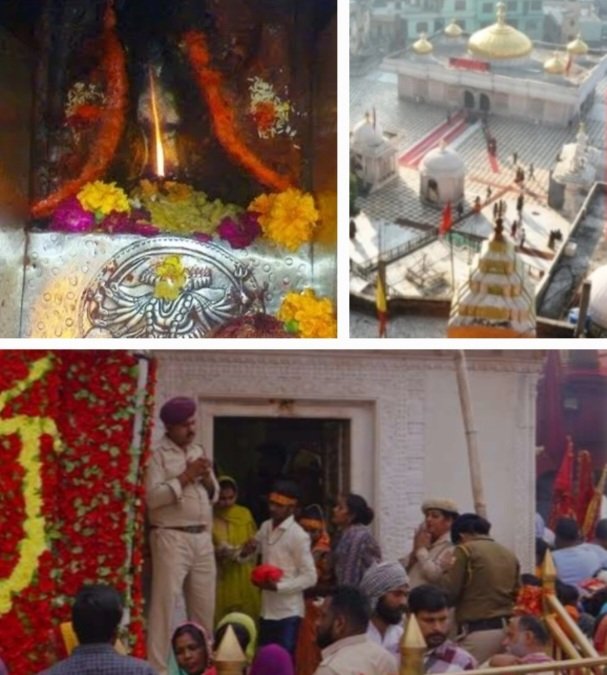
Char Dham, Kashi, Ayodhya, Bodh Gaya, Amritsar, Tirupati and Puri attract millions of visitors.
But many pilgrimage destinations remain dominated by short-duration travel.
The challenge is to develop regional circuits around major religious destinations, encouraging visitors to explore nearby heritage sites, villages, museums, cuisine and cultural attractions.
One pilgrimage destination can therefore become the gateway to a multi-day tourism circuit.
Rural tourism can distribute the economic benefits. Homestays and village tourism can also address the concentration of tourism income in major towns.
Village walks, farm experiences, traditional food, handicrafts and indigenous cultural experiences can direct tourist expenditure towards rural households.
For Himalayan states, this is particularly important.
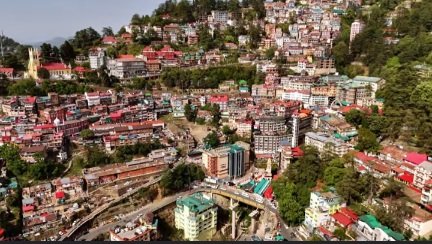
Instead of concentrating millions of visitors in Shimla, Manali, Dharamshala or other established centres, tourism policy should create attractive alternatives across smaller destinations.
This would simultaneously reduce overcrowding and distribute tourism income.
Wellness and medical tourism offer higher-value opportunities
Yoga, Ayurveda, naturopathy and medical treatment can attract visitors who stay longer and spend more.
India's combination of traditional wellness systems, medical expertise and comparatively competitive treatment costs provides an important international advantage.
The opportunity is to develop integrated wellness destinations rather than treating wellness tourism simply as a hotel service.
MICE tourism can fight seasonality. Business events, conferences and exhibitions can provide another solution to the hotel industry's seasonal problem.
MICE visitors generally require accommodation, conference facilities, transport, food and entertainment.
A destination that attracts major conferences during its traditionally weak tourism months can improve annual hotel occupancy.
This is particularly relevant for hill states, where the tourism economy remains heavily dependent on short peak seasons.
Infrastructure is improving—but destination management remains the bigger challenge. India has invested heavily in tourism infrastructure.
Under Swadesh Darshan, 76 projects worth more than ₹5,295 crore were sanctioned across 14 thematic circuits, with 75 physically completed. Swadesh Darshan 2.0 has sanctioned 53 projects worth ₹2,207.08 crore using a destination-centric model.
Under PRASHAD, 54 projects worth more than ₹1,726 crore have been sanctioned for pilgrimage and heritage destinations.
The figures show that the government is moving away from isolated monuments towards integrated destination development.
But infrastructure alone will not solve the tourism industry's profitability problem.
A new road may bring more tourists. A new airport may increase arrivals. A new hotel may increase room capacity.
But unless visitors stay longer and spend more, the economic return remains limited.
Connectivity must connect tourism circuits—not just destinations
Roads, railways, airports, Vande Bharat trains, UDAN services and last-mile connectivity are crucial.
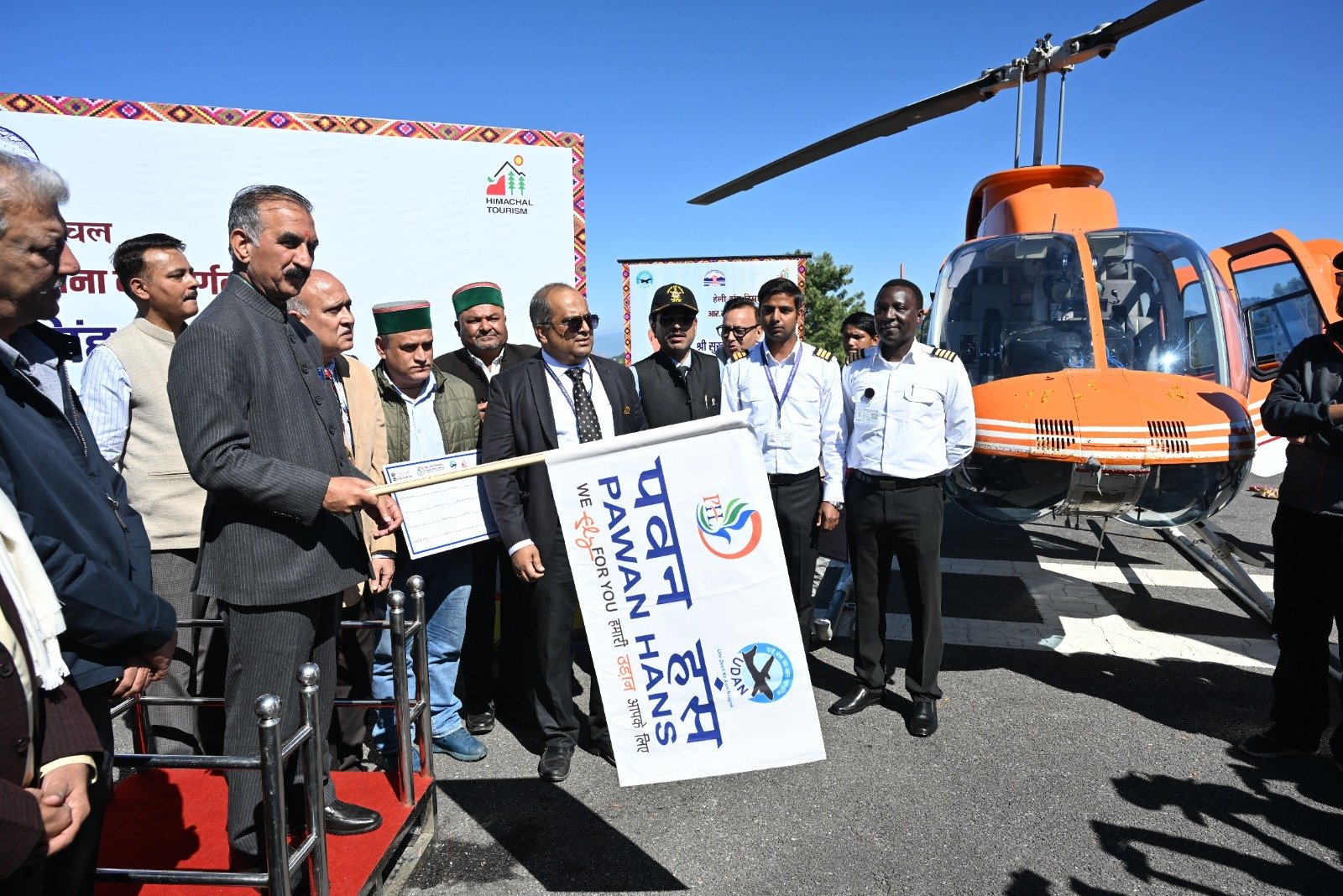
The proposed Viksit UDAN programme, with an outlay exceeding ₹28,840 crore, is expected to expand regional air connectivity through new aerodromes and helipads.
For the Himalayan region, connectivity can open new destinations.
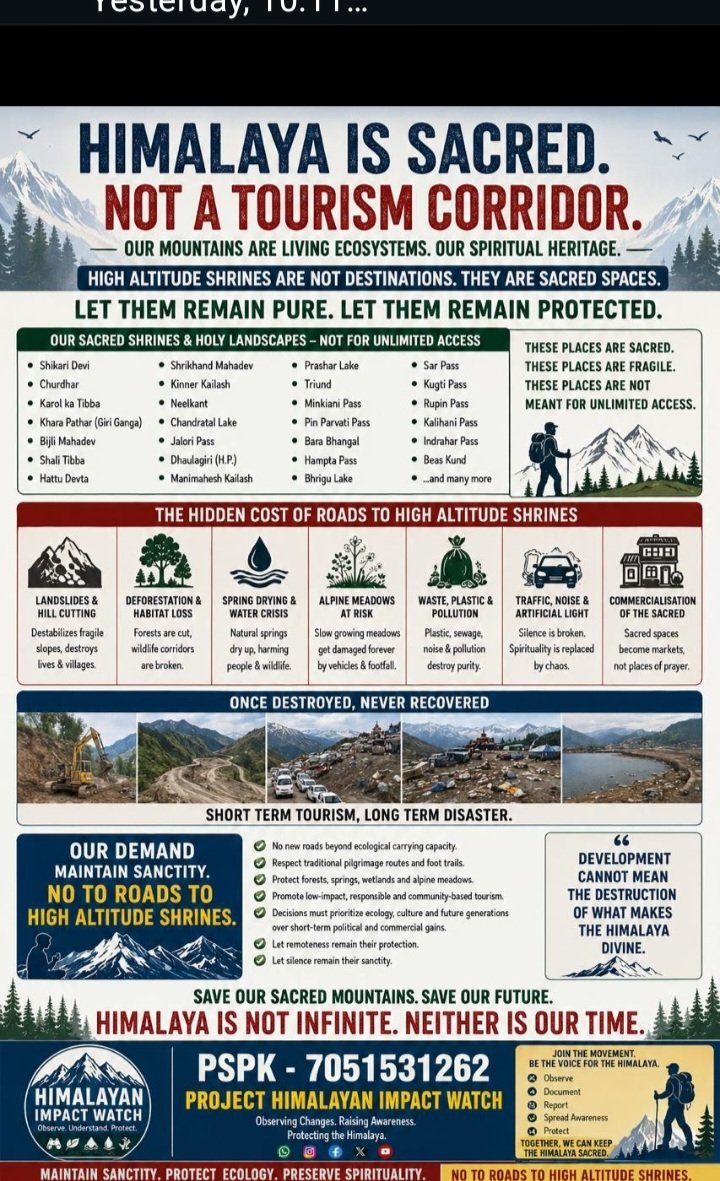
But connectivity must be accompanied by carrying-capacity assessments, parking, public transport, waste management, water availability and emergency services.
Otherwise, better connectivity may simply deliver more vehicles into already overcrowded destinations.
The Himalayan warning: tourism cannot grow indefinitely through numbers
The Himalayas are particularly vulnerable to an uncontrolled volume-based tourism model.
Fragile slopes, limited road capacity, water shortages, waste disposal problems, extreme weather and natural disasters impose physical limits on tourist numbers.
The future of Himalayan tourism therefore cannot be “more tourists at any cost.”
It has to be: fewer overcrowded peak periods, longer stays, higher spending, better local retention and stronger environmental safeguards.
That model could actually be more profitable for hotels while simultaneously reducing pressure on the environment.
India has already achieved recovery. The next target must be profitability.
The biggest conclusion emerging from the data is that India has successfully crossed the first stage of post-Covid tourism recovery.
Tourist visits have recovered. International arrivals have returned. Tourism has re-established itself as a major employer.
India is now among the world's top eight Travel & Tourism economies.
But the country remains far behind the United States in tourism-generated economic value.
The US generates approximately US$2.36 trillion, compared with India's US$231.6 billion.
That ten-fold gap is not merely a weakness. It is an enormous opportunity.
India does not need to imitate America's tourism model. It needs to exploit its own unique advantages more effectively.
The real tourism question for India
The central question for policymakers should no longer be: “How many tourists came to India?”
It should be: “How much economic value did each tourist generate—and how much of that value remained with local communities and tourism enterprises?”
That change in thinking is critical. Because the experience of Himalayan hoteliers demonstrates that a crowded destination can still have an unprofitable tourism economy.
India has the heritage, geography, spirituality, culture and domestic market to become one of the world's most powerful tourism economies.
But the next phase must convert tourist volume into tourist value.
The ultimate test of India's tourism success will not be a record number of visitors standing at an attraction.
It will be whether hotels become financially viable, workers receive better incomes, rural communities benefit, tourists stay longer, local businesses prosper and destinations remain environmentally sustainable.
India has already won the battle for tourist numbers. The much harder battle now is to win the battle for tourism value.
#IndianTourism #TourismEconomy #HimalayanTourism #HimbuMail