Environmental and Public Health Accountability of the Pilgrimage Langars in the Himalayas
SHIMLA: As the annual pilgrimage season gathers momentum across the Himalayas, I find myself increasingly concerned about a growing environmental and public health challenge that receives far less attention than it deserves.
Every year, thousands of devotees undertake arduous journeys to sacred shrines nestled amidst forests, mountain meadows and fragile alpine ecosystems.
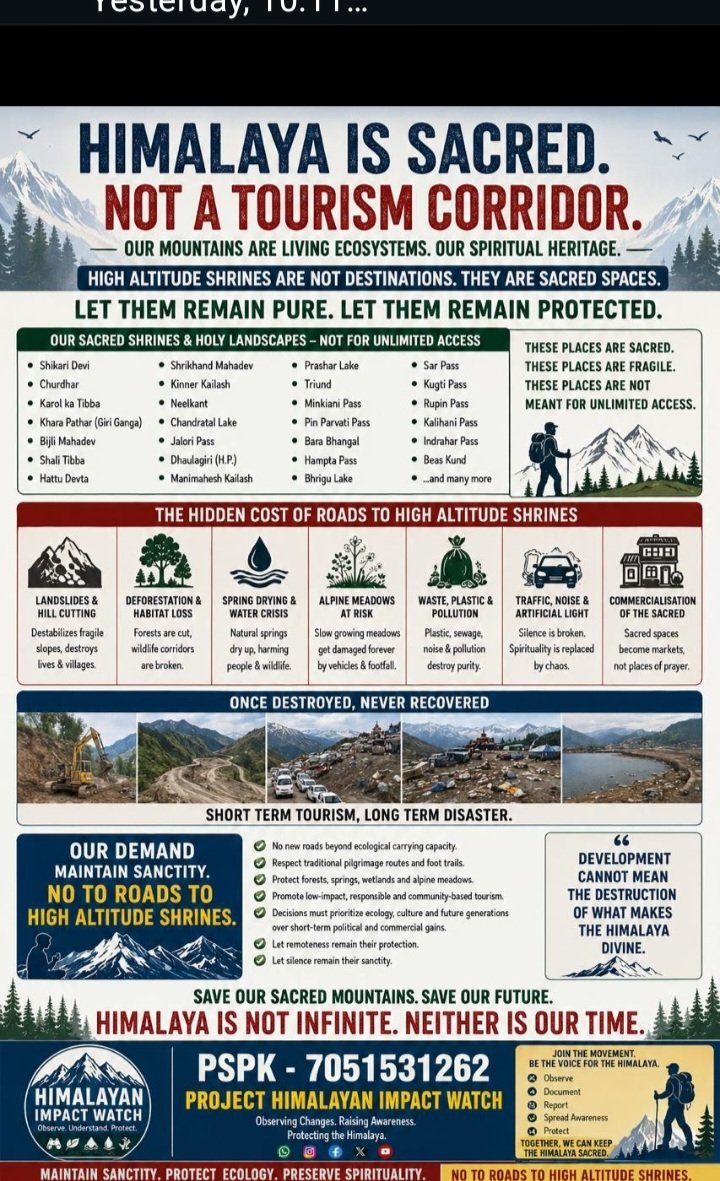
Across the western Himalayas, several popular pilgrimage and trekking destinations illustrate the scale of the challenge. Routes leading to sacred sites such as Churdhar, Shikari Devi Temple, Giri Ganga–Kupar Peak, Chanshal Pass, Kamrunag Temple, Jalori Jot, Hatu Peak, Sri Khand, and many othwrs witness a seasonal influx of pilgrims and tourists.
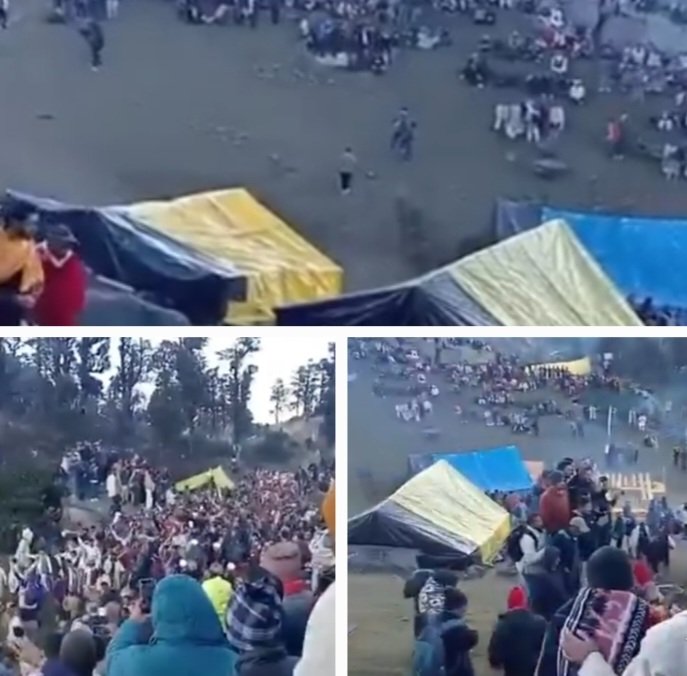
Along these pilgrimage routes, countless langars, makeshift dhabas, temporary tents and food stalls spring up to serve pilgrims.
The spirit behind these initiatives is admirable. Feeding pilgrims is a noble act deeply rooted in our traditions of faith, charity and service.
However, an uncomfortable question must be asked: who is responsible for the environmental and public health consequences that accompany these temporary establishments?
Permissions for such langars and temporary facilities are generally granted by local administrations through the offices of Sub-Divisional Magistrates.
Yet the focus remains largely on crowd management, traffic regulation and law-and-order arrangements. Environmental safeguards and food safety standards rarely receive the same degree of scrutiny.
During visits to several Himalayan pilgrimage routes, we have repeatedly observed large quantities of disposable plates, plastic bottles, food wrappers and packaging material accumulating along trekking paths, forest edges and high-altitude camps. Once the pilgrimage season concludes, only a handful of organisers appear to ensure complete removal of the waste they generate.
What concerns me most is that there is virtually no accountability mechanism to ensure that this garbage is collected and transported back from these remote mountain regions.
From the base camps to the highest pilgrimage points, disposable waste is often left scattered across the landscape.
In many places, the waste is simply burned in the open or buried in nearby forest areas. Neither practice solves the problem.
Open burning releases toxic pollutants into pristine mountain air, while buried waste contaminates soil and water sources and remains hidden rather than properly disposed of.
The issue extends beyond environmental degradation. Thousands of pilgrims consume food prepared in temporary kitchens operating under varying standards of hygiene.
Yet there is little publicly available information regarding the health status of cooks, food handlers and volunteers who prepare and distribute food.
This raises several important public health questions. Have food handlers undergone medical screening for communicable diseases?
Are temporary kitchens being inspected by health authorities? Is potable water being used for cooking and cleaning? Are food ingredients being stored safely? Who assumes responsibility if contaminated food leads to illness among pilgrims?
Faith should never be treated as an exemption from basic public health standards.
The Himalayan ecosystem is among the most fragile in the world. Its forests, springs, rivers and wildlife habitats are already under pressure from expanding tourism, infrastructure projects and climate change.
Pilgrimage management must therefore evolve beyond traditional administrative concerns and incorporate environmental stewardship and public health accountability.
In my view, permissions for langars, temporary eateries and roadside camps should be linked to mandatory waste-management plans.
Organisers should deposit refundable environmental security funds, adopt strict "Carry In-Carry Out" waste policies, use reusable utensils or certified biodegradable alternatives, and provide geo-tagged evidence showing the condition of sites before and after their activities.
Similarly, medical fitness certificates for food handlers and periodic food-safety inspections should become mandatory. Organisers found violating environmental or sanitation norms should face penalties and denial of future permissions.
Service to pilgrims is undoubtedly a sacred act. But service to the Himalayas is equally sacred.
The true measure of devotion should not be confined to the quantity of food distributed. It should also be reflected in our commitment to ensuring that forests remain cleaner, rivers remain unpolluted and mountain trails remain free from the garbage generated in the name of faith.
As pilgrim numbers continue to rise every year, the question before us is simple: can we feed the faithful without burdening the mountains that sustain these journeys? The Himalayas deserve nothing less than our full responsibility.
#Himalayas
#PilgrimagePollution
#WasteManagement
#EnvironmentalAccountability
#PublicHealthSafety
RESPONSES:
IMI has been insisting on Distt Environment Agency with separate budget, experts ,equipments and full participation of civil society..
We have learnt that Kerala is planning something similar.
-INTEGRATED MOUNTAIN INITIATIVE, A CIVIL SOCIETY GROUP ACTIVE IN HIMALAYAN STATES