My Char Dham Yatra : A Journey of Faith, Patience and Growing Concerns for the Himalayas. Would NGT Intervene?
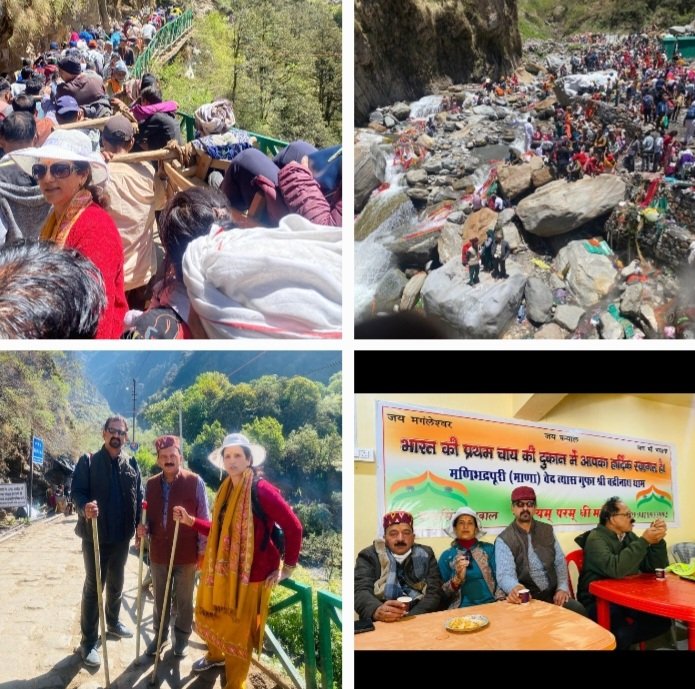
KEDARNATH/GANGOTRI: I recently completed the Char Dham Yatra, visiting Kedarnath, Badrinath, Gangotri and Yamunotri.
The pilgrimage was spiritually uplifting and gave me an opportunity to witness the immense faith that draws lakhs of devotees to Uttarakhand every year.
However, it also exposed serious challenges that need urgent attention if the Char Dham Yatra is to remain both spiritually fulfilling and environmentally sustainable.
The first thing that struck me was the sheer scale of religious tourism. Pilgrim numbers are growing rapidly, and the local economy is clearly benefiting. Yet, in many places, the infrastructure appears unable to cope with the pressure.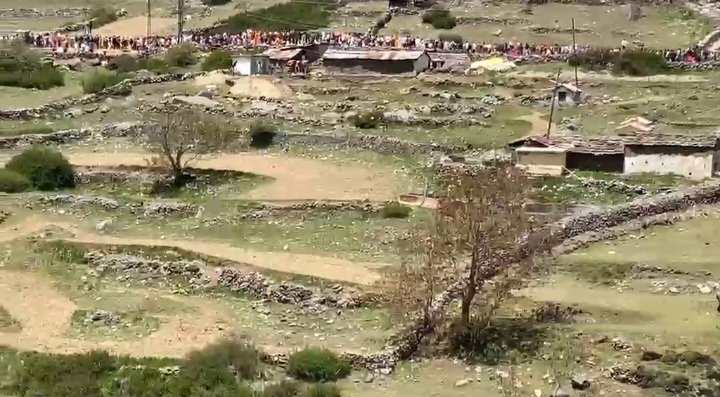
Traffic was by far the biggest challenge during my journey. At several locations, road conditions were poor and traffic jams stretched for kilometres.
While I saw police personnel in many small towns, I rarely came across trained mobile traffic police actively managing congestion.
In many places, vehicles remained stuck for hours without any visible effort to streamline movement.
My worst experience was near Joshimath, where traffic remained virtually at a standstill for nearly five to six hours.
Equally frustrating was the stretch between Phata, Sirsi and Gaurikund. Covering a distance of just seven to eight kilometres took three to four hours.
Such delays exhaust pilgrims and create avoidable stress during what should be a peaceful spiritual journey.
I believe the government must deploy dedicated traffic management teams, use technology for real-time monitoring and regulate vehicle movement during peak pilgrimage months.
What disturbed me even more was the growing ecological pressure around Kedarnath.
During my stay at Sirsi, helicopter operations began as early as 6 am and continued throughout the day. Every few minutes another helicopter took off or landed.
The noise was relentless. The vibrations and echoes filled the valley from morning till evening.
Standing there, I could not help but wonder about the impact on the fragile Himalayan ecosystem.
The constant helicopter noise is bound to affect local wildlife, birds and the overall serenity of the region.
While helicopter services are undoubtedly important for senior citizens, emergencies and those unable to undertake the trek, there must be a limit.
The authorities need to scientifically assess the environmental carrying capacity of the region.
In my view, the National Green Tribunal should examine the issue, just as it has intervened in other ecologically sensitive mountain destinations.
Food and accommodation facilities also left room for improvement. I found the quality of food at many hotels and roadside dhabas to be average, while hygiene standards varied considerably. Regular inspections are needed to ensure pilgrims are not exposed to health risks.
I was also surprised by the absence of local cuisine. Visitors travel from across the country to experience the culture of Uttarakhand, yet traditional Garhwali dishes were rarely available.
Promoting local food would enrich the visitor experience while creating economic opportunities for local communities.
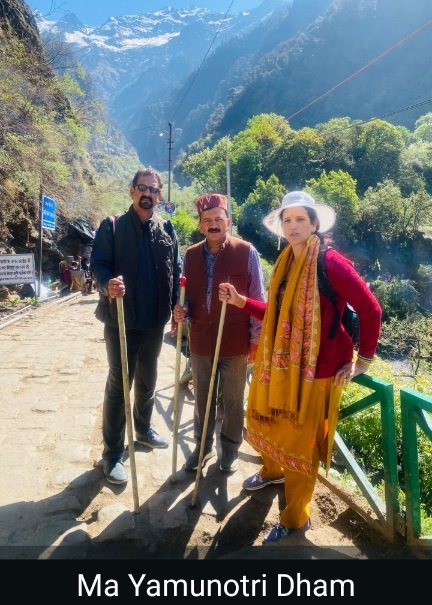
Sanitation remains another major concern. During the six-kilometre trek to Yamunotri, I found almost no public toilets.
The one facility I came across was poorly maintained and emitted a foul smell. Pilgrims deserve better basic amenities, especially on heavily used pilgrimage routes.
The Yamunotri track also highlighted serious crowd management issues. Pilgrims, horses, mules and palanquins were all using the same narrow pathway.
At several congested stretches, I did not see any police personnel regulating movement. Given the volume of pilgrims, this can become a safety issue.
At Yamunotri, I noticed large quantities of discarded chunis and religious offerings lying near the river.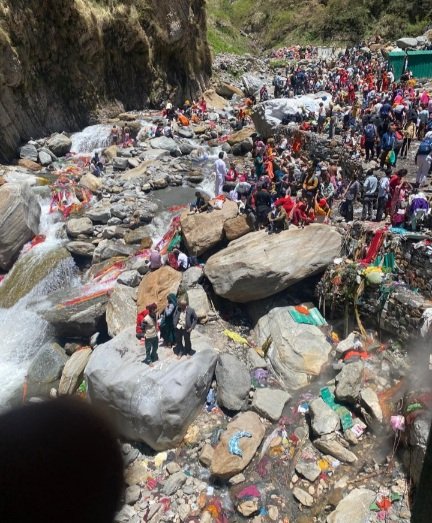
These offerings are made with devotion, but without proper disposal systems they end up polluting the very rivers considered sacred.
The administration must ensure regular cleaning and awareness campaigns.
Among the highlights of my journey was the breathtaking Harsheel Valley. The region remains one of the most beautiful parts of the Char Dham circuit and is emerging as a tourism hub.
However, its ecology is extremely fragile and requires immediate protection. Development should not come at the cost of environmental degradation.
Long waiting times for darshan were another recurring complaint among pilgrims.
At both Kedarnath and Badrinath, I witnessed queues stretching for several kilometres.
Many devotees waited for hours to enter the temples. Such crowds need better regulation through advance scheduling and staggered entry systems beginning from Haridwar and Rishikesh itself.
Many pilgrims I interacted with were unhappy about the growing culture of paid special darshan and special puja passes.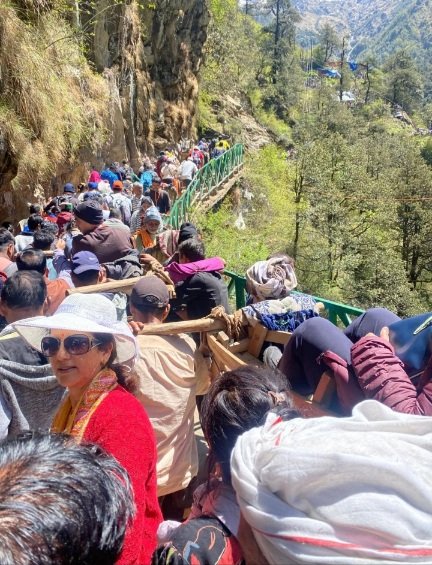
There is a perception that those willing to pay receive quicker access while ordinary devotees continue to wait. Faith should unite people, not create different categories of worshippers.
Interestingly, several local residents told me that the best time to undertake the Char Dham Yatra is after the monsoon season.
According to them, September and October offer better weather, smaller crowds and a more peaceful pilgrimage experience.
Despite all these concerns, my faith remains strengthened by the journey. The snow-clad peaks, sacred rivers and ancient temples create an experience that is difficult to describe in words.
Yet, I returned convinced that the Char Dham Yatra needs better traffic management, stronger environmental safeguards, improved sanitation and more effective crowd regulation.
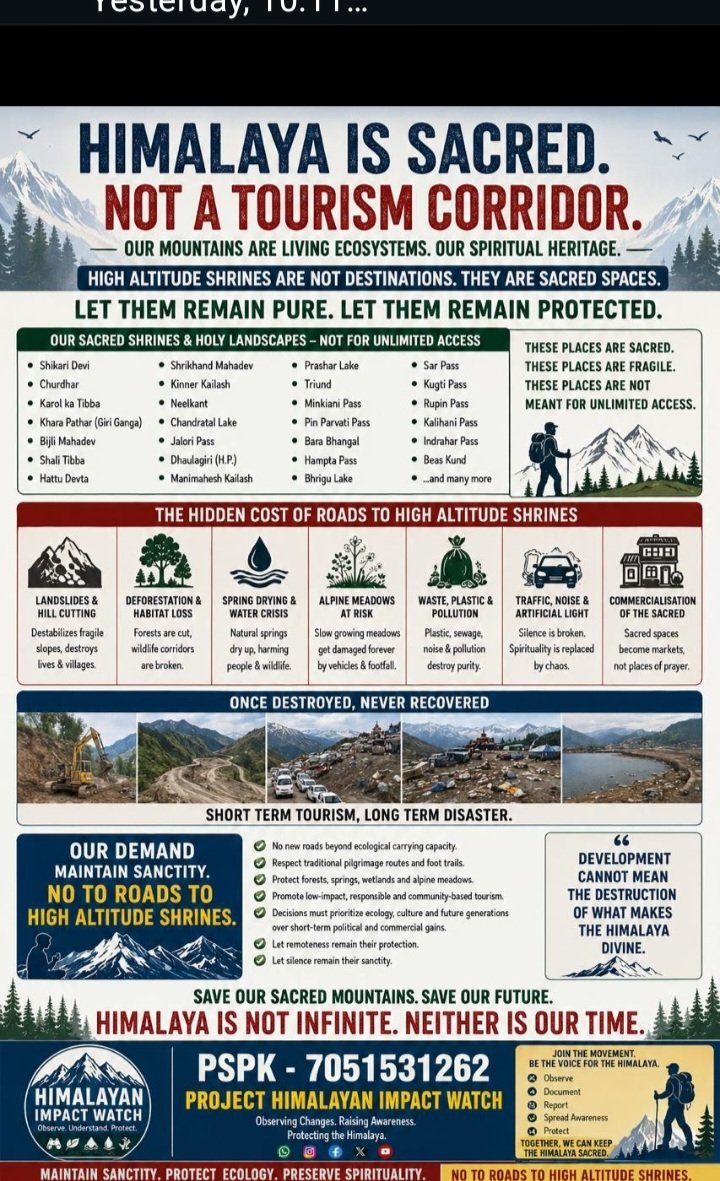
The Himalayas are not merely a tourist destination. They are a sacred and fragile ecosystem.
If we fail to protect them today, future generations may inherit a pilgrimage that has lost much of its natural beauty and spiritual tranquillity.
The Char Dham Yatra remains a journey every devotee should undertake at least once. But it is also a reminder that faith and conservation must go hand in hand.