
Himachal Reels Under Relentless Rains: CPIM Slams Govt Inaction, Demands National Disaster Status, Apple rotting as roads remain blocked...
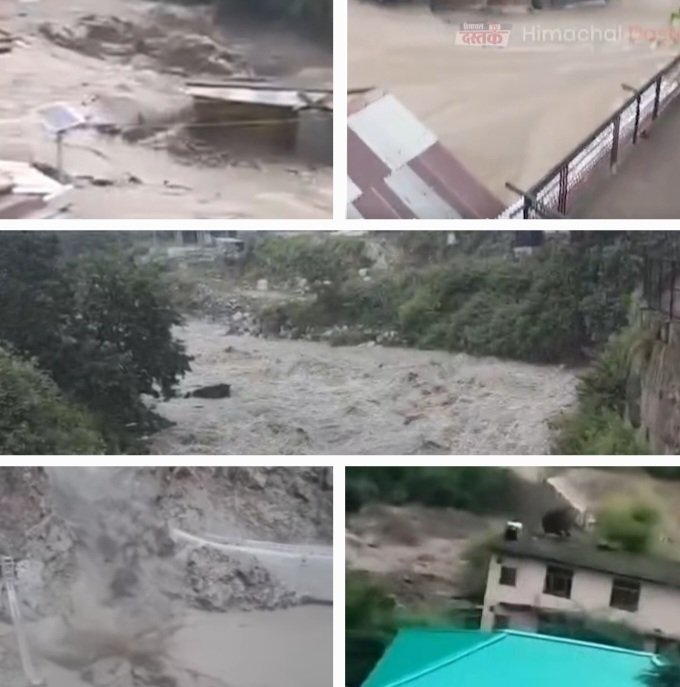
Shimla, August 17 — For the third monsoon in a row since the Sukhu government took charge, Himachal Pradesh is once again battered by cloudbursts, flash floods, and landslides, exposing the fragile governance and weak disaster-preparedness of the hill state.
The Communist Party of India (Marxist) has sounded the alarm, expressing serious concern over the scale of devastation caused by the ongoing spell of heavy rains.
According to government estimates, 261 lives have already been lost, 38 people remain missing, and damages worth ₹2,144 crore have been recorded.
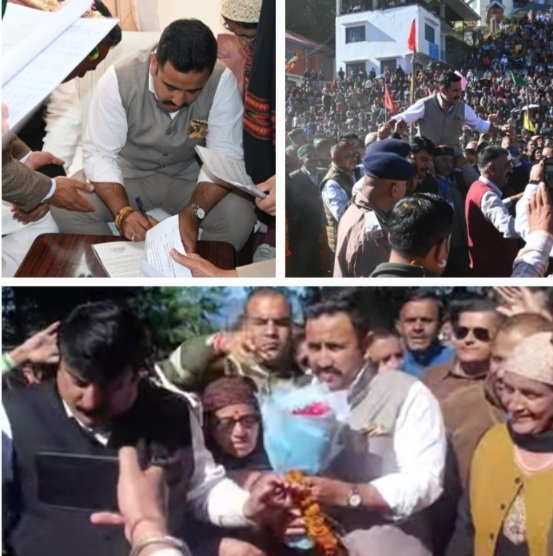
Nearly 2,385 houses have been affected, with 566 completely destroyed, alongside 360 shops and 2,174 cattle sheds, states SanjayChauhan, statesecretary CPIM.
The state has also lost 1,626 cattle and over 25,755 poultry birds, while essential services such as roads, power supply, and drinking water systems remain crippled.
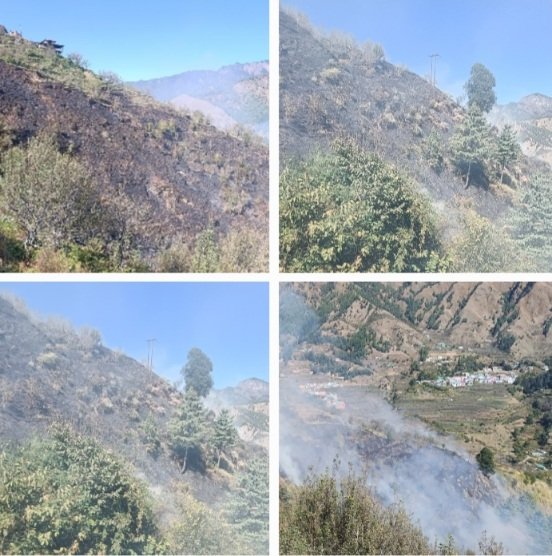
The brunt of destruction has fallen on Mandi, Kullu, Shimla, Kangra, Sirmaur, Una, and Chamba districts, where homes, orchards, and roads have been washed away.
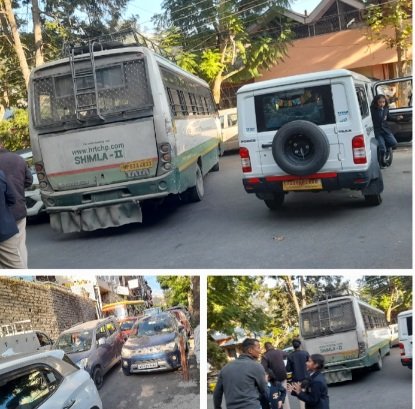
Apple farmers, already in distress, now face the prospect of their produce rotting as blocked highways and broken roads cut them off from markets.
“The farmer who survives the rains is being buried under debt,” a CPIM leader remarked, demanding urgent relief.
While Chief Minister Sukhvinder Singh Sukhu’s government insists that relief is underway, the Left party has accused it of being unable to mount an effective response, pointing to the crippling staff shortage in almost every department due to a freeze on recruitments.
In many villages, the administration has not even reached, and relief supplies remain blocked, leaving families without food, medicines, or access to emergency health services.
CPIM’s Demands
In its statement, the CPIM state committee has demanded:
The Centre immediately declare the situation a “National Disaster” and release at least ₹3,000 crore in emergency relief.
A scientific long-term policy on climate change–induced disasters to prevent repeated large-scale damage.
The state government convene an all-party meeting to chalk out a coordinated relief strategy.
A Task Force under the Chief Secretary to oversee all departments in relief and restoration work.
Immediate compensation to families of the deceased, provision of shelter or rented housing for the homeless at government expense, and restoration of roads, power, and water supply on a war footing.
Procurement of apples and other crops directly from farmers in worst-hit areas to prevent total losses.
A Pattern of Neglect
This is the third consecutive monsoon disaster since the Sukhu government came to power, and questions are now being raised about why Himachal remains so unprepared.
Despite warnings from scientists and the visible impact of climate change, little investment has gone into disaster-resilient infrastructure, early warning systems, or climate adaptation strategies.
“The scale of tragedy is worsening each year, but the government response remains routine and inadequate,” said Sanjay Chauhan, stressing that the state must stop treating disasters as annual events and instead build structural resilience.
As rains continue to lash the state, national highways remain blocked, rural hamlets are cut off, and basic services are paralyzed.
The people of Himachal — reeling under the triple blow of climate change, economic loss, and governance gaps — wait for urgent relief and long-term answers.