The article communicates the conflict between spiritual tradition and modern-day exploitation of sacred spaces and suggests some doable corrections for the authorities.
SHIMLA:
Since ancient times, Bharat (India) has followed a way of life deeply aligned with nature.
The spiritual path of Sanatan Dharma, rooted in the world’s oldest scriptures, grants individuals the freedom to pursue inner awakening in harmony with the environment.
Every element of existence is considered conscious and interconnected—vital to the coexistence of all forms of life.
India’s geography is as diverse as its culture, with sacred spiritual centers scattered across remote and often inaccessible terrains.
For centuries, pilgrims have journeyed to these power centers, guided by scriptures and gurus, embracing the hardships of travel as part of their spiritual discipline.
But in recent decades, the rush for modernization and unchecked infrastructure development has radically altered this sacred landscape.
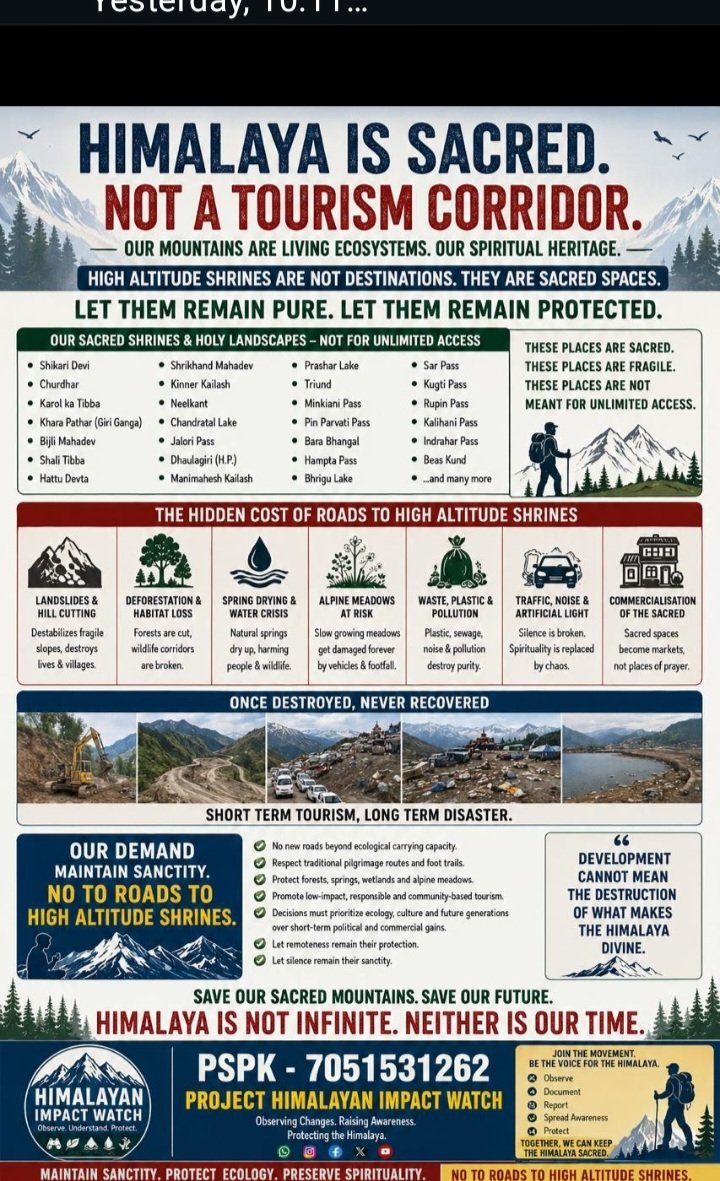
Roads, cable cars, and communication networks have been carved into ecologically sensitive high-altitude regions, particularly the fragile Himalayas.
While these developments have made pilgrimage sites more accessible, they’ve also triggered an alarming surge in mass tourism, with lakhs of visitors now thronging these once-secluded sanctuaries every year.
The Dangers of Unplanned Development
The consequences of this unregulated expansion are dire:
Environmental Degradation: Large-scale deforestation, slope destabilization, and habitat destruction due to road building and cable car construction are irreversibly damaging high-altitude ecosystems.
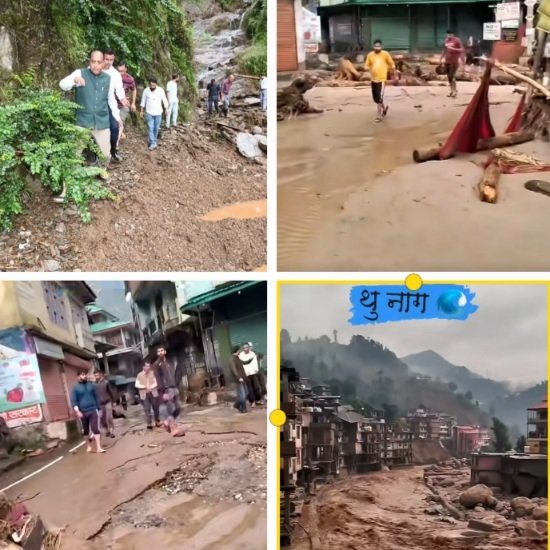
Increased Disaster Risk: The Himalayas are geologically young and extremely sensitive. Unplanned development has heightened the risk of landslides, flash floods, and other natural disasters. Many pilgrims and locals have lost their lives in recent years.
Loss of Spiritual Sanctity: Overcrowding and commercialization are diluting the serene, transformative atmosphere of these spiritual centers, reducing once-sacred journeys into mere tourist outings.
Climate Change Acceleration: Rampant human activity and heavy infrastructure in these ecologically sensitive zones are contributing to glacier melt, erratic weather, and long-term ecological imbalance.
Recent Disasters and Chaos at Spiritual Centres
The past decade has witnessed a series of devastating natural disasters and chaotic incidents at major high-altitude pilgrimage sites, underscoring the urgent need for a course correction:
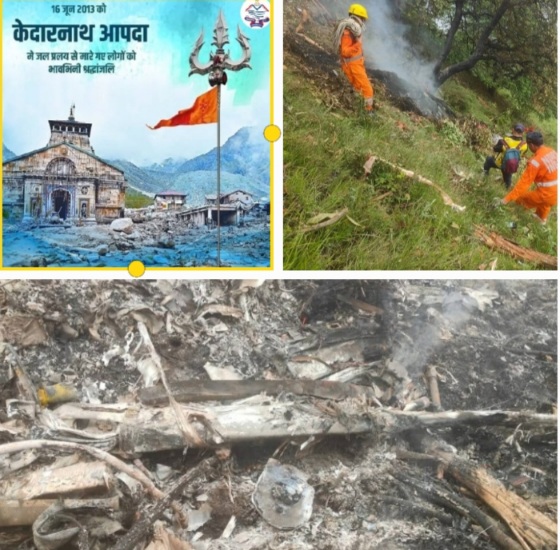
Kedarnath (Uttarakhand, 2013): One of the deadliest disasters in Indian history, the June 2013 floods—triggered by extreme rainfall, deforestation, and unplanned construction—killed over 5,000 people and devastated entire villages.
Amarnath Yatra (Jammu & Kashmir, 2022): A sudden cloudburst near the Amarnath cave shrine in July 2022 caused flash floods, killing at least 16 and leaving many missing. Inadequate disaster preparedness and overcrowding worsened the crisis.
Shrikhand Mahadev (Himachal Pradesh, 2018 & 2023): This challenging trek has witnessed multiple incidents of landslides and extreme weather.
In both 2018 and 2023, pilgrims were stranded and lives lost due to heavy rains and disturbed terrain.
Manimahesh Yatra (Himachal Pradesh, 2014 & 2023): In 2014, heavy rains triggered landslides that blocked routes. In 2023, overcrowding and poor crowd control led to injuries and chaos, requiring emergency evacuations.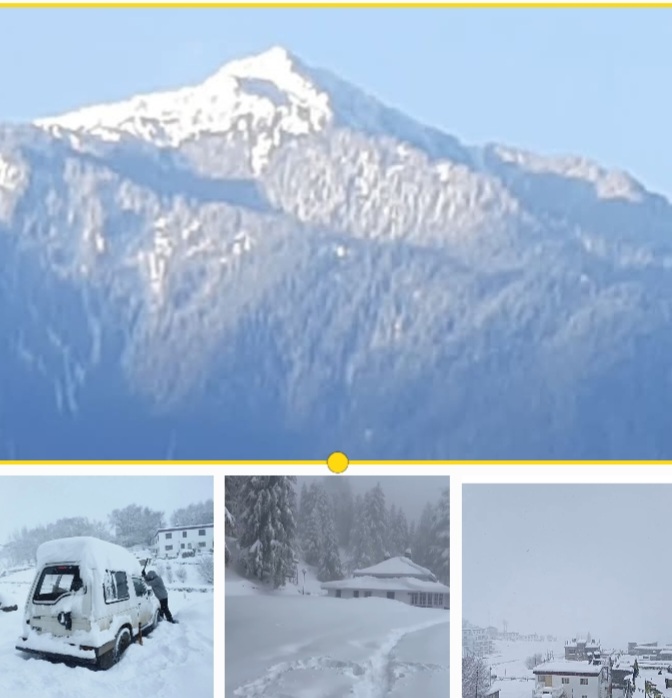
Other Centres: Hemkund Sahib, Yamunotri, and Gangotri have faced repeated landslides, flash floods, and even stampedes, putting thousands at risk.
These are not isolated incidents—they are warnings. We are dangerously exceeding the ecological limits of these spiritually significant regions.
A Call for Urgent Action
It is imperative we recognize the dangers posed by unchecked development in our spiritual heartlands. Immediate steps must be taken to prevent further damage:
1. Moratorium on New Construction: No new roads, cable car projects, or communication infrastructure should be allowed in high-altitude pilgrimage zones.
Existing infrastructure must be regulated and scaled down where possible.
2. Strict Control on Pilgrim Numbers: Introduce a permit-based cap on annual pilgrim traffic, ensuring it aligns with the region’s ecological carrying capacity.
3. Restoration and Conservation: Restore damaged ecosystems and conserve remaining biodiversity. Involve local communities—who’ve traditionally lived in harmony with nature—in leading these efforts.
4. Promotion of Sustainable Pilgrimage: Return pilgrimage to its roots—as a personal spiritual journey of humility and self-discipline, not a mass event driven by convenience and commercialization.
Protecting the Himalayas—Our Sacred Duty
The Himalayas are not just mountains. They are the spiritual backbone of our civilization and the source of life for millions.
If we continue on this path of exploitation, we risk losing both our natural heritage and the spiritual essence that defines our culture.
Let us honor the wisdom of our ancestors by safeguarding these sacred spaces for future generations. The time to act is now.
#SaveTheHimalayas #SustainablePilgrimage #SpiritualSanctity #EcoSensitiveZones