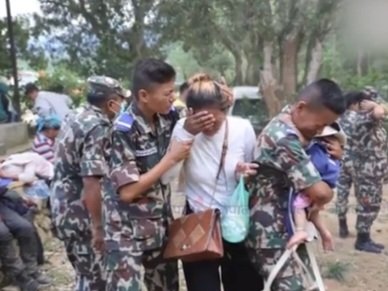
Kathmandu: The human toll of Nepal’s catastrophic flash floods is becoming clearer as hundreds of foreign tourists and pilgrims remain unaccounted for in one of the worst disasters to strike the Himalayan region.
Nepal’s tourism authorities initially reported 517 foreign nationals among those missing, with travellers from more than 30 countries affected by the disaster. Indians constituted the largest group, with 178 reported missing, followed by 65 Americans, 53 Ukrainians, 51 Malaysians, 35 Australians and 33 Britons, according to preliminary records from the Nepal Tourism Board.
The figures remain provisional, as the lists were compiled from travel agencies and other initial reports. Authorities are continuing to verify the names as communication links are restored and survivors are located.
The disaster struck the Bhotekoshi and Trishuli river corridors after a massive glacial collapse and debris flow near the Nepal-China border. The torrent swept through settlements and infrastructure, severely damaging roads, bridges, power projects and communications networks.
Overall casualty figures have continued to rise. Reuters reported on Saturday that the disaster had killed at least 626 people in Nepal and seven in Tibet, while nearly 3,000 people remained missing, including approximately 540 foreign nationals in the latest assessment.
The disaster has created a significant consular challenge for governments whose citizens were travelling through the affected region.
Families are urgently seeking information as authorities recover bodies and work to establish identities. Nepal Police has said photographs of unidentified bodies are being displayed to assist relatives, while records from several affected districts are also being uploaded for identification purposes.
The scale of the destruction has made the identification process particularly difficult. Bodies have been recovered from multiple locations after being carried downstream through vast quantities of mud, debris and boulders.
Nepal has also faced international pressure to accept foreign technical assistance. After initially declining foreign search-and-rescue teams, Kathmandu subsequently agreed to limited international support in areas including tunnel rescue, DNA testing and forensic examination.
The missing foreign tourists have become one of the most prominent international dimensions of the catastrophe. Behind every name on the list, however, is a family awaiting confirmation of whether their loved one survived.