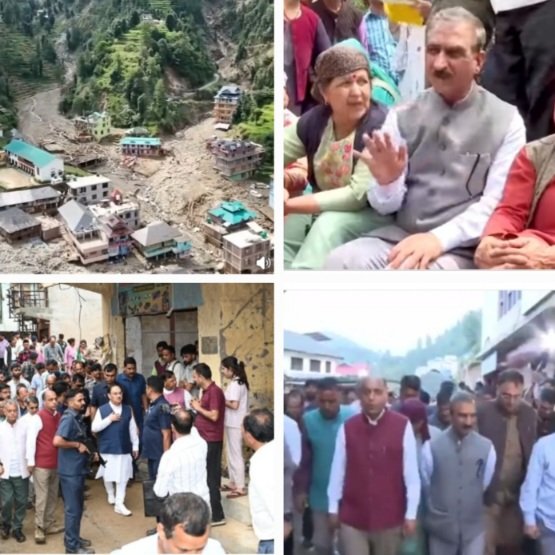
THUNAG (MANDI), July 9 – Seraj valley, battered by 235 mm of torrential rain in a single night on June 30, has become both the epicentre of Himachal's worst monsoon disaster this year and a political flashpoint.
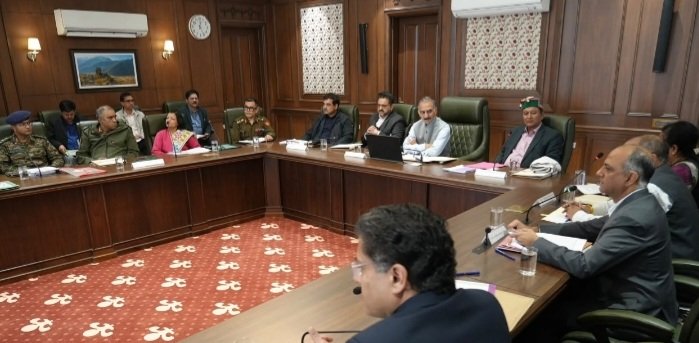
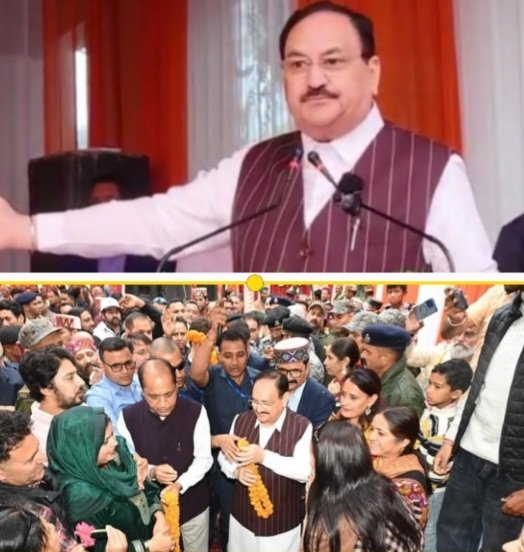
Chief Minister Sukhvinder Singh Sukhu, BJP Chief and Union Health minister JP Nadda, and Leader of Opposition Jai Ram Thakur jointly visited the devastated Thunag and Bagsiad areas, promising help.
But as flood-hit families mourn their dead and search for their missing, the real questions raised by this tragedy remain unanswered.
At least 15 lives were lost, 27 people are still missing, and over 1,100 homes and 700 cow sheds have been damaged or swept away.
Entire hamlets like Thunadi, Lambathach, Jarol, and Kuthah lie in ruins. Yet, this is not only just a natural disaster—it’s a man-made catastrophe worsened by years of systemic negligence.
Why Were Homes Built in Streambeds?
As visuals of collapsed homes and debris-strewn markets emerged from Seraj, locals and experts alike questioned how constructions were permitted right at the confluences of khads and streams—especially in Thunag and Janjehli, where the damage was most severe.
These flood-prone zones had been red-flagged earlier, yet no zoning regulations were enforced.
"This disaster was waiting to happen. What failed wasn’t just the system, but the will to act in time," said a local sarpanch, unwilling to be named.
‘Forest Land’ Assurance, But Where?
CM Sukhu assured land for those who lost everything, saying proposals would be sent to the Centre for permission to rehabilitate victims on forest land.
But he remained vague on whether this would be land-for-land compensation or just a temporary arrangement.
With 68% of Himachal under forest cover, bureaucratic red tape and Centre’s nod will decide whether the displaced get a safe roof before winter sets in.
“We will leave no stone unturned,” the CM said, while urging BJP MPs to help fast-track permissions from Delhi.
Jai Ram’s Jolt: ‘Not a Normal Disaster’
Jai Ram Thakur, who has been on ground since July 1, made an emotional pitch.
“This is not a normal disaster. The state must allocate a separate budget, not just token amounts,” he said.
He estimated the damage to be over Rs 500 crore, urging urgent road and water scheme restoration, and demanded permanent structures and community kitchens in relief zones before winter.
He also hinted at delay in road clearance, saying the PWD could’ve restored main routes within days if properly mobilized.
“Let’s not waste time on counting JCBs, but focus on actual work,” he said, subtly targeting the CM's narrative.
Relief Camps Full, But Future Unclear
CM Sukhu visited the Bagsiad relief camp, shared lunch with affected families, and praised the district administration for their response.
Over 3,000 ration kits, 4,000 tarpaulins, and 17 relief camps are in operation. Yet, the displaced people remain anxious—their lands are gone, many homes are unsafe, and rebuilding seems like a distant dream.
“How long will we live in tarpaulin tents? Where will we go once winter comes?” asked a flood survivor in Janjheli.
Helicopters, JCBs, and Political Optics
The CM highlighted that IAF helicopters were used to drop supplies in Rain Galu, and nearly 50 JCBs and machines were engaged to open roads.
But locals point out that access to many remote villages remains cut off even 10 days later.
Meanwhile, the presence of BJP national president JP Nadda in the affected area has added fuel to the political spotlight, with both Congress and BJP leaders trying to project their concern.
But as political drama intensifies, the root questions raised by HimbuMail remain unresolved:
-
Who allowed construction on vulnerable land?
-
Will there be accountability for such zoning failures?
-
How will forest clearances be expedited for rebuilding?
-
Will the affected get permanent land titles, or will they be labelled encroachers a few years later?
While Seraj mourns, Shimla and Delhi must act—not just with words or political visits, but with clear, time-bound funded policies not announcements.
The floods may have been triggered by extreme rainfall, but the scale of destruction reflects a collective administrative failure.
The people of Seraj don’t need photo-ops. They need answers, land, homes—and justice.