HIMALAYANWATCH Findings Highten Debate on Himbumail and Ground For Action
Shimla: The silent assault on Shimla’s fragile mountain ecology has finally hit a tipping point, with prominent voices from the judiciary, environmental watchdogs, scientists, and civil society coming together to demand urgent intervention.
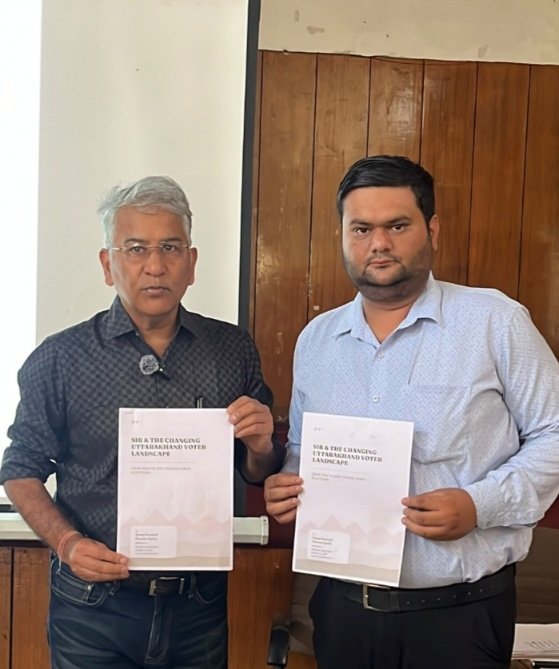
Triggered by the Himbumail and HimalayanWatch, headed by Maj Gen Atul Kaushik initiative, the spotlight is now firmly on the fast-degrading Jakhu–Kufri–Chail ridgeline—once the ecological spine of the hill capital, now buckling under unchecked construction and political apathy.
Voicing strong concern, Prempal Ranta, former district and sessions judge termed the environment a “common heritage” and called for strict enforcement of laws under the Air, Water, and Environment Protection Acts.
He stressed that regulatory bodies like the Pollution Control Board must act decisively, holding violators—especially builders—accountable under the “Polluter Pays Principle” to compensate for ecological loss.
He also pointed to constitutional remedies and the role of local bodies in addressing the crisis.
Environmental concerns are no longer abstract ideas but a pressing reality, and Prem Pal Ranta put it bluntly, saying, “Living in harmony with nature by 2050 is not rhetoric anymore—it is a roadmap backed by measurable action. Development cannot come at the cost of environmental degradation, depletion of natural resources, and loss of biodiversity.”
Invoking global environmental principles, Ranta added, “The Stockholm Declaration clearly states that man is part of nature and his life depends on it, while the Rio Declaration calls for a balance between development and ecology.”
Calling for restraint and responsibility, he stressed, “Human progress cannot be stopped, but it must be controlled within the limits of the biosphere.”
He also underlined the need for public participation, saying, “Initiatives like Mission LiFE (Lifestyle for Environment) must be strengthened by mobilising people and driving behavioural change towards the environment.”
Echoing the alarm, MGNREGA Ombudsman DK Manta flagged findings of the Himalayan Impact Watch study as deeply worrying.
He underlined the urgent need to halt reckless multi-storey construction across the Kufri–Chail corridor, particularly in deodar forest zones, warning that continued violations would irreversibly damage biodiversity and accelerate climate risks.
Despite Chief Minister Sukhvinder Singh Sukhu’s stated commitment to increasing forest cover, stakeholders say ground realities tell a different story.
Environmental degradation, they argue, is no longer abstract—it is visible in the rising frequency of landslides, flash floods, and drying water sources.
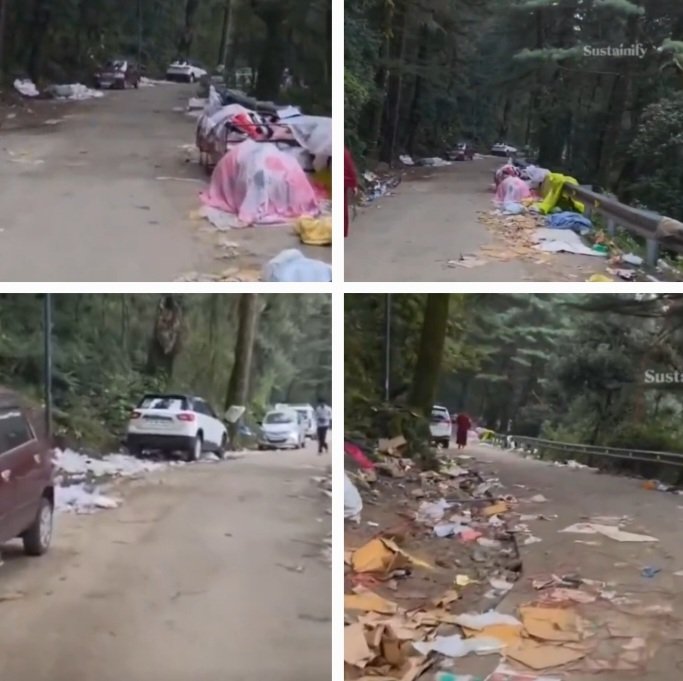
Rampant tree felling, politically-driven road cutting using JCB machines, and illegal constructions have hollowed out the mountains.
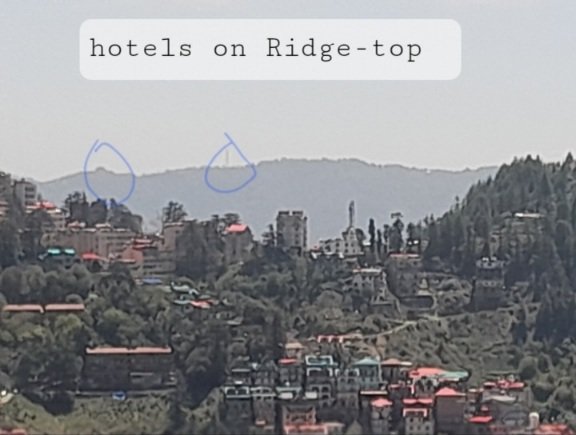
The ease of access to power chainsaws in rural households has further worsened illegal logging, while unregulated hotel expansion has pushed the ecosystem beyond its limits.
Citing glaring violations, experts pointed to the Kalitibba Temple road in the Chail Wildlife Sanctuary as a case in point—constructed without clearances, slicing through protected forest land. “This is not development; it’s ecological vandalism,” remarked a senior environmentalist.
Dr. M.P. Sood, President of IMI Chapter HPSDF, stressed that this sensitive eco-zone—protected since British times for its pristine water sources—has been recklessly compromised.
He called for strict scrutiny before granting any further permissions and demanded penalties for violators. Scientists from HIMCOS have gone a step further, recommending a complete halt on all construction—government or private—for at least three years to allow ecological recovery.
Their recommendations are blunt: stop land transfers, scrap unnecessary satellite townships like Jathia Devi, enforce water-use regulations in construction, and bring in research-backed conservation practices.
They also urged the government to make strong environmental decisions in every cabinet meeting, instead of treating ecology as an afterthought.
Former Shimla Municipal Councillor Dr. Kimmi Sood didn’t mince words either, lamenting society’s moral collapse in the face of environmental destruction. “In this rat race, we’ve all become complicit. The day isn’t far when regret will come too late,” she warned.
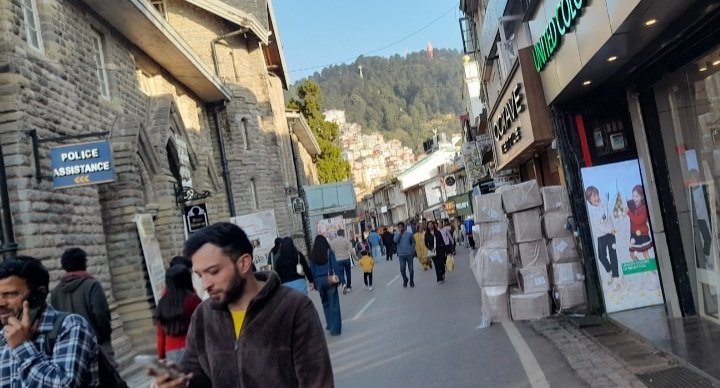
Tourism stakeholders, too, are raising red flags. MK Seth, President of SHRSA, pointed out that the “carrying capacity” of Shimla and its surrounding tourist belts has never been scientifically assessed.
“Unplanned expansion—whether for tourism or housing—without ecological limits is a recipe for disaster,” he said, urging the government to map and enforce carrying capacity norms before any further development.
As Shimla stares at an uncertain ecological future, the message from its stakeholders is loud and clear: stop the damage now, or prepare to pay a far heavier price later.