SHIMLA: The issue confronting Himachal Pradesh today goes far beyond tourism.
What is unfolding across the state's mountain towns is the gradual transformation of a Himalayan society into a marketplace where commercial interests increasingly dictate how people live, celebrate, travel and even interact with nature.
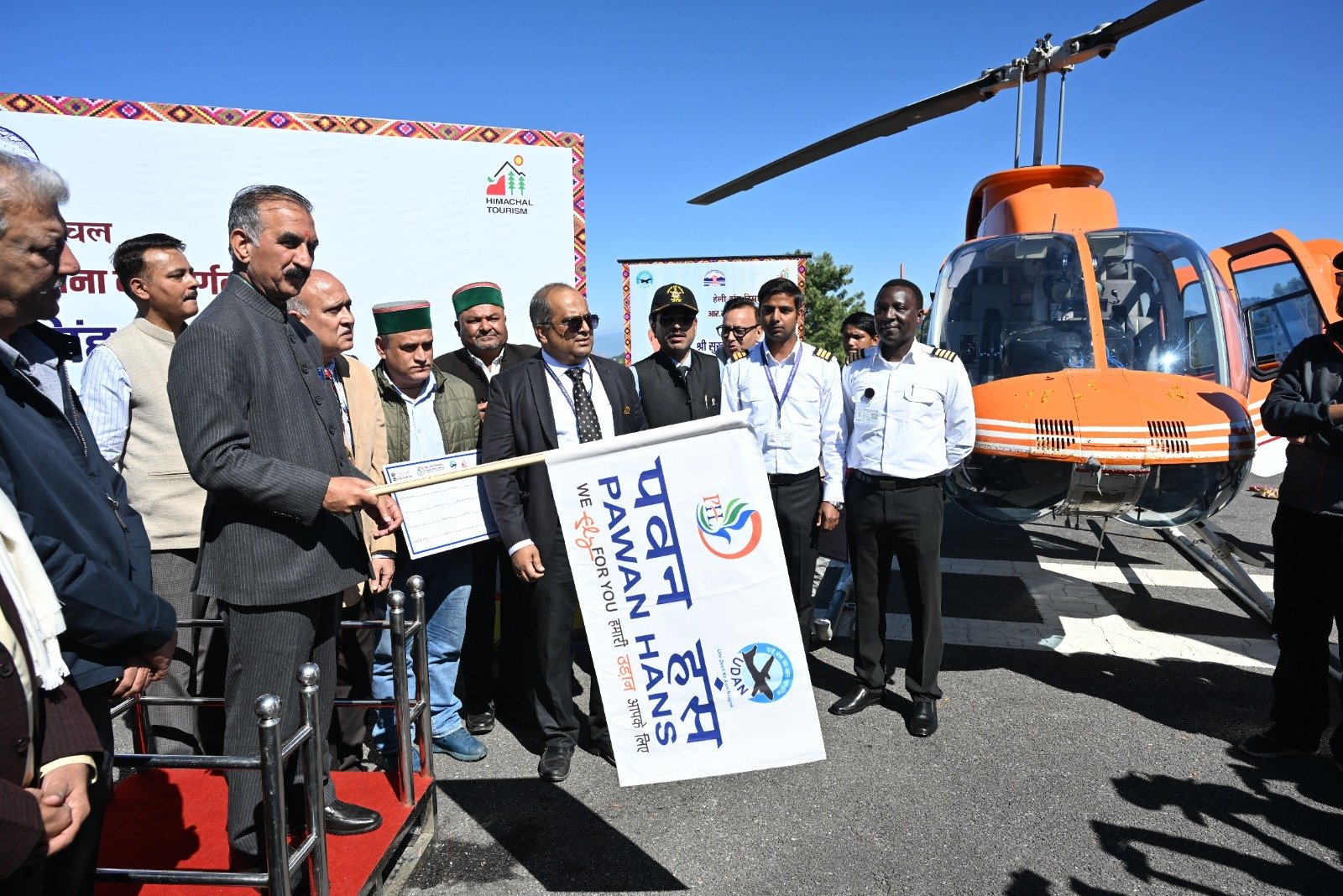
Under the appealing banners of "tourism promotion", "economic growth", "summer festivals" and "destination development", a powerful culture of commercialization is steadily reshaping towns such as Shimla, Manali, Kasol and Dharamshala.
What was once a landscape defined by silence, spirituality, forests, walking trails and community life is increasingly being converted into a seasonal entertainment economy driven by consumption and profit.
The change is visible on the ground.
In many residential areas, hotels, cafes and commercial establishments routinely play loud music late into the night, disturbing students preparing for examinations, elderly residents, working families and local communities.
While regulations governing noise pollution exist, residents frequently complain that enforcement remains weak and inconsistent.
A growing public perception has emerged that influential tourism operators, commercial interests, sections of the administration and political structures often function within a system of mutual convenience where economic activity takes precedence over public welfare.
The result is that rules remain on paper while violations become normalized.
The impact extends beyond noise pollution.
Public infrastructure originally meant for local residents increasingly appears to serve commercial tourism.
Parking spaces are often occupied by tourist vehicles, while residents struggle to find space in their own towns.
Open grounds and public spaces that once hosted community gatherings, sports activities and children's recreation are steadily shrinking under pressure from commercial construction, temporary stalls, parking facilities and expanding market infrastructure.
At the heart of the issue lies a deeper social transformation. Everything is gradually becoming a commodity.
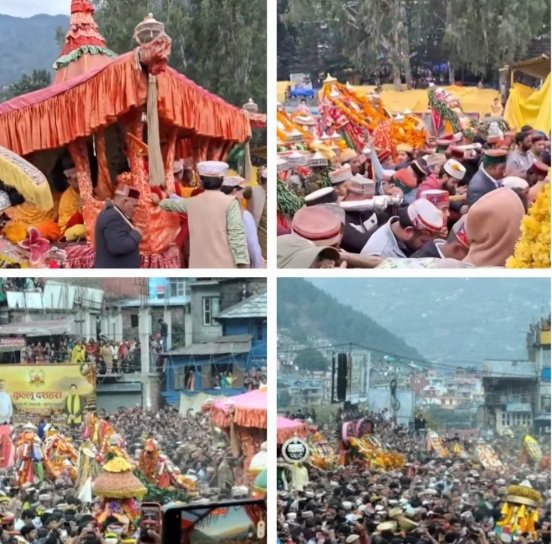
Mountains are marketed. Culture is packaged. Festivals are branded. Trekking routes are monetized. Public spaces are commercialized. Even spirituality is increasingly being transformed into a tourism product.
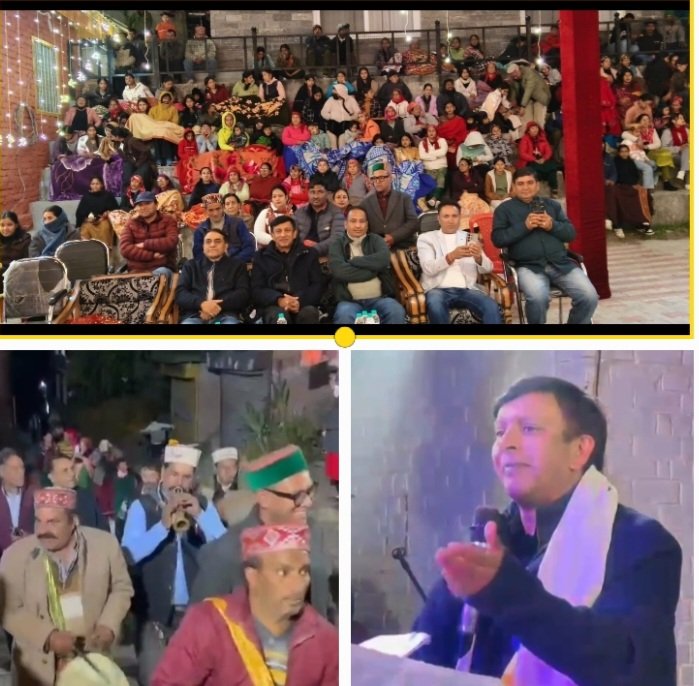
Activities presented as public welfare programmes often reveal a strong commercial underpinning. Marathons, awareness campaigns and public events frequently attract major sponsorships where visibility, branding and consumer outreach become central objectives.
The language may be that of social service, but the operational framework increasingly follows market logic.
Local businesses participate. Outside investors participate. Tourism operators participate. Political structures facilitate. Administrative systems accommodate. The market benefits.
Everyone becomes part of the same cycle.
Meanwhile, Himalayan towns are witnessing the rise of a culture that many residents view as increasingly disconnected from traditional mountain values.
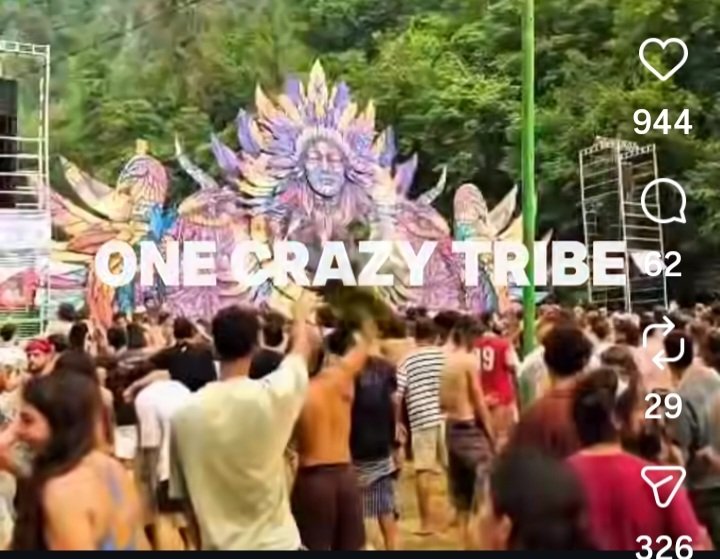
Public intoxication, hookah smoking, loud nightlife, rave-style parties, high-decibel entertainment and late-night celebrations are becoming more visible despite legal restrictions and environmental concerns.
The transformation is particularly evident in trekking destinations.
Activities once associated with simplicity, endurance, silence and communion with nature are increasingly becoming social media spectacles.
Trekking is often showcased through images of drinking sessions, crowded parties, exhibitionism and temporary excitement rather than ecological awareness and respect for fragile mountain ecosystems.
For many local youngsters facing unemployment, limited recreational opportunities and growing social pressures, such experiences naturally appear attractive.
Yet observers warn that beneath the excitement lies a gradual erosion of cultural values and community identity.
A society begins to lose its sensitivity when entertainment becomes louder than reflection and consumption becomes more important than culture.
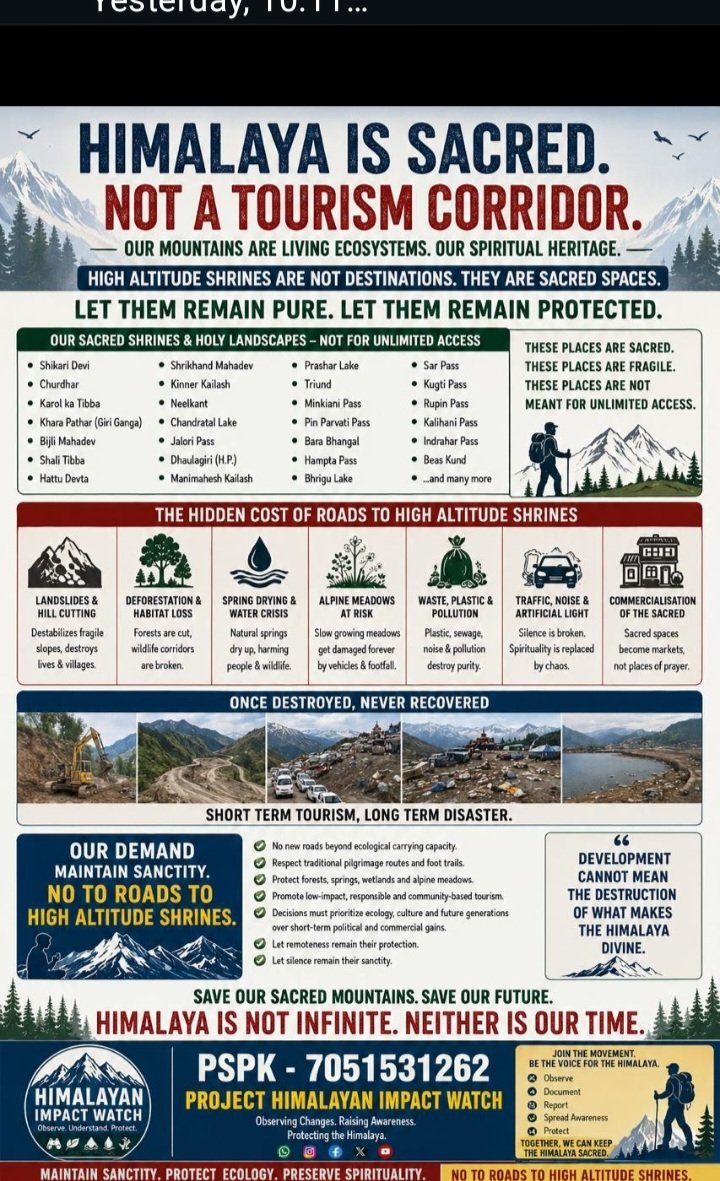
Environmental consequences are already visible. Traffic congestion, waste generation, water scarcity, shrinking green spaces and increasing pressure on fragile ecosystems are becoming common features of many popular tourist destinations.
Yet these developments are frequently celebrated as indicators of progress and development.
Critics argue that no mountain society can sustain itself indefinitely under conditions of unchecked commercialization, ecological degradation, traffic saturation, noise pollution and intoxication-driven tourism.
"The Himalaya is not merely a marketplace; it is an ecological civilization," say environmentalists who have long warned against treating mountain landscapes solely as economic assets.
They argue that tourism remains essential, livelihoods remain important and economic opportunities are necessary for local communities. However, development that prioritizes profit above ecology, culture and social well-being risks undermining the very foundations that make the Himalaya unique.
If forests, festivals, silence, spirituality, public spaces and youth aspirations are all surrendered to market forces, then Himachal Pradesh may eventually lose something far more valuable than revenue—the soul of its mountain civilization.
As the state stands at a crossroads between economic expansion and ecological responsibility, the central question remains: can the Himalaya continue to be a living civilization, or will it become merely another destination for consumption?
The answer may determine the future character of Himachal Pradesh for generations to come.
#HimachalPradesh #HimalayanSociety #SustainableTourism #SaveTheHimalaya #MountainCulture #EnvironmentalJustice